A referral starting point
Discuss a wasp, hornet or yellowjacket nest.
Apartment wasp nest removal in Carrollton, TX needs a scope that accounts for shared outside spaces. A balcony report can involve access to adjoining eaves, a breezeway or an opening in a communal wall. Renters, owners and managers can use this referral line to discuss the situation with an independent provider. Carrollton’s ACS renter-occupancy figure is 41.5%; the provider assesses the actual building rather than drawing conclusions from that statistic.
Discuss a wasp, hornet or yellowjacket nest.
Ask which insect and nest the assessment identifies.
Discuss your address with the receiving business.
Consult TDA’s published current-license lists.
For a shared building, discuss three separate stages: assessment of the reported activity, any work you authorize and a later check if proposed. The provider determines what is included and which items have separate terms. The sections below help renters and managers prepare questions before accepting a proposal.
Ask whether the building assessment includes adjoining balconies, overhangs, stairwells and landscaping as well as the reported unit. If a wall colony is suspected, discuss how its position would be confirmed before work is proposed.
The assessment guides the method for each identified nest. An exposed paper-wasp comb presents different questions from a concealed yellowjacket colony. For a wall void, AgriLife advises leaving the entrance unsealed until elimination; ask how the provider establishes that point.
Removal and disposal are questions to settle separately from treating the colony. Ask what accessible inactive material will be taken away from balconies or soffits, whether height limits the work and whether the agreed charge covers that stage.
A further assessment can review continued entrance traffic or newly reported comb. Ask when that visit is appropriate, whether it is included and what the provider recommends if activity remains. No fixed interval or result is established by this website.
For each building, request dates, nest locations and an account of the assessment and authorized work. Keep return arrangements with those findings. Residents, management and owners can then discuss documented locations rather than differing recollections of the visit.
Share the observed nest location and ask the receiving provider what assessment it proposes.
Apartment wasp nest removal in Carrollton concerns outside nesting activity at rented and shared premises, from duplexes and townhomes to larger buildings. Describe the balcony, eave, stairwell, breezeway, fence or wall opening that prompted the report. An independent provider can identify the insect and agree the areas requiring assessment with management. Its proposal should distinguish active-colony work, removal of accessible inactive material and any later check. A yellowjacket wall entrance should remain unsealed until elimination, as AgriLife advises. Ask for access instructions and verify the business against TDA’s current-license lists before authorizing work.
ACS 2024 figures put 35.9% of Carrollton housing units in buildings with at least two units and 28.6% in buildings with five or more. These figures describe housing, without showing how prevalent wasp nests are. At an individual shared building, a nest above a doorway may sit beside more than one household’s route. Reporting its position to management helps clarify which balcony or communal area needs access. Ask the provider whether adjoining roofline sections belong in the assessment rather than assuming either one balcony or the entire property is affected.
Describe the building and reported nest to the independent provider receiving your call. Useful details include the Carrollton address or ZIP, where insects enter, approximate height and size, and any known sting-allergy concern. Explain who can authorize access to balconies or communal spaces. The provider decides which assessment it can offer and when an appointment is available.
Agree which balcony, overhangs and communal spaces will be assessed, and whether adjoining areas need permission or access arrangements. A distant photograph can show management the reported location. For a suspected concealed colony, ask how the provider confirms it; the number of buildings included also affects the visit arrangements.
Before approving a proposal, ask how nest count, building count and the access requirements affect its amount. A lawn opening and an upper-floor soffit can present different arrangements. Confirm who may authorize work on the shared premises, then obtain the scope and charge in writing; the referral website makes neither decision.
Residents should follow the provider’s notice about remaining indoors, doors, windows and keeping children and pets clear. The identified insect and location guide the work the provider proposes. Ask whether accessible inactive comb will be removed, and leave a yellowjacket wall opening unsealed until elimination has been established under AgriLife guidance.
Agree how the provider will assess continuing activity and whether another visit is included. Ask what would prompt further work rather than assuming all returning insects mean the same thing. Retain the dated findings with the building’s earlier report.
An occupied balcony or elevated position creates access questions as well as proximity to the colony. Ask the provider which protective suit, veil or gloves the assessment calls for and how residents should keep clear.
Thermal imaging is available from some providers for suspected colonies behind walls or ceilings. Ask whether it is useful here and what further evidence would confirm the finding.
Upper-floor soffits can require a different access arrangement from a ground-level comb. Explain the building height and ask whether ladders, a lift or another approach would be proposed.
Ask whether an extension pole is appropriate for the reported balcony ceiling or porch overhang. The provider decides how to reach the nest and which restrictions occupants should follow.
Once inactivity is confirmed, ask whether accessible comb will be detached, bagged and removed. Agree what happens to material beyond reach and whether the spot needs another assessment afterward.
Discuss the proposed product and placement near doors, paths, pools and play spaces. Obtain the provider’s keep-clear instructions before authorizing work.
Residents can record any continued activity from a distance between visits and send the location and observation date to management.
A yellowjacket entrance in landscaping can lie beside a communal path or parking route. Describe the position and keep residents away while seeking assessment. Ask the provider how the affected space will be marked, what work is proposed and when the restrictions can end.
For concealed yellowjackets, AgriLife advises leaving a wall entrance unsealed until elimination, since premature blockage can redirect insects. Ask how the provider identifies the colony, confirms elimination and determines when repair is appropriate. Management should establish who arranges closure and communicates the restrictions.
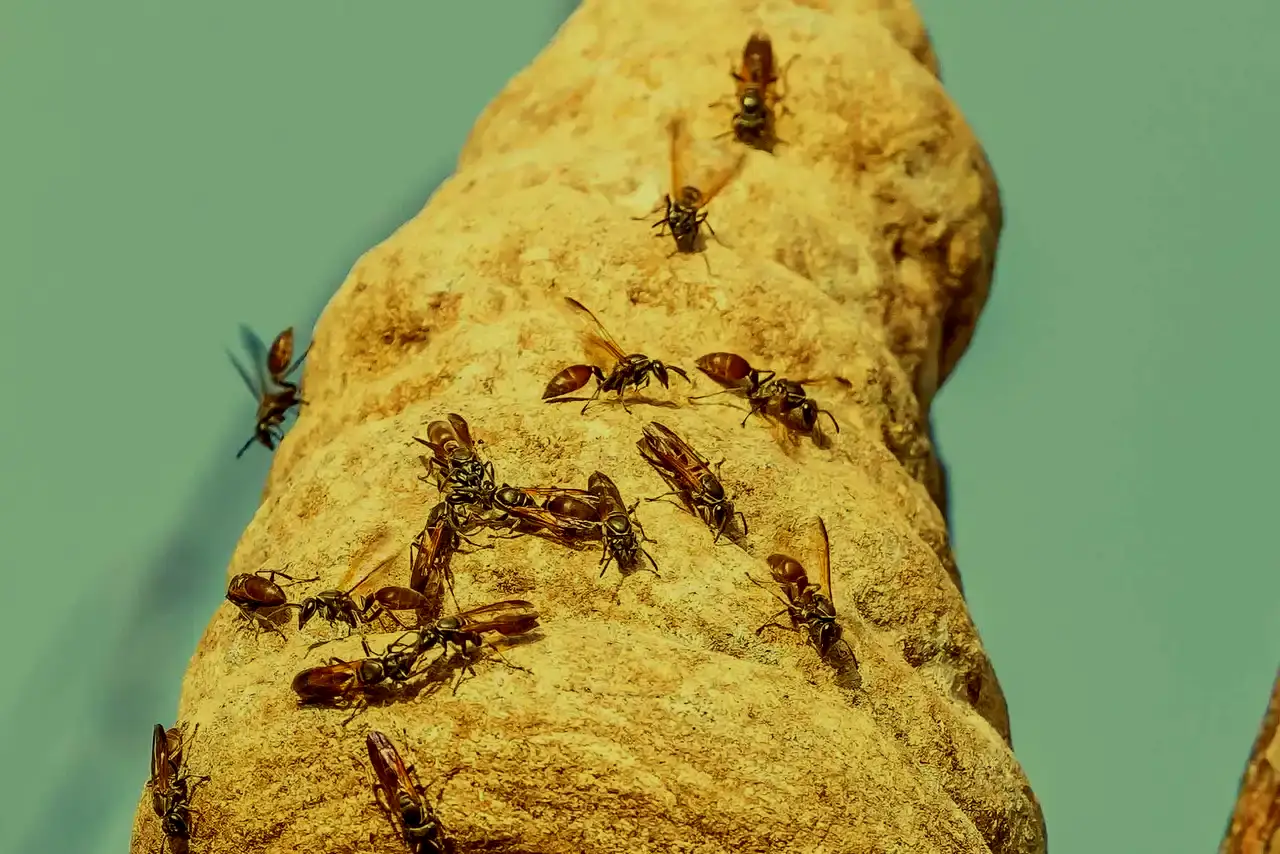
Discuss the reported balcony ceiling, eaves and adjoining overhangs in the assessment scope. Paper-wasp comb can reach six to eight inches across. Ask for identification, proposed colony work and clarification of any accessible inactive-material removal.
Once elimination is confirmed, discuss entrance repair with the provider and manager. Soffits, siding and vents may require access or separately arranged work. Establish who handles the repair and when, rather than sealing a suspected active opening beforehand.
Tell management where the nest is, when activity was observed and whether a distant photograph is available. The manager coordinates balcony access. The provider determines the proposed colony work, accessible inactive-material removal and occupant restrictions. Seek medical help for sting reactions and emergency assistance for severe reactions. Keep the report and findings together, and ask how the proposed timetable will be communicated.
A rental turnover provides a chance to discuss the reported outside areas before new residents arrive. Give the provider the move-in date without assuming it establishes availability or completion. Ask whether adjoining balconies and soffits should be assessed and which findings should be passed to the incoming household. Keep the dated record with the unit’s reports.
Reports from several residents justify discussing an assessment beyond one balcony. Ask which sides of the building, communal routes and planting beds will be included, how the charge is organized and whether another check is proposed. Retain findings by location so management can communicate clearly with residents.
For an association-controlled common area, establish who may approve the assessment and grant access. Ask the provider to identify each nest, explain the proposed work and supply clear instructions for residents using the grounds. Retain the findings for the board and verify the business against TDA’s current-license lists before authorizing work.
Carrollton’s ACS 2024 figures describe 54,365 housing units and 133,740 residents. Renters occupy 41.5% of occupied homes; 35.9% of housing units are in buildings with two or more units, including 28.6% in buildings with five or more. The median construction year is 1988, with 26.0% built before 1980. These are housing facts, not evidence that particular buildings have wasps. For an actual apartment report, the location and available access determine the assessment. A balcony, eave or shared path may require management coordination even if just one household noticed the activity. Tenants can report the position and dates, management can arrange access, and an independent provider can explain identification, work and restrictions. Agree which parts of the building are included, who may approve the proposal and how further observations should be reported. Check the provider using TDA’s current-license lists; this website makes no licensing or permit determination for a property.
Josey Ranch is verified in Carrollton ZIP 75006. For a rented house or small shared building, describe the affected eave or porch and any access restrictions.
Rosemeade is in Carrollton ZIP 75007. Mention the building type, observed nesting location and who can arrange access to any shared outside spaces.
Verified 75010 neighborhoods include Austin Waters, Arbor Creek, Coyote Ridge and Mustang Park. Give the provider the property type and the number of buildings requiring assessment.
Country Place and Carrollton Downs are verified 75006 neighborhoods. Explain whether the nest is within your private yard or on space controlled by management.
For activity above a balcony or doorway, ask whether nearby overhangs belong in the assessment rather than assuming the reported spot is the only nest.
Carrollton renter occupancy is 41.5% under ACS 2024. At a change of tenancy, dated nest findings help incoming residents understand what was assessed.
Paper-wasp queens found colonies in spring; AgriLife places the yellowjacket colony-size peak in August or September. These seasonal facts do not establish local call volume.
Pool fencing, play spaces and planting beds may be included in a shared-site assessment. Agree the boundaries and resident restrictions with the manager and provider.
Illustration: a homeowner in Josey Ranch, 75006 notices fresh paper comb after an earlier nest disturbance and wants the roofline assessed before deciding what to authorize.
The homeowner can ask for insect identification and a plan for the active colony, rather than disturbing the comb again. The independent provider decides any work and later assessment.
Afterward: From a distance, the homeowner can note fresh comb and send dated observations to the provider. Ask which changes merit another assessment and keep the findings together.
Illustration: a property manager in Josey Ranch, 75006 receives a report of insects entering the lawn beside a rental building’s shared fence and needs access and resident notices coordinated.
The manager can ask the provider to identify the colony, explain the proposed work and specify when the shared yard may reopen. Any further check should be agreed directly.
Afterward: Management can pass on the provider’s keep-clear instructions to both households and retain dated findings. New activity should be reported without approaching the opening or disturbing the site.
Illustration: a renter in Rosemeade, 75007 sees paper-wasp activity near a balcony again and reports the location to management for an assessment.
A wider assessment may identify additional nests, but that should be a finding rather than an assumption. Ask the provider which locations were checked, which colonies are active and whether the proposed amount covers them together. Record any later assessment against those same locations.
Afterward: The renter can ask management what was found and when another check is appropriate. During turnover, dated records can help explain the assessment to incoming residents.
Balconies, communal routes and planted areas can place a nest beside more than one household’s everyday path. The following concerns help define questions about assessment, access and communication.
If insects are entering a shared wall, report the outside opening and any indoor observations to management. The provider can assess the colony and identify which areas need access. AgriLife advises leaving a yellowjacket wall entrance unsealed until elimination. Ask who confirms that condition before repair; avoid sealing or treating the wall from either unit yourself.
After an attempted spray, report the activity and what was applied to the provider rather than trying again. The assessment can establish whether the original colony remains active or another nest is involved. AgriLife recommends professional help when safe control is uncertain. Management can coordinate access and obtain instructions for keeping residents clear while any authorized work and later assessment occur.
If an included balcony cannot be accessed, the provider and manager need to resolve that limitation before assuming the assessment covers it. Agree notice arrangements and entry times, and keep a record of areas not yet assessed. Renters report the activity; management coordinates access. The plan should describe the actual permissions and scope rather than infer anyone’s legal obligations.
A common-space nest can affect residents using a pool enclosure, play area, mailbox route or planting bed. Identify the precise location for management and keep clear while seeking advice. Ask who may authorize access and whether the proposed assessment includes adjoining spaces. The provider determines which nests require work and the restrictions residents should follow.
An assessment defines the independent provider’s proposal and amount
The independent provider sets the charge for apartment wasp nest removal in Carrollton, TX. Discuss how many buildings and identified colonies are included, the height and concealment of each site, and the access management can arrange. A proposal for several locations may differ in scope from one balcony assessment; the provider should explain its own amount rather than this website supplying a figure. Obtain the included work in writing, including any removal of accessible inactive nest material and another assessment. Also establish how new activity would be handled before authorizing the proposal.
Compare the scope as well as the amount: adjoining balconies, elevated access, disposal and later checks may have different terms. Clarify the included work before assuming two proposals describe the same job.
Nest count is one question for the provider’s proposal. Ask which colonies were identified and whether the charge covers one reported location or several across the building. If further activity is found during assessment, clarify the change before approving additional work.
An exposed comb and a yellowjacket wall colony need different planning. The concealed colony may require a later inactivity check before the entrance can be repaired. Ask the provider to explain each stage and charge, including any separate access, nest removal or return arrangement.
Ask how colony development affects the proposed work and whether an additional assessment is included. A spring comb and a mature late-summer colony should not be assumed to require identical arrangements.
Explain upper-floor soffits, roof access and confined breezeways before the visit. The provider can decide whether height, equipment or multiple building faces change the proposal or expected duration.
Establish the number and purpose of proposed return assessments before booking. Ask what continuing activity would mean under the provider’s terms, and retain those terms with the written proposal.
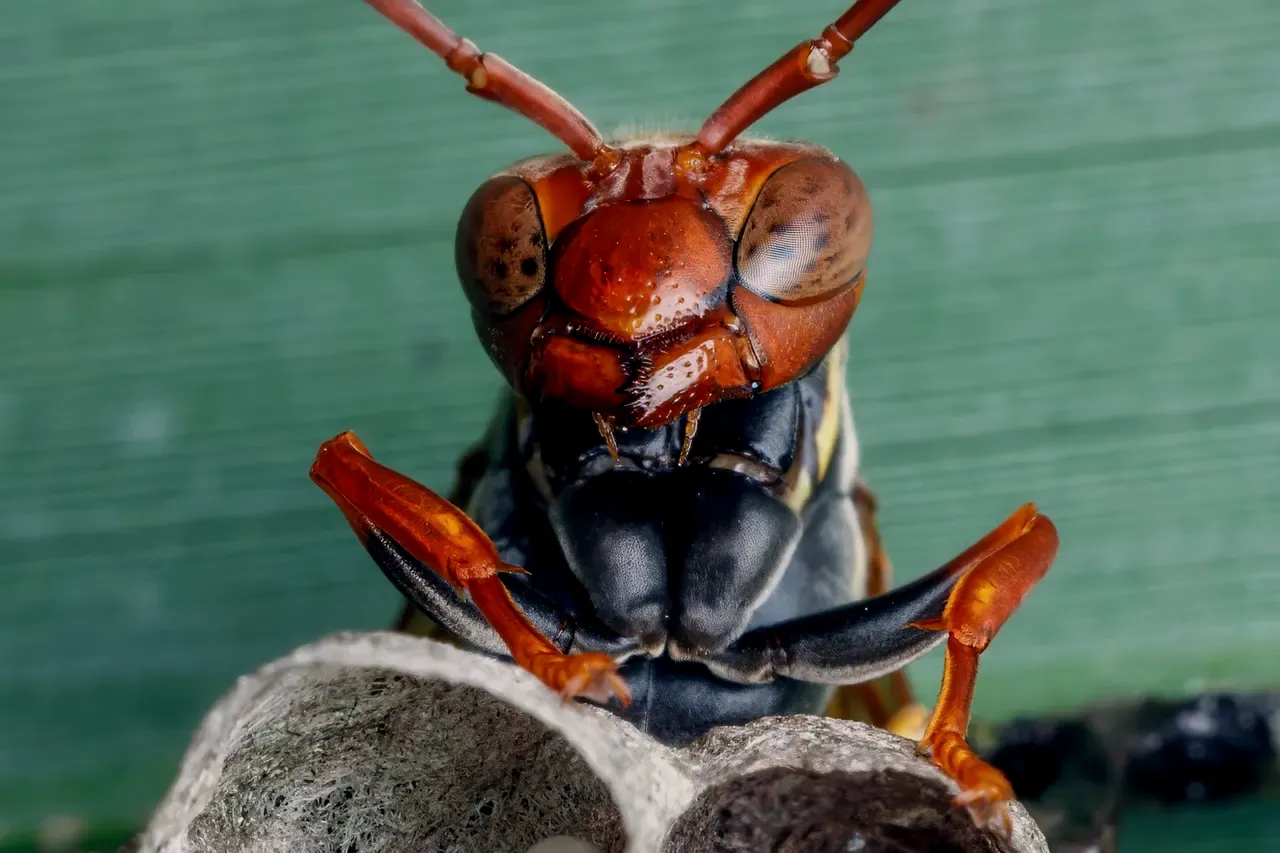
Before hiring for a shared building, obtain the provider’s details and consult TDA Structural Pest Control Service current-license lists for the business and relevant individuals. The site does not establish credentials. AgriLife recommends professionals for established hornet and yellowjacket colonies and advises leaving a yellowjacket wall entrance unsealed until elimination. Coordinate balcony, eave and communal-space access through management, and retain dated findings without making assumptions about legal responsibility. Honeybee work is excluded from this offer; consult the Texas Apiary Inspection Service beekeeper list if identification points to honey bees. Do not spray chemicals into a hive while arranging that separate referral.
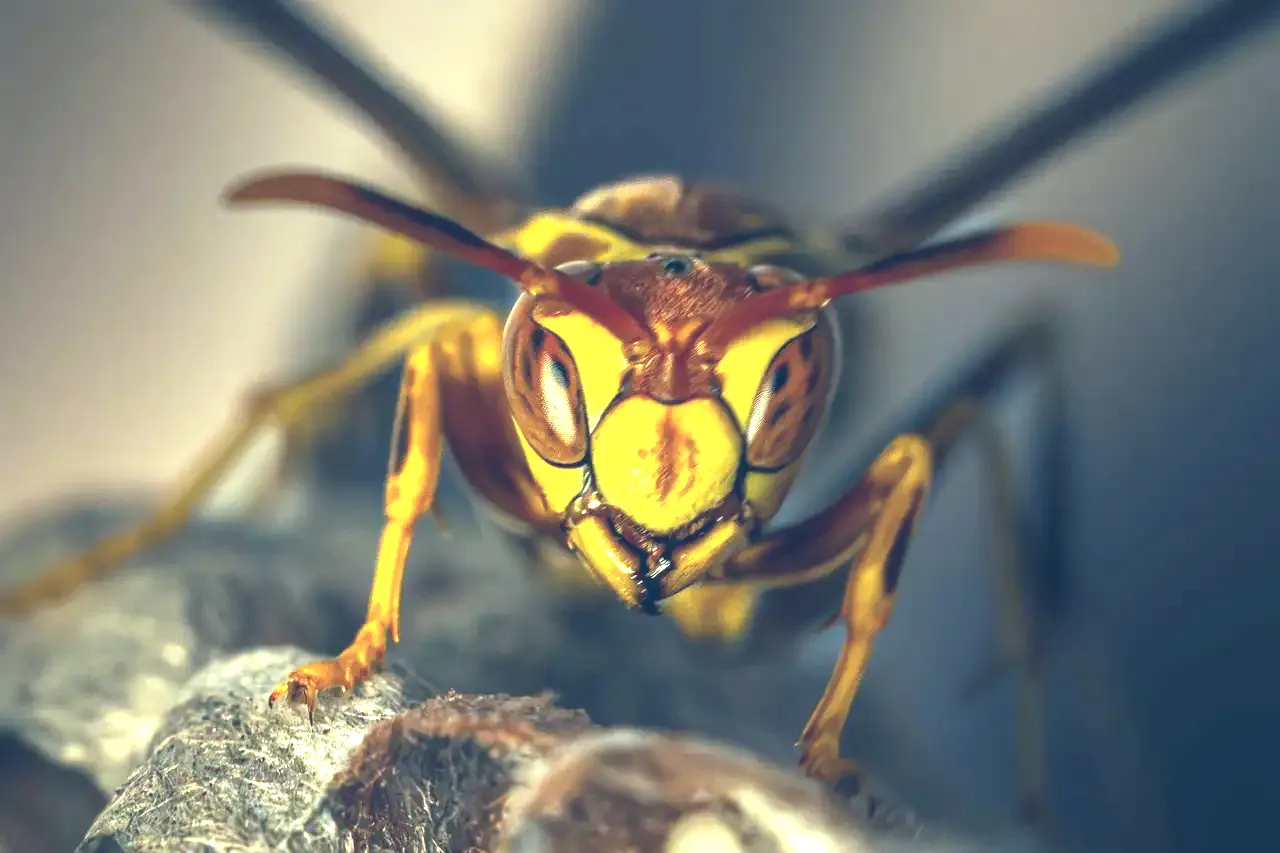
Illustration: a homeowner in Josey Ranch, 75006 sees a paper comb above the porch and leaves it undisturbed. The homeowner asks the provider to confirm the insect, define the assessment boundary and explain proposed work. Dated findings, any further check and the charge should be clear before approval, with no outcome assumed from the referral.
Illustration: a property manager in Josey Ranch, 75006 receives a yellowjacket report beside a shared fence. The manager coordinates permission and asks the provider to identify the colony and assess relevant adjoining space. Written findings and occupant restrictions can be passed to residents, while any work and charge remain the provider’s proposal for management to consider.
Illustration: a renter in Rosemeade, 75007 reports repeated balcony activity to management with the dates and position observed. Management can coordinate access for the provider’s assessment of the reported and adjoining areas. The renter can request the findings and keep-clear instructions, and ask how another report would be handled without assuming the earlier agreement covers new nesting.
Renters can report the nest to management, and the manager can coordinate access to balconies, eaves and communal spaces. Who authorizes work or pays for it depends on the property arrangements; this site does not determine those obligations. Submit the location and dates in writing and keep a copy. For association-controlled space, ask the board or its manager how the assessment should be arranged.
The provider assesses the reported nest and agrees which adjoining balconies, overhangs or communal spaces are included. Identification and access then guide the proposed work. For a yellowjacket wall colony, AgriLife advises against sealing its entrance before elimination. Ask whether accessible inactive nest material will be removed and whether a later assessment is included in the proposal.
Yes, a plan can be limited to one balcony if the provider’s assessment supports that scope. Ask whether adjoining overhangs should also be checked before deciding, because a visible nest does not establish what is present elsewhere. Any additional locations, resident access arrangements and charge should be agreed with the independent provider and management rather than assumed.
The provider determines duration from the insect, nest position, access and number of buildings included. An exposed comb and a concealed wall colony can require different arrangements, including a later check before an entrance is closed. Describe the building during the call and ask for an expected timeline, resident restrictions and the scope of any return visit.
Discuss any remaining questions about your building’s nest, access and proposed work with the independent provider receiving your call.
Discuss your questions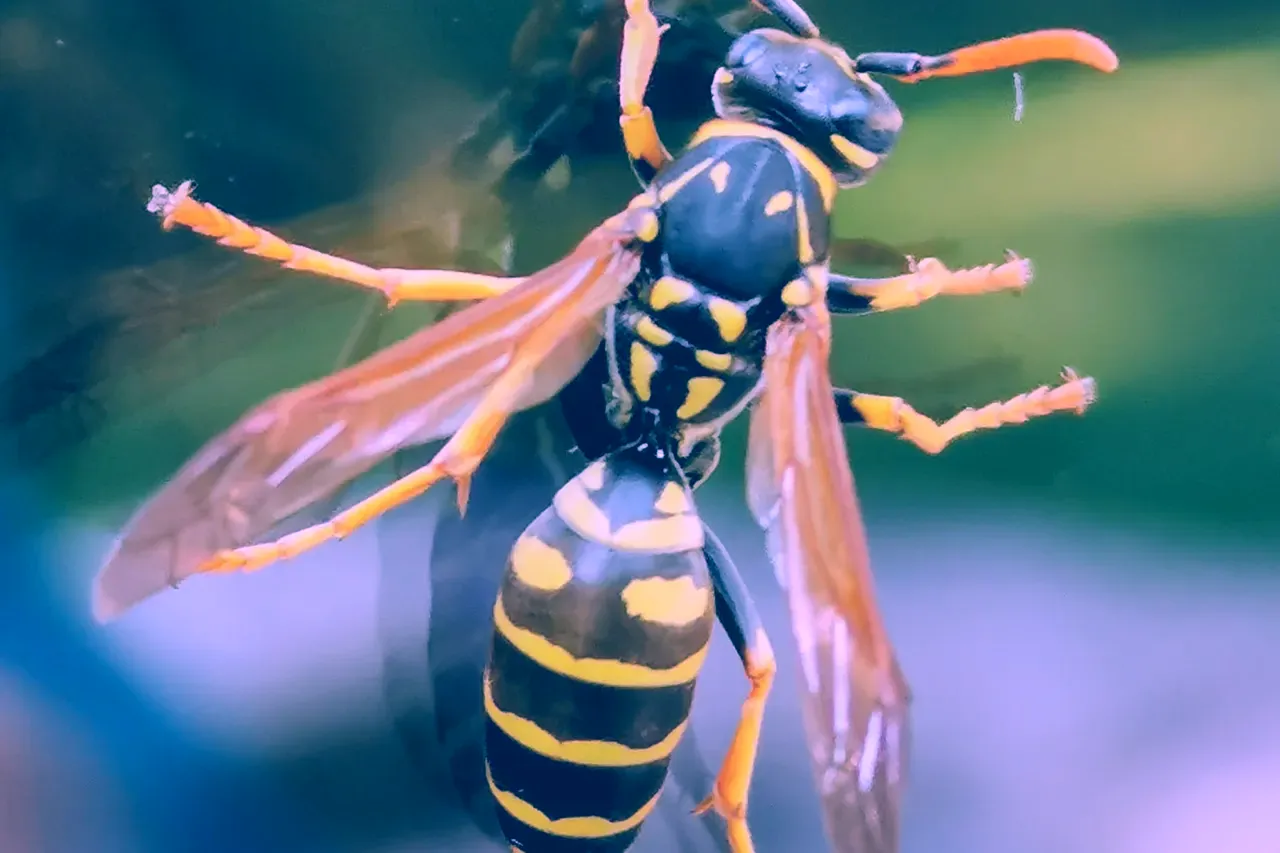
The first assessment should establish the insect and each relevant nest position on the building. Ask how the provider distinguishes paper wasps, yellowjackets and baldfaced hornets before proposing work. Honey bees require a separate referral through the Texas Apiary Inspection Service beekeeper list.
View service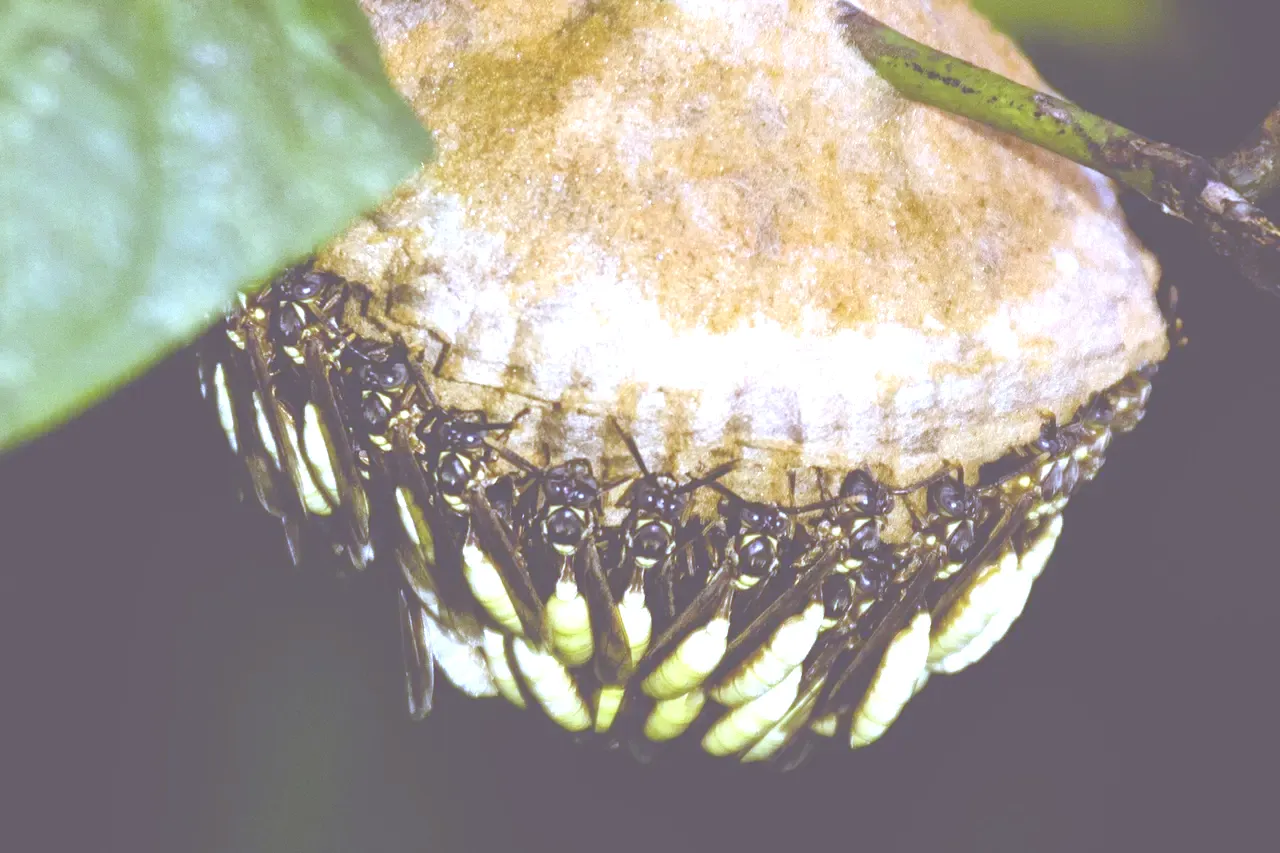
An enclosed paper nest may belong to baldfaced hornets, which are yellowjackets despite the common name. AgriLife recommends professional handling of established colonies. Ask about identification, height, surrounding space and the proposed access arrangements before deciding on work at the property.
View service
Yellowjackets generally nest underground but may also occupy wall spaces or aerial sites. AgriLife places peak colony size in August or September. For a wall colony, discuss elimination before sealing, how inactivity will be assessed and who arranges the later repair.
View serviceA later assessment can examine continuing activity and fresh comb near an earlier site. Spring paper-wasp queens may choose the same general area again. Ask which eaves, sheds or garages are included, what the observations mean and whether the visit carries a separate charge.
View serviceCalling the listed number uses Ringba tracking and routing, and the conversation may be recorded. The independent provider receiving your call discusses the location and proposed assessment. Calls connect 6 a.m. to midnight Central Time (7 a.m. to 1 a.m. during daylight saving time). The LeadSmart form is available at all hours, with its own consent wording and privacy terms.