A referral starting point
Discuss a wasp, hornet or yellowjacket nest.
Wasp nest follow-up in Carrollton, TX is an opportunity to assess continuing activity or fresh nesting near an earlier site. Paper-wasp queens can use the same general area in spring, so another comb does not establish that the old colony survived. Describe what you see at the house, townhome or apartment to an independent provider, who determines the assessment, any work and appointment availability.
Discuss a wasp, hornet or yellowjacket nest.
Ask which insect and nest the assessment identifies.
Discuss your address with the receiving business.
Consult TDA’s published current-license lists.
A return assessment revisits earlier findings and any newly reported activity. Agree whether additional work is included or would require a further proposal before the visit is booked.
A return assessment can revisit the recorded nest location and any newly reported eave, soffit, porch, garage or shed activity. Agree which adjoining areas will be included. If a concealed colony is suspected, ask how the provider establishes its position and confirms any thermal-imaging indication before proposing further work.
Ask the provider to distinguish continuing colony activity from a newly founded nest before proposing more work. Establish whether the earlier agreement includes the location and assessment, then check relevant license details against TDA’s current-license lists before authorizing an application.
Ask whether accessible inactive comb will be removed under the proposal or as a separate stage. Establish what is reachable, how higher locations are handled, who disposes of the material and whether another assessment is included.
Request dated findings showing the nest locations, activity assessed, work agreed and any further check proposed. Renters and managers can retain that record alongside the property’s earlier reports.
Return arrangements are determined by each independent provider. Clarify the period involved, included locations, treatment of a fresh nest elsewhere and any separate charge for additional work. Ask how continuing activity is reported and assessed. Keep the terms with the original proposal rather than assuming this referral creates ongoing coverage.
Share the observed nest location and ask the receiving provider what assessment it proposes.
Wasp nest follow-up in Carrollton can address two different questions: whether the earlier colony remains active and whether a new nest has appeared. A later check of a yellowjacket entrance is different from a spring assessment where paper wasps nested previously. Explain the dates and current observations, then agree which earlier sites, adjoining overhangs and fresh reports are included. The independent provider decides the appropriate timing and scope; this website does not establish a fixed return schedule.
AgriLife describes paper-wasp colonies being founded in spring by queens that overwintered in shelter, often in the same general location as earlier nests. That pattern makes identification of new activity important when discussing a return visit. Repeated traffic at a previously treated opening also warrants reporting rather than an assumption about the result. This referral covers Carrollton 75006, 75007 and 75010, including Josey Ranch and Rosemeade. The receiving independent provider assesses the observations and proposes the next step.
Before the return visit, obtain the provider’s instructions for the affected area. Leave old comb and openings undisturbed, keep children and pets clear as directed, and have the dates and locations of your observations ready. A distant photograph can help identify the report. Written directions avoid guessing about preparation on the day.
Identify the recorded nest site and each new report for the provider. Agree whether the assessment includes adjoining soffits, porches, play equipment, garages, sheds or former ground entrances. If activity suggests a concealed colony, ask how its location is confirmed. Request clear findings by location so you know what was assessed before authorizing further work.
Further work should follow the reassessment rather than assume the original approach simply needs repeating. Ask which colony or new nest is involved, why the provider proposes its method and when the affected space may be used again. Any changed scope or charge should be explained before approval.
Ask whether the proposal includes taking away accessible inactive comb and what future changes should be reported. AgriLife says abandoned yellowjacket nests are not reused, while paper-wasp queens may found colonies near an earlier site in spring. Report fresh comb or repeated entrance traffic from a distance, with dates and photographs if available, instead of assuming the two situations mean the same thing.
Before the provider leaves, obtain the findings and any further work recommendations in writing. A property with several buildings or outbuildings may require additional assessment, but its extent is the provider’s decision. Establish who schedules another visit, its purpose and whether the previously agreed amount covers it.
An active nest calls for the provider’s protective and access plan. Ask what suit, veil or gloves are appropriate and avoid climbing toward the colony to inspect it yourself.
Some providers use a thermal camera when continued activity suggests a concealed wall colony. Ask what the reading could establish and how the suspected nest will be confirmed.
Continuing activity requires reassessment rather than an automatic repeat of the earlier work. Ask whether the original colony remains active and why the provider proposes any change of method.
A return assessment can include eaves, soffits and porch ceilings, with the boundaries agreed beforehand. Ask whether the far side of the building and any newly reported spots will be checked.
Repeated use of an old entrance is useful evidence for the provider. Record it from a distance; the assessment should distinguish ongoing colony activity from insects merely passing through.
Ask whether inactive comb will be removed and disposed of, including any material at height. Clearing accessible material can make later observations easier, but reach and inclusion require agreement.
Garages, sheds and shrubs are among the paper-wasp nesting places identified in Texas guidance. Discuss whether the reported outbuilding, play equipment or fence area belongs in the return assessment rather than assuming only the house is included.
A return assessment should explain what was checked and what each observation means. Ask the provider to revisit the original location, assess newly reported areas and distinguish inactive material from fresh nesting. Agree whether adjoining overhangs, outbuildings and the yard are included, along with the expected duration and any further work proposal.
After elimination is confirmed, discuss repairing the opening and who will arrange it. AgriLife advises that a yellowjacket wall entrance remain unsealed until the colony is eliminated. Ask whether confirmation needs another assessment and whether closure is part of the provider’s agreement or separately arranged work.
An overwintered paper-wasp queen can start a spring colony near an earlier nesting site. Ask whether an assessment of former eave and outbuilding locations is appropriate for your observations and when the provider can offer it.
Record the date, location and pattern when fresh comb or repeated entrance activity appears. A photograph from a safe distance may help. Ask the provider which changes warrant contact and how another assessment would be arranged under the agreed terms.
The next step is to report the fresh comb to management and the provider, without assuming the earlier colony survived. Ask whether the assessment can include the balcony and relevant adjoining overhangs with permission. The provider should distinguish new nesting from continuing activity and explain any further work. A dated record gives the resident and manager the same account of the finding and the agreed response, including any separate charge.
Repeated traffic at the ground opening should be described to the provider, together with the date and any changes since the work. Keep the site unused while asking whether reassessment is appropriate. The provider can determine whether a colony remains active and explain any further proposal. Also establish the restrictions around the ground site and who confirms when they can end; do not dig into or approach the entrance yourself.
For a move-in assessment, ask whether the scope includes former eave, porch, garage, shed and play-space reports. Give the provider the planned occupancy date without assuming it creates availability or a completion deadline. If a nest is found, request identification and a separate explanation of any work. Retain the findings for the new residents and ask what fresh spring activity they should report from a safe distance.
A rental-turnover assessment can record the date, areas reached and findings for management. The provider decides whether work is proposed and which appointment is available. Ask what incoming residents should be told about assessed locations and restrictions. Findings describe that visit, so clarify how future activity should be reported and whether another check is included.
Housing context helps explain why access coordination belongs in a Carrollton return-visit discussion. ACS 2024 reports a median construction year of 1988, with 26.0% built before 1980 and 15.6% built in 2010 or later. Renters occupy 41.5% of occupied homes. Of all housing units, 35.9% are in buildings with two or more units and 28.6% in buildings with at least five. None of those figures establishes pest prevalence. On the actual property, identify the former nest, new observations and which eaves or outbuildings can be reached. Management may need to coordinate balconies and communal paths. AgriLife says paper-wasp queens found colonies in spring, often near earlier sites, whereas abandoned yellowjacket nests are not reused and most colonies die after the first hard frost. Dallas/Fort Worth’s average freeze dates of November 22 and March 12 are regional figures rather than Carrollton dates. The provider determines the timing of reassessment from the site and report. Check its relevant TDA license details and retain the proposed work, charge and return terms before hiring.
Josey Ranch, Country Place and Carrollton Downs are verified in 75006. Identify the prior nesting spot and any new activity so a return assessment can be scoped appropriately.
Rosemeade, Nob Hill and Highlands of Carrollton are verified in 75007. Discuss the old nest location and any activity at eaves, sheds, play spaces or lawn openings when requesting reassessment.
Verified 75010 neighborhoods include Austin Waters, Arbor Creek, Coyote Ridge and Mustang Park. Describe earlier findings and new observations when requesting reassessment.
Woodlake and Oak Creek Estates are verified Carrollton neighborhoods in 75007. Tell the provider about any earlier attempted treatment so the reassessment accounts for that history.
For a shared building, ask whether adjoining overhangs and communal routes belong in the return assessment. A report from one balcony does not establish what is present at neighboring units; management can arrange the needed permissions and access.
Paper-wasp queens can establish new spring colonies near earlier nesting sites. Dallas/Fort Worth’s regional average last freeze is March 12; ask the provider when reassessment suits the actual observations.
AgriLife places the yellowjacket colony-size peak in August or September, with new queens and males in October and November. Tell the provider about changes in entrance traffic; season alone does not confirm the colony’s condition.
Consult TDA’s current-license lists before hiring, and discuss proposed work near occupied outside spaces. Obtain the provider’s keep-clear instructions before authorizing an application.
Illustration: a homeowner in Josey Ranch, 75006 notices fresh paper comb near an earlier porch nest and also sees activity at another eave. The homeowner leaves both locations undisturbed and asks the provider how a return assessment would distinguish the observations and define any further work.
The assessment can compare the recorded location with newly reported comb and adjoining sheltered spaces. Ask the provider to identify active colonies and explain any further proposed work, including accessible inactive-material removal, occupant restrictions and later observations for the homeowner to report.
Afterward: Observe the reported locations from a distance and keep the affected space unused as instructed. Send the provider dated changes rather than disturbing the comb, and ask how observations are handled under its return terms.
Illustration: a property manager in Josey Ranch, 75006 receives another report at a previously treated ground opening beside a communal patio. The manager keeps residents clear and asks the provider whether the repeated traffic calls for reassessment, what the earlier terms cover and how any further work will be documented.
The provider can assess the repeated entrance traffic and relevant adjoining yard areas. Ask what the findings mean, whether further work is proposed and how a later check would establish when the restrictions can end.
Afterward: Management should follow the provider’s restrictions around the ground location and pass them to residents. Future activity can be recorded from a distance with dates; avoid mowing or approaching the entrance to inspect it yourself.
Illustration: a renter in Rosemeade, 75007 reports insects at another point along a shared soffit after earlier work nearby. The renter notifies management rather than assuming a hidden connection. The provider assesses the locations and explains the evidence, with access coordinated by management.
Ask which soffit sections and neighboring eaves need assessment and which openings are actually connected to the identified colony. Management can arrange access and request dated findings by location before authorizing further work.
Afterward: Ask which soffit sections and nearby buildings require another assessment and what changes residents should report. Management can retain the findings and share clear reporting instructions for the season.
Continuing activity can have several explanations. A return assessment distinguishes an original colony, newly founded nests and other insects rather than assuming the cause from earlier work.
Repeated entrance use after earlier work warrants a description for the provider, including the location, dates and pattern observed. Some insects returning to a site do not establish the same finding as an active colony. Ask how the reassessment distinguishes those possibilities and why any changed method is proposed. Keep the site undisturbed and agree the scope and charge before authorizing additional work.
A new paper-wasp queen can choose another sheltered location after an earlier colony was addressed. Report fresh comb at an eave, garage or outbuilding instead of assuming it is the old nest returning. Ask which additional spaces need assessment and whether removal of accessible inactive comb forms part of the new proposal. The provider determines the appropriate work for the identified colony.
A written report helps resolve differing observations between a resident and manager. Identify the location, dates and visible activity, then ask management to arrange any shared-space access the provider needs. Request dated findings showing what was checked, the insect identified and any further work proposed. Give residents and management the same record. This site does not determine lease duties or payment responsibility; its role is to connect the request with an independent provider.
Tell the provider about an earlier attempted spray, including the product if known and where it was used. Avoid further disturbance while the activity is assessed. Continuing traffic may concern the same colony or a new nest, so ask which finding supports the proposed method. The independent provider decides the approach and restrictions, and should explain any changed scope or charge before you approve further work.
Clarify whether the earlier agreement includes reassessment or a new proposal is required
The independent provider determines the cost of wasp nest follow-up in Carrollton, TX. Ask whether the earlier agreement includes the assessment or whether a separately requested spring or move-in check has its own amount. The proposed boundary may include one former nest, several outbuildings or adjoining shared spaces, with height and concealed access affecting the arrangements. Obtain the work and charge together in writing. Also clarify how another report at a treated location would be assessed and whether a further visit would require a new agreement. This referral website sets no charge or ongoing coverage.
A further assessment can compare earlier findings with the present observations and provide a dated record. Ask what question the visit will resolve, what is included and whether a report of fresh activity is covered under the provider’s terms. Its value and scope depend on the actual site.
Ask the provider to list the locations included in the return assessment. One former comb and several reports spread between a house, shed and fence can require different boundaries. For multiple buildings, clarify whether the proposal covers them together or separately before deciding.
A large lot or several structures can broaden a return assessment beyond one small yard. Ask which areas, heights and outbuildings the proposal includes and how those affect the charge.
Height and hidden access can change a return assessment’s arrangements. Explain an upper-floor eave, roof area or concealed soffit location and ask which access method is appropriate. Keep paths clear only as the provider instructs; do not climb toward the nest to prepare it.
For townhomes or apartments, a report may warrant assessment of adjoining roofline sections with permission. Ask whether the proposal includes those areas, who coordinates access and whether their assessment carries a separate charge. Management can then communicate the agreed scope to residents.
If the provider proposes a different approach after reassessment, ask which finding supports the change. Establish its purpose, occupant restrictions and any change to the amount before authorizing additional work; the referral itself supplies no method or cost commitment.
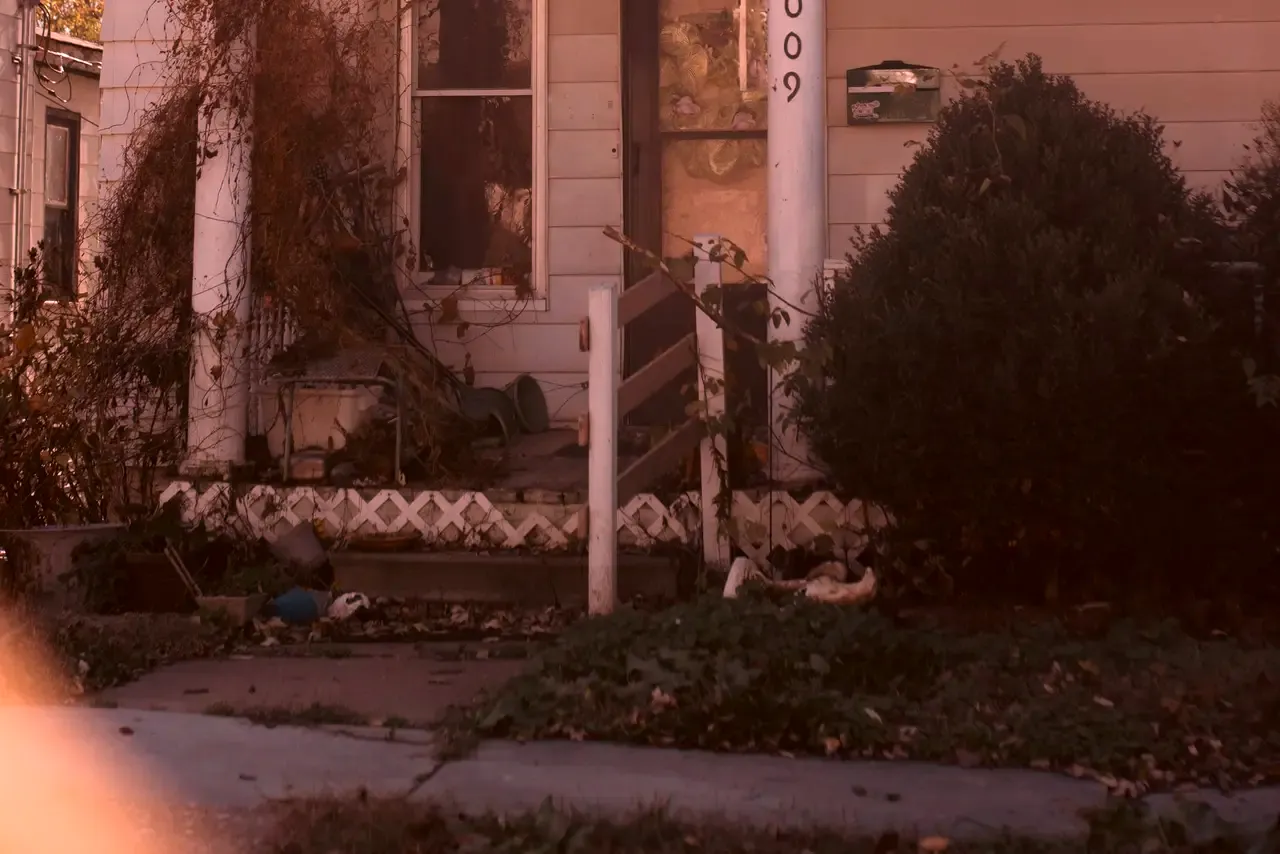
This website supplies referrals rather than carrying out assessments or pest work. Before hiring for another visit, obtain the independent provider’s license details and check the business and relevant individuals against TDA Structural Pest Control Service current-license lists. Ask about insurance separately. AgriLife recommends professional handling of established yellowjacket and hornet colonies and seeking professional help whenever safe control is in doubt. Discuss the identified insect, entrance, proposed method and any work already carried out. Obtain clear instructions for the affected area and the terms of any further assessment. A referral does not verify credentials, establish a charge or warrant a result.
Illustration: a homeowner in Josey Ranch, 75006 sees fresh comb near the porch after earlier work and keeps the affected entrance unused. The homeowner asks the provider to compare the original findings with the present activity, distinguish a new colony and explain the proposed assessment. Any further work, charge and return arrangement should be clear before approval rather than assumed from the first visit.
Illustration: a property manager in Josey Ranch, 75006 receives another report near a rental building’s outside wall. The manager coordinates permission for adjoining areas and asks the provider to assess the identified opening. Dated findings should explain what is active, any further work proposed and the restrictions management needs to pass to residents.
Illustration: a renter in Rosemeade, 75007 asks management about activity near a previously treated location before renewing a lease. The renter can request dated findings and report what is visible now without approaching the nest. The provider determines whether reassessment is appropriate and what any further proposal covers; future conditions are not established by one visit.
Report the new activity to the provider, and notify management too if you rent. A familiar location could involve a continuing colony or fresh nesting, so the next step is assessment rather than an assumed result. AgriLife says abandoned yellowjacket nests are not reused, while paper-wasp queens may choose the same general area in spring. Read the provider’s return terms and ask what another visit would cover.
A return check can assess continuing activity or a newly reported nest; its value depends on the findings and scope. Discuss the earlier work and current observations with the provider. Ask what the assessment would resolve and whether it is included. AgriLife recommends professional help whenever safe control is uncertain.
Leave a suspected yellowjacket wall entrance unsealed until the colony has been eliminated, following AgriLife guidance. Ask the provider how a later assessment will confirm activity and who would arrange closure after elimination. Another visit should have a clear purpose, scope and agreed charge rather than an assumed fixed schedule for every nest.
The provider determines the charge for a further visit and whether it is included in the earlier agreement. A separately requested spring or move-in assessment may have different terms. Property size, nest count, height, shared-building access and outbuildings can affect the scope. Describe the reason for the request and obtain an explanation of included work before booking; this site sets no amount.
Discuss any remaining questions about your building’s nest, access and proposed work with the independent provider receiving your call.
Discuss your questions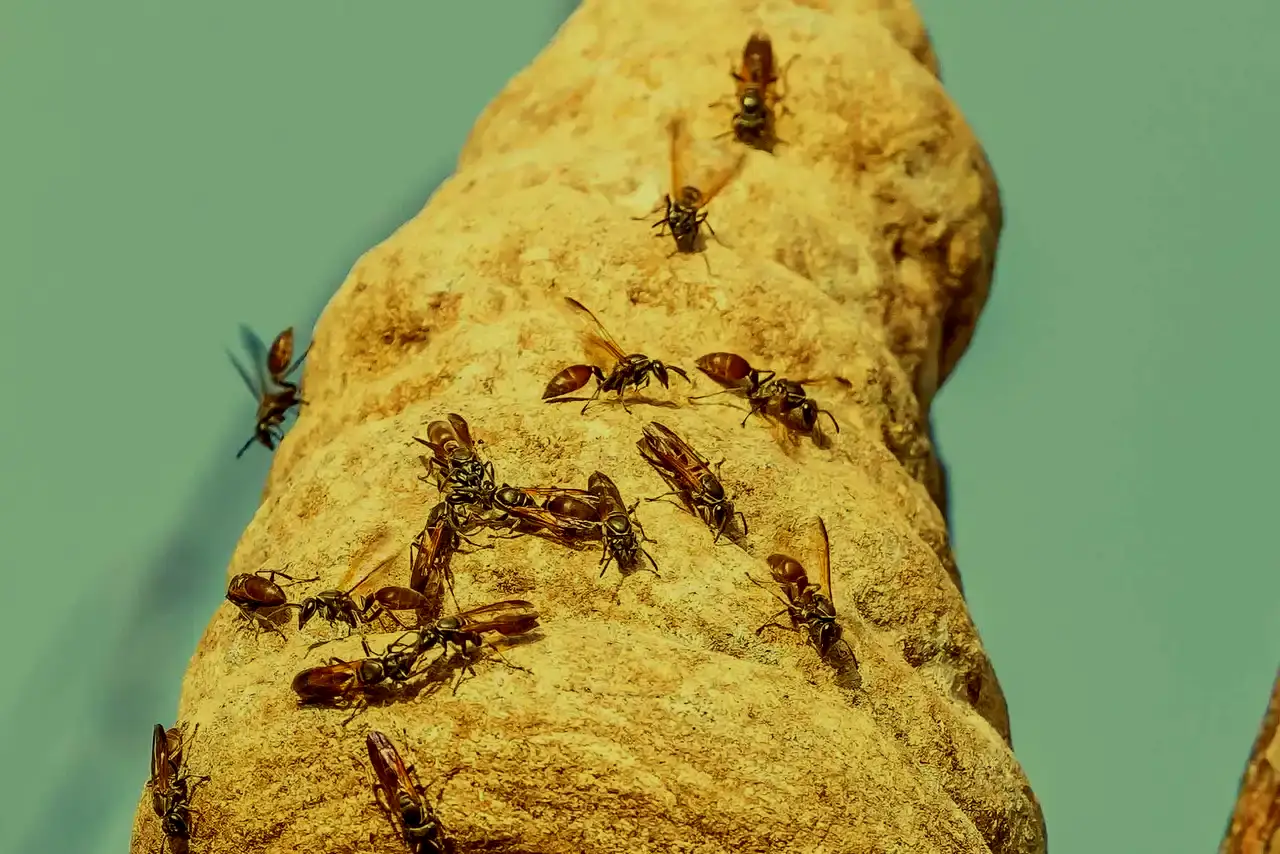
If the insect or nest position is uncertain, start with assessment rather than a removal assumption. Ask the provider to distinguish paper wasps, yellowjackets and baldfaced hornets. Honey bees require the Texas Apiary Inspection Service beekeeper list because honeybee work is excluded from this offer.
View service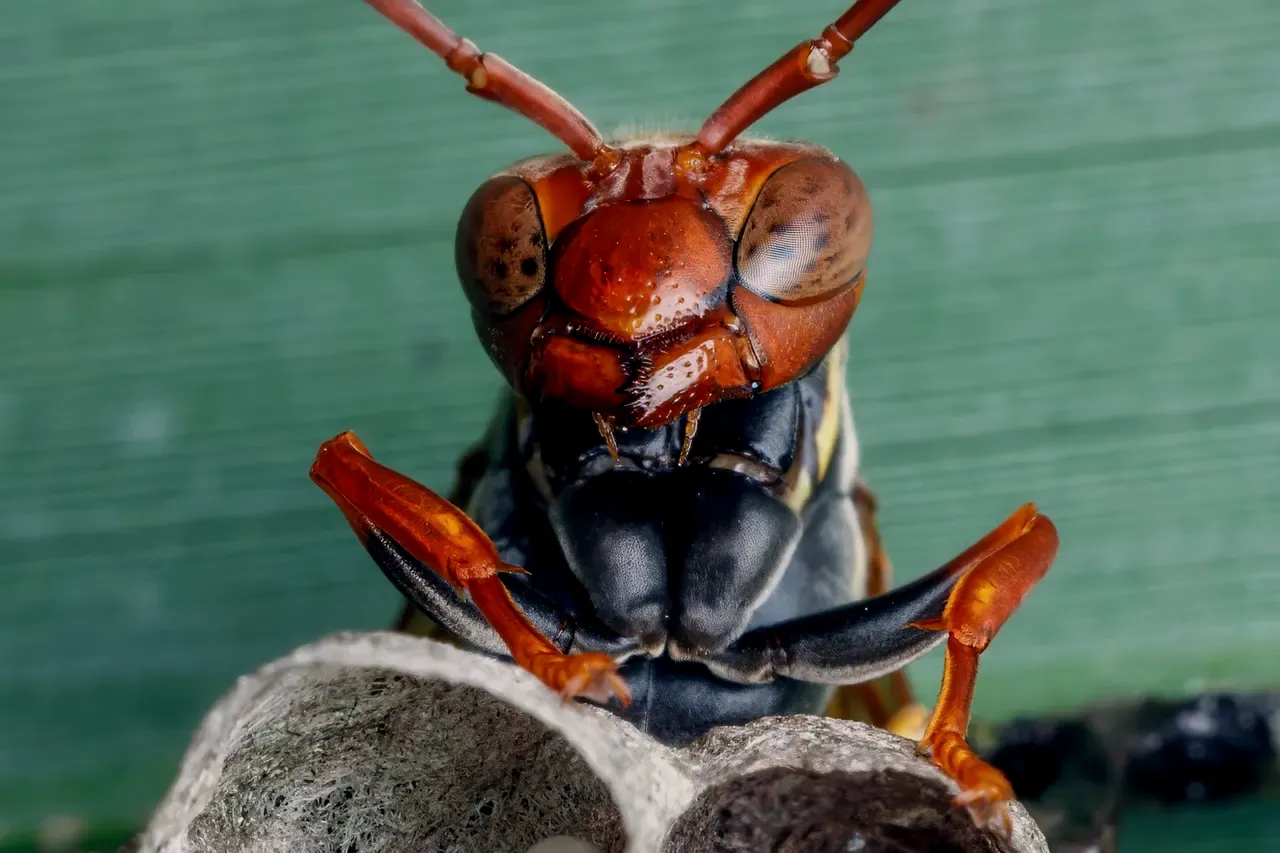
Baldfaced hornets are yellowjackets despite the common name. For an enclosed paper nest in a tree, shrub or eave, ask how the provider identifies the insect, assesses inactivity and determines whether accessible material can be removed. A return visit should have a defined purpose and terms.
View service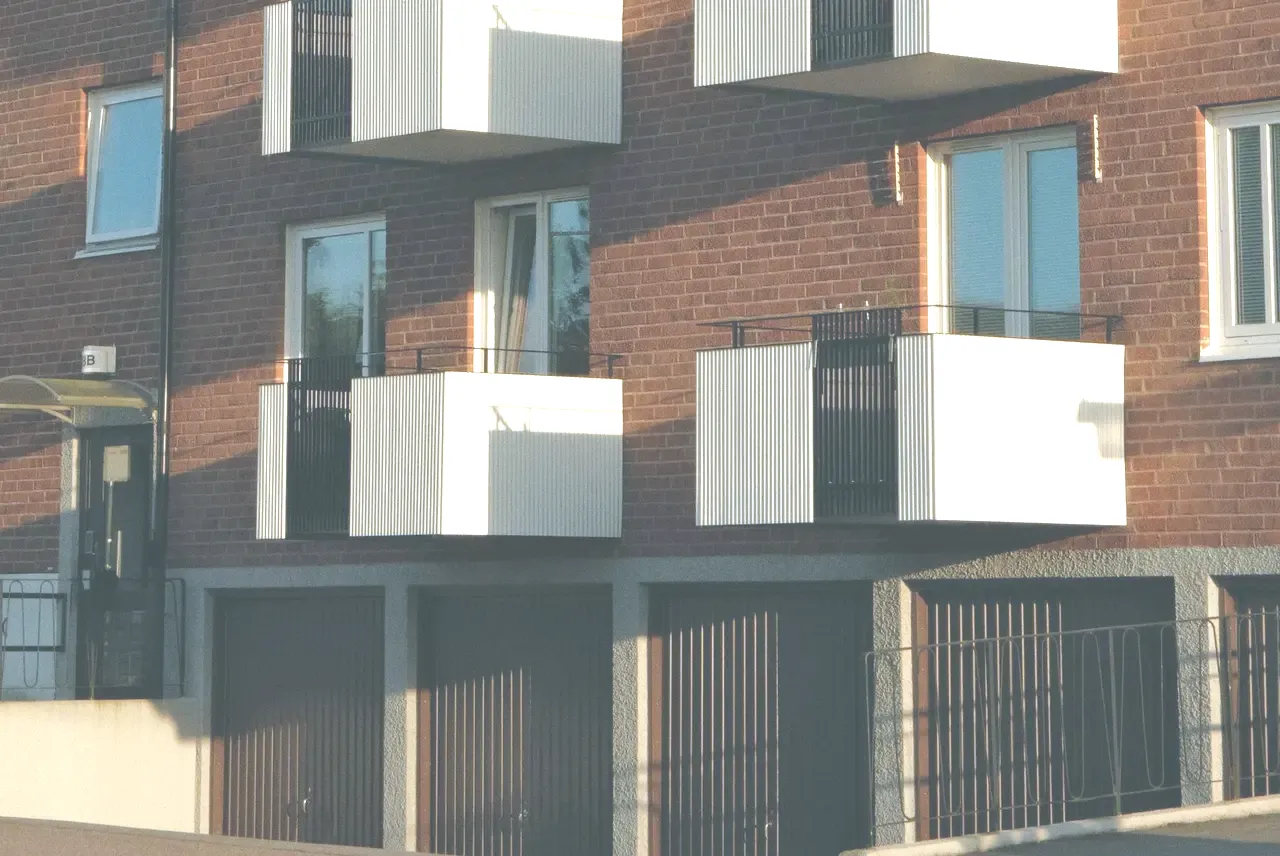
For a yellowjacket colony inside a wall, a later assessment may establish whether elimination has occurred before repair. AgriLife advises against sealing the entrance earlier. Discuss the identified opening, proposed work, confirmation stage and who will arrange any closure rather than assuming treatment and repair happen together.
View service
Carrollton’s ACS figures place 28.6% of units in buildings with five or more units. At an actual shared building, management can arrange access to reported balconies, eaves and outside walls. Tenants should supply the location and dates, and the provider should explain the assessment boundary and any proposed work.
View serviceCalling the listed number uses Ringba tracking and routing, and the conversation may be recorded. The independent provider receiving your call discusses the location and proposed assessment. Calls connect 6 a.m. to midnight Central Time (7 a.m. to 1 a.m. during daylight saving time). The LeadSmart form is available at all hours, with its own consent wording and privacy terms.