A referral starting point
Discuss a wasp, hornet or yellowjacket nest.
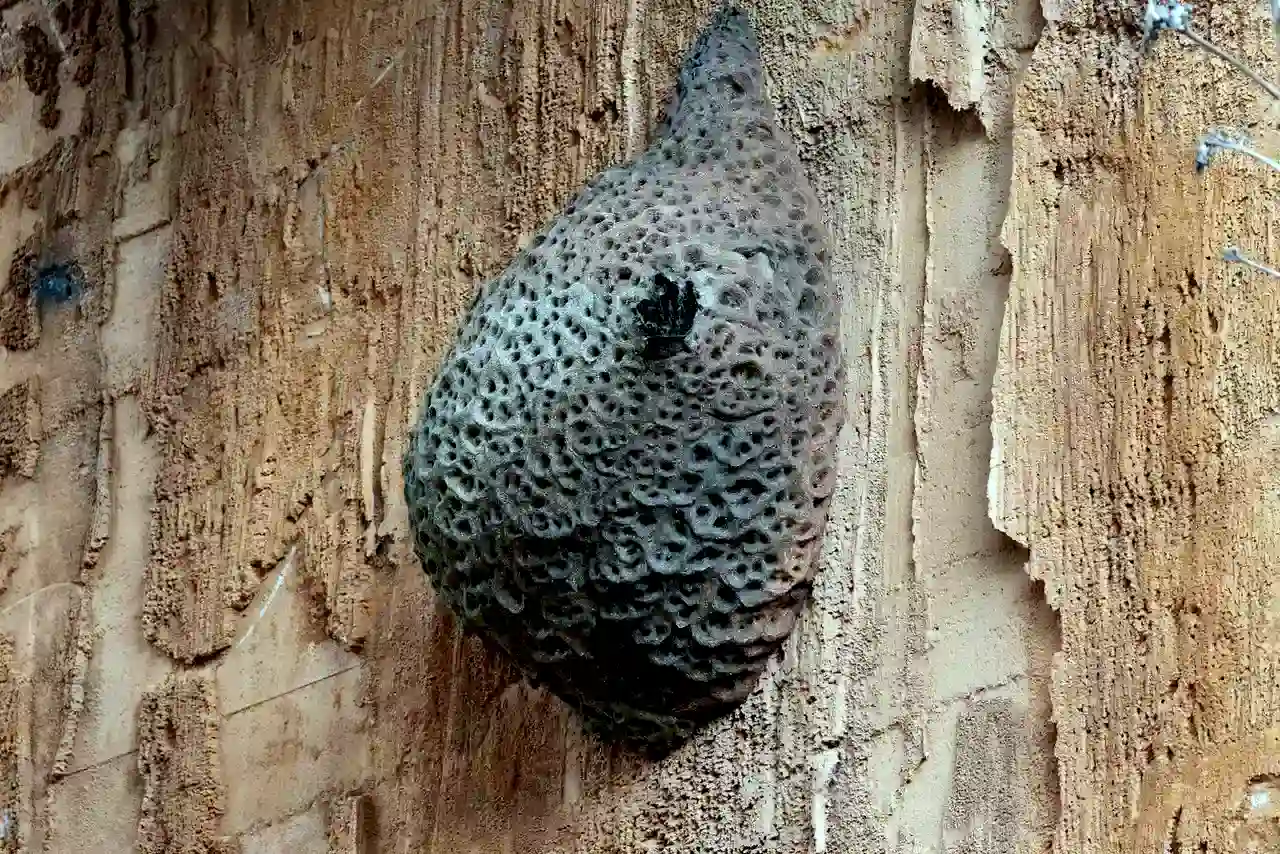
Seeing insects near a doorway does not establish where they nest or which insect is involved. A wasp nest inspection in Carrollton starts with those uncertainties. Ask the independent provider how it will assess the reported entrance, relevant roof edges, sheltered structures and ground activity. The findings should distinguish paper wasps, yellowjackets and baldfaced hornets from honey bees, which this referral does not handle. Review the location and identification before deciding on further work; neither the referral call nor the inspection itself commits you to treatment.
Discuss a wasp, hornet or yellowjacket nest.
Ask which insect and nest the assessment identifies.
Discuss your address with the receiving business.
Consult TDA’s published current-license lists.
Agree what the provider will assess before booking: the reported location, other outside areas, insect identification and any written findings. Ask whether the visit includes discussion of possible methods, and distinguish assessment from any later treatment or accessible inactive-nest removal. The receiving business sets its own scope.
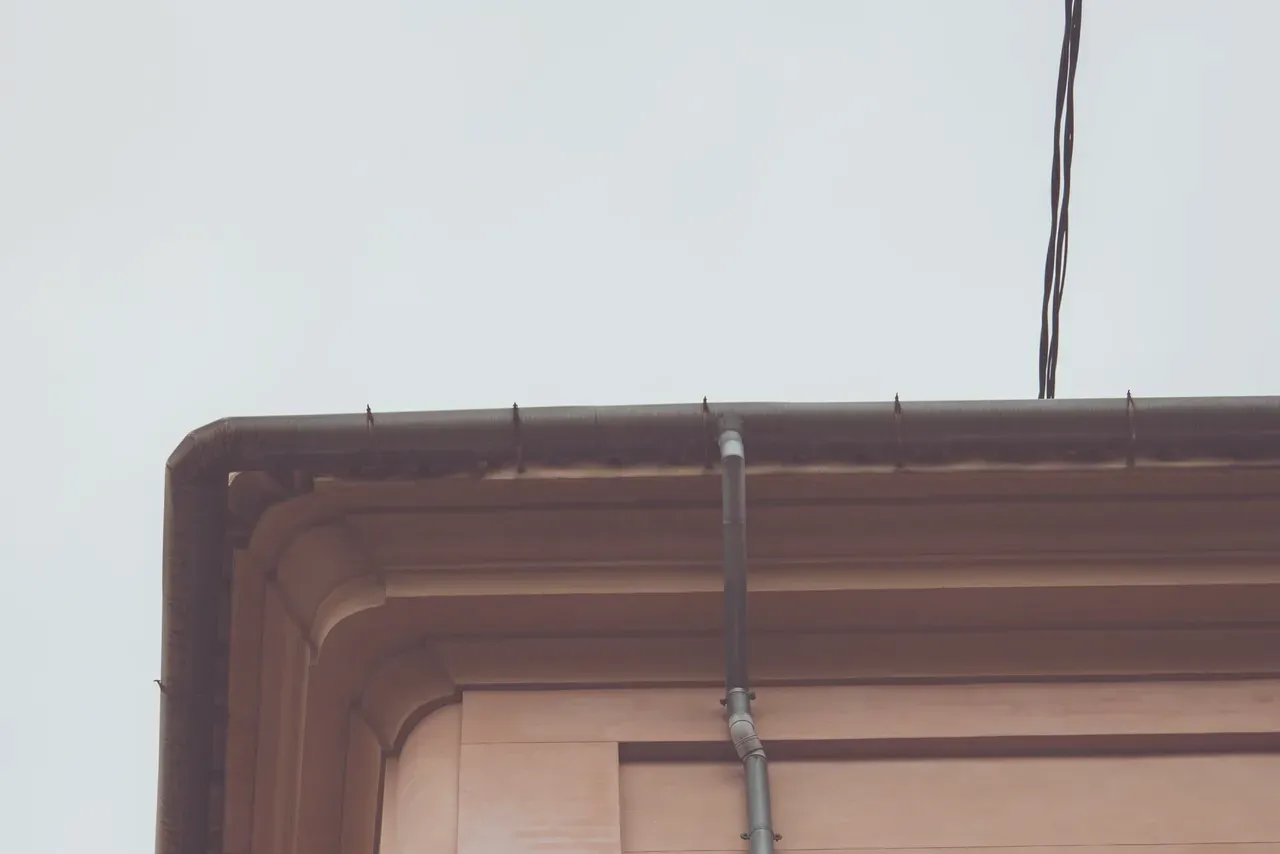
Texas guidance lists eaves as typical paper-wasp nesting locations, along with garages, sheds and shrubbery. Tell the provider which sheltered area has visible comb or repeated activity. Ask whether adjoining overhangs belong in the assessment, and let the business determine how those places can be checked without residents approaching the colony.
A small opening can lead to a colony below ground or within a building wall. Describe the repeated flights you can see without disturbing that opening. Yellowjackets usually nest underground, though aerial and wall locations also occur. Ask the provider how it will establish the colony’s position and record the evidence before recommending work.
An exposed paper comb differs from an enclosed nest or a concealed entrance, but appearance alone should not settle the plan. Ask the provider to identify the insect and explain the evidence. Texas Apiary Inspection Service notes that yellowjackets are hairless and do not carry pollen; honeybee concerns require a separate beekeeper referral.
Request findings that another reader can understand: the inspection date, areas checked, identified insect and position of each reported nest. Approximate height, size and photographs may help explain access questions. A renter can share the record with management; a provider considering another assessment can refer to the same locations rather than an uncertain description.
Review the findings before authorizing a method. Ask what work is appropriate for the identified insect, what preparation is needed and whether inactive material can be removed afterward. If the insects are honey bees, consult the Texas Apiary Inspection Service beekeeper list instead. For wasp work, agree the amount, visit arrangements and any later assessment with the provider.
Share the observed nest location and ask the receiving provider what assessment it proposes.
The useful outcome of an assessment is a clear account of the insect, colony location and access, rather than an assumption based on insects at a door. Describe each place where activity was observed and ask which outside features will be examined. Relevant areas may include roof edges, a porch, sheds, shrubbery or a busy ground opening, depending on the report. The provider decides the assessment method and should explain what evidence supports its conclusion. Establish whether you receive written findings or photographs, which spaces could not be checked and what further assessment would be needed before a work proposal.
Carrollton’s ACS 2024 figures describe a mix of housing arrangements: 41.5% of occupied homes are rented and 35.9% of housing units are in buildings containing at least two units. Those figures do not establish where nests occur. They do make access a useful question when discussing a particular rental or shared building. Tell management about the observed activity and clarify which balconies, overhangs or common routes can be assessed. At any property, the actual observations should guide the discussion; age, tenancy and neighborhood alone cannot identify the insect or locate its colony.
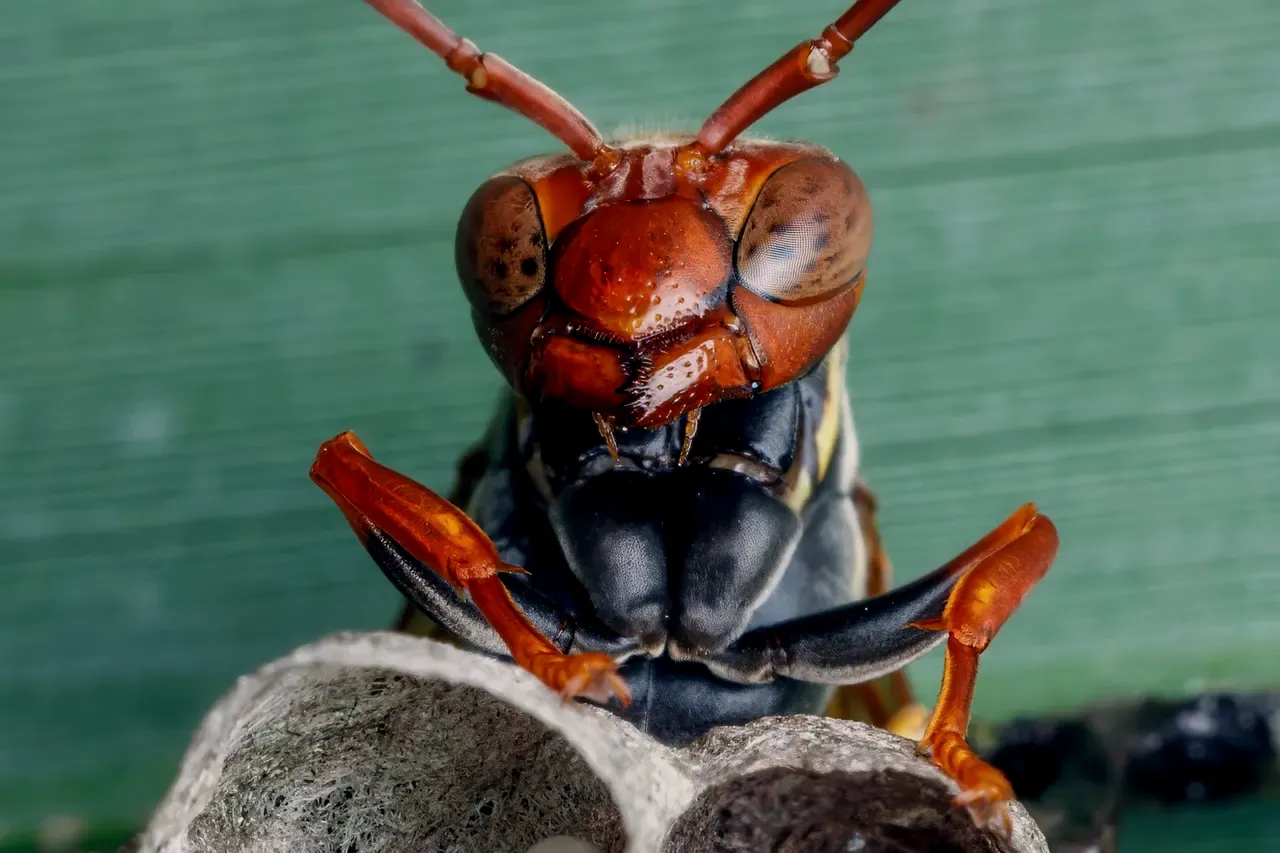
Start with the Carrollton address and what you have already seen: repeated flights through an opening, exposed comb or an enclosed nest. Give an approximate height and identify any access restrictions. Tell the receiving provider about a known sting-allergy concern and whether the affected area is shared. That independent business discusses assessment options, determines availability and makes any appointment arrangements directly with you.
Before the assessment, ask what the provider needs occupants to do. Leave the nest and entrance undisturbed, keep children and pets away, and obtain directions about using nearby spaces. Renters should coordinate with management when access involves a balcony or shared route. Explain any earlier disturbance or attempted work so the provider can consider that history when assessing the current activity and planning access.
Walk through the scope in conversation before the visit: the reported location and any other outside areas with observed activity. The provider may assess relevant roof edges, sheds, shrubs or ground entrances according to the situation. If a colony may be concealed in a wall, ask how that location will be confirmed and what access limits remain.
Have the provider distinguish what it confirmed from what remains uncertain. A useful note gives the date, insect identification and each nest location, with approximate height, size and photos when available. Ask for areas excluded from the assessment to be listed too. Share relevant findings with management or the owner so later decisions refer to the same evidence and access boundaries.
Once the findings are explained, decide whether to request a work proposal. Ask how the proposed method relates to the identified colony, what occupant instructions apply and whether accessible inactive material will be removed. Establish the amount and scope of any later assessment. Honeybee findings require the separate beekeeper resource; a wasp referral offers no work for honey bees.
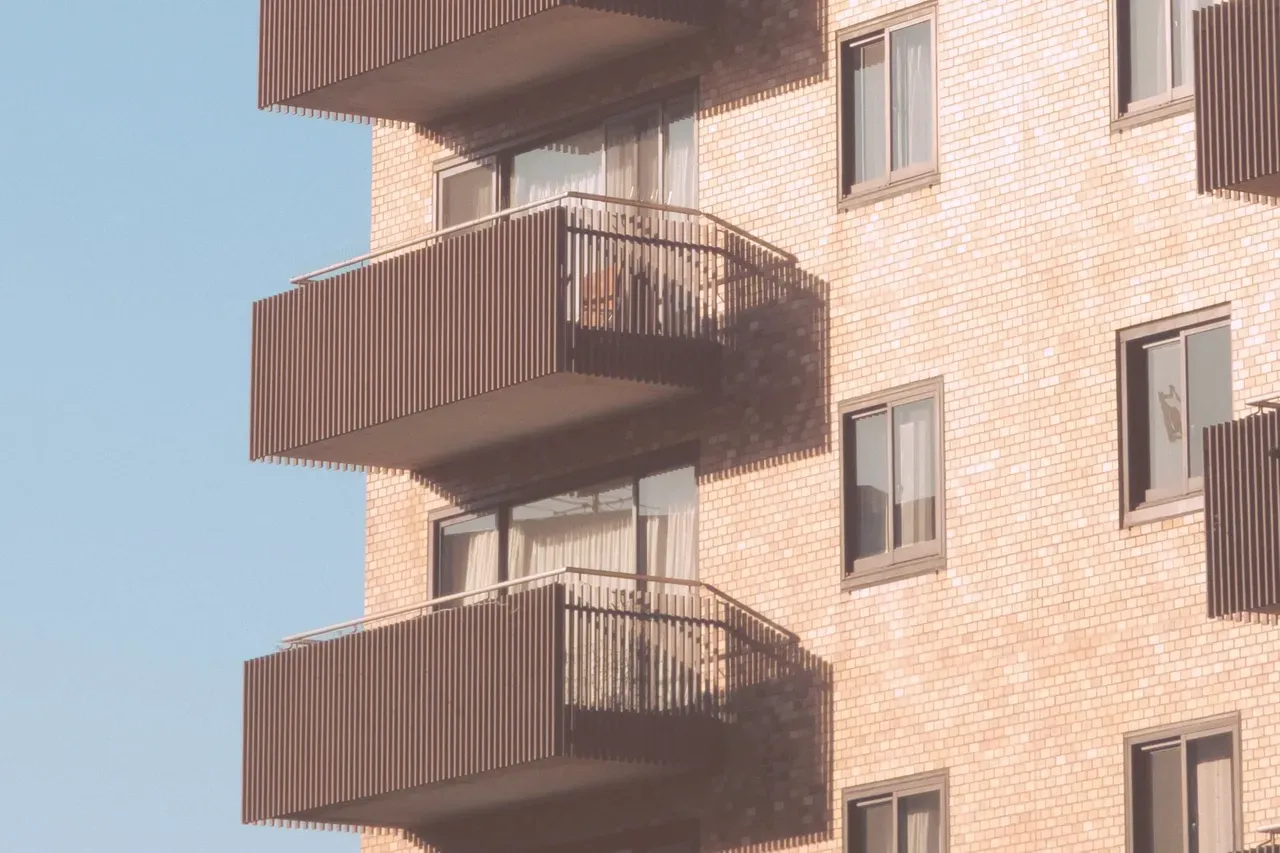
Discuss the protection and access arrangements the provider considers appropriate for the identified colony. Do not assume a particular suit or tool is included simply because it appears in a stock photograph.
Some providers use thermal imaging when investigating a suspected wall colony. Ask whether it is appropriate here and how any indication would be confirmed before a method is proposed for that location.
A provider may use magnification to examine a high nest without climbing toward it. Ask whether photographs can show the insect and location, and what the view establishes. Equipment choice remains with the receiving business; this website promises no particular tool for a visit.
Report repeated movement through an entrance from your existing view. Ask how the provider will assess that activity and distinguish an occupied colony from insects visiting an old nest or nearby feature.
A high eave or branch creates an access question for the provider. Give an approximate height without climbing closer, and ask how the assessment would be performed and what nearby space must remain clear.
Ask how the provider examines partly hidden openings around the building and what cannot be seen from outside. Describe the suspected entrance without opening a recess or disturbing a colony to obtain a closer view.
Whatever assessment method is used, ask the provider to explain which evidence supports the insect identification and nest location. A picture or description can help an owner or manager understand the proposed next step. Where identification remains uncertain, discuss what further assessment is needed before agreeing to treatment rather than relying on appearance alone.
TDA Structural Pest Control Service publishes current-license lists for businesses, certified applicators and technicians. Ask for the business and relevant individual’s details and consult the appropriate list before authorizing work. Request insurance information directly too. This referral does not establish licensing, insurance or suitability for your particular property.
Have the assessment explain the colony and proposed work before agreeing to any application. Ask what would be addressed, which nearby areas require restrictions, whether inactive nest material can be removed and how later activity should be reported. The provider selects its own method and scope.
For yellowjacket wall nests, AgriLife advises leaving the entrance unsealed until the colony has been eliminated. Ask who confirms that stage and who would arrange any subsequent closure or repair of the opening.
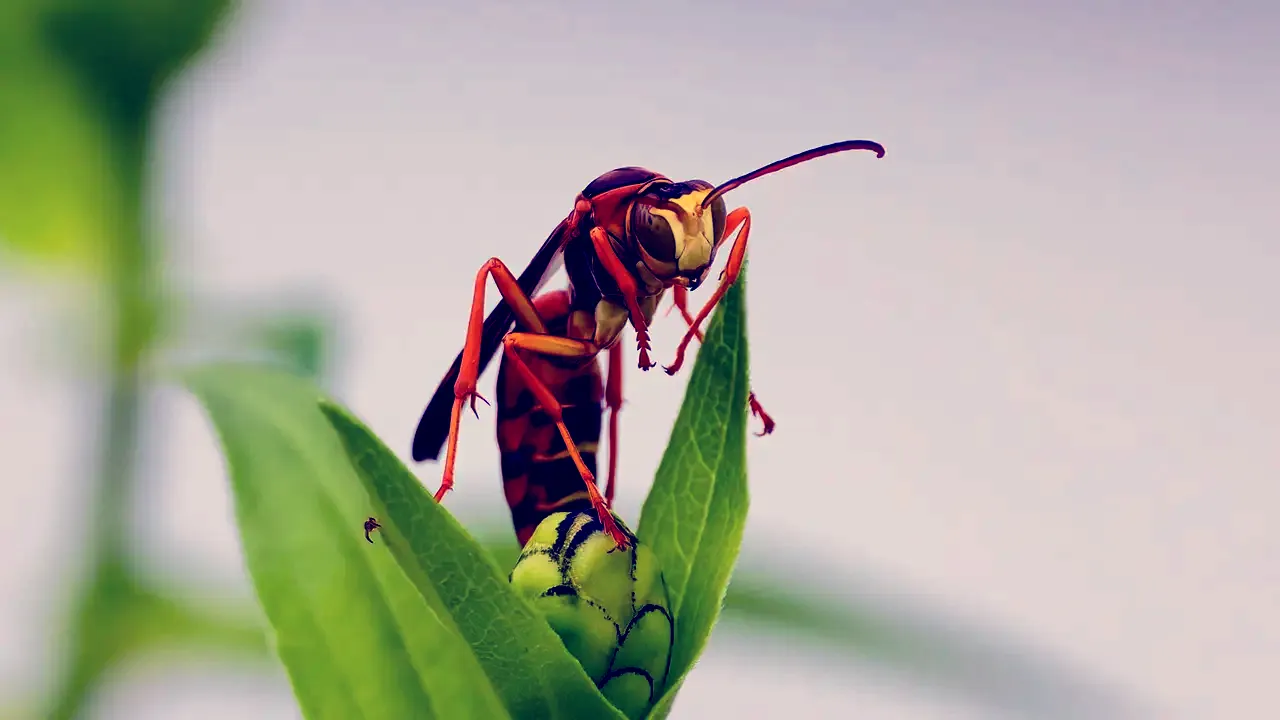
Activity at a doorway can be described without assuming a nest sits directly above it. Tell the provider where insects enter or leave and which observations are repeated. Keep the area undisturbed rather than probing a gap or opening a fixture. Ask how the assessment will locate the actual colony, which nearby outside spaces it includes and how uncertain or inaccessible locations will be recorded. The resulting findings should guide any proposal for further work.
A renter can send management a dated description and any existing distant photograph, then ask how an assessment will be arranged. The provider’s findings can identify the insect, affected location and access requirements. Agree who can authorize work and circulate occupant directions. This site gives no ruling on tenancy responsibilities or payment; discuss those arrangements with the relevant parties before a visit is booked.
Seek medical care for a sting reaction, with emergency help for a severe reaction. This referral is for pest concerns, not medical assistance. Once immediate care is addressed, keep others away from the affected area and describe the event without approaching a suspected nest. A provider can discuss assessment of the relevant outside spaces and explain what evidence would establish the insect and colony location before further work is considered.
For a site with several buildings or shared outside routes, list the reported locations before discussing an assessment. Ask which entrances, roof edges and communal spaces will be checked and how findings will be recorded for each. Management can coordinate permission and communicate restrictions. Do not assume a building-wide search or particular appointment time is included; establish the scope and any further assessment directly with the provider.
The address and observed activity matter more than assumptions about the neighborhood. Carrollton coverage includes 75006, 75007 and 75010: Josey Ranch and Country Place are verified names in 75006; Rosemeade and Nob Hill are in 75007; Austin Waters and Arbor Creek are in 75010. Give the receiving business the exact address and describe which outside spaces are affected. Carrollton’s ACS 2024 housing data reports a median construction year of 1988, with 26.0% of units built before 1980 and 41.5% of occupied homes rented. Those figures describe the city rather than establish a property’s nest risk. Ask what the assessment includes for this particular building, who can authorize access and whether written findings are provided. Seasonal information also needs care: AgriLife places the yellowjacket colony-size peak in August or September, but a calendar cannot identify the insect or establish whether a specific nest is occupied. Record what is actually observed and let the independent provider explain its findings before agreeing to any proposed work.
Josey Ranch, Country Place and Carrollton Downs are verified Carrollton neighborhoods in 75006. Describe the actual nest or entrance location at your address, and discuss assessment boundaries without assuming the housing style or colony type from the neighborhood.
Rosemeade, Nob Hill and Woodlake are verified names in Carrollton’s 75007 coverage. Give the provider the address, visible activity and any shared-space access restrictions before asking what an assessment would include.
Austin Waters, Arbor Creek and Coyote Ridge are verified Carrollton areas in 75010. Discuss the specific entrance or nesting feature rather than inferring activity from the ZIP alone.
Carrollton Downs, Briarwyck Estates and Woodcreek are verified neighborhoods in 75006. If the reported location is shared or requires someone else’s access permission, explain that when discussing the assessment and proposed appointment with the provider.
A reported nest at a balcony, stair landing or shared eave needs coordinated access. Tell management where activity was observed and ask how a provider assessment and any occupant instructions will be arranged.
AgriLife identifies August or September as the yellowjacket colony-size peak. Ask the provider about the actual findings at this site rather than using the month to infer colony activity.
Paper-wasp nests are typically beneath eaves and can also occur in garages, sheds and shrubbery according to Texas guidance. Describe the affected feature and ask whether adjoining areas are included in the assessment.
ACS 2024 puts Carrollton renter occupancy at 41.5%. At a rental, a report helps management coordinate assessment and explain the findings without assuming a nest from housing statistics.
Illustration: a renter in Rosemeade, 75007 notices repeated wasp activity around a balcony door but sees no nest. The renter stops using the balcony and sends management a dated description to discuss an assessment.
The renter asks management to coordinate access while a provider assesses the reported balcony and any agreed adjoining spaces. Written findings can identify the insect, nest position and remaining uncertainty. The provider’s proposal, rather than the illustration, determines any treatment or further assessment.
Afterward: The renter keeps the dated findings and reports fresh comb or renewed activity to management. A provider can discuss whether another assessment is appropriate and whether its scope is separately charged.
Illustration: a homeowner in Josey Ranch, 75006 notices insects repeatedly entering a lawn opening while using the yard. The homeowner avoids that part of the lawn and asks an independent provider about identification and locating the colony.
The homeowner describes the view rather than moving closer to identify the insect. A provider can assess the entrance, establish which colony is involved and record its position. Honeybee findings would require the Texas Apiary Inspection Service beekeeper resource rather than wasp work through this site.
Afterward: The homeowner keeps people and pets away from the reported opening, then obtains the provider’s directions about area use and how later activity should be reported.
Illustration: a property manager in Josey Ranch, 75006 receives separate resident reports of insects near outside entrances. The manager lists each reported place and discusses a defined assessment of the affected buildings and shared access routes.
The manager asks the provider to identify each confirmed nest by building and location, with any unchecked areas noted separately. Access permission and resident communication can then refer to the same findings. Agree the proposed work, restrictions and later assessment arrangements directly before authorizing a treatment plan.
Afterward: A location list gives the manager a reference for later reports. Paper-wasp queens can found spring colonies near an earlier site, so observations need assessment rather than an assumed repeat problem.
These examples illustrate uncertainties residents may encounter before identification. They describe no actual calls or customers; an independent provider must assess the insect and colony before recommending work at a particular address.
You can explain repeated insect activity without deciding that a nearby feature contains the nest. Tell the provider what you observed at the doorway, patio or garage and ask how the source will be established. Leave openings and structures undisturbed while arranging assessment. Request findings that distinguish the confirmed colony location from other places insects were seen, including any relevant areas that could not be checked before a proposal is made.
Put the reported place and date in writing so management can coordinate the right access. A provider assessment can then record the identified insect, nest position and spaces checked. Ask whether photographs or a written explanation are available to share with the owner and affected residents. Any proposal should clarify the work boundaries, occupant instructions and who authorizes it before a treatment appointment is arranged.
Request identification before asking for wasp treatment. Texas Apiary Inspection Service notes that yellowjackets are hairless and do not carry pollen, but residents need not approach a colony to confirm those details. Explain what can already be seen and let the provider assess the evidence. If the insects are honey bees, this website offers no work for them; consult TAIS’s registered-beekeeper removal list and keep chemicals out of the hive. The list is not an endorsement.
Explain whether the reported nest or entrance appears on your property, a shared feature or a neighboring structure. Avoid assuming that a provider can assess every space from your side of a fence. Coordinate access with the relevant owner or management and ask what the agreed assessment can establish. Record any location that could not be reached, and discuss what permission or further assessment would be needed before any work there is proposed.
The receiving provider defines the assessment and charge after discussing the property, reported locations and access requirements.
Ask the receiving business for its assessment amount and what that amount includes. Relevant questions concern the property’s size, separate reported locations, overhead or concealed access and any additional assessment method proposed. Establish whether the charge covers identification only, written findings or a later work proposal, and whether treatment would be a separate arrangement. Also ask how an inconclusive visit or an inactive nest is handled under the proposed scope. This referral supplies no figures and makes no assessment or removal booking on your behalf; the decision to hire follows your discussion with the independent provider.
A clear assessment scope helps you compare the findings with the work later proposed. Ask which reported places will be checked, how confirmed nests will be documented and what happens if access prevents a conclusion. Agree those boundaries directly with the provider.
List the distinct places where activity has been observed and ask whether they all fall within the visit scope. Several reports may concern one colony or separate nests; identification and location must come from the assessment rather than your initial count.
A house, shared building and multi-building property can raise different access questions. Ask whether the proposed charge covers the whole agreed site or only named areas. Management can list buildings and reported locations so the provider can explain the scope before booking.
Describe overhead locations, dense planting or stored items that might affect the provider’s view. Ask how access limitations change the proposed assessment and charge. Obtain instructions before moving anything near the suspected colony; do not clear an approach by disturbing the nest yourself.
Ask which assessment methods the provider proposes and what they can establish at this property. If extra equipment is suggested for a concealed colony, discuss its purpose and whether it changes the agreed amount before authorizing it.
The provider determines its schedule and the assessment charge. Supply the Carrollton address in 75006, 75007 or 75010, explain access restrictions and ask what appointment options it can offer. Connection hours do not establish when work will be available at the property.
This website makes an introduction; selecting the business and checking its details remain with you. Ask for the provider’s business and relevant individual license information, then consult TDA Structural Pest Control Service current-license lists. Request insurance details directly. Next, discuss how the proposed assessment will identify the insect and colony, which spaces will be checked and how inaccessible locations will be recorded. Ask whether you receive written findings and what a later work proposal would cover. AgriLife recommends professional help when safe control is uncertain, but that guidance does not endorse a particular provider. Review the answers and scope before deciding whether to book an assessment or authorize work.
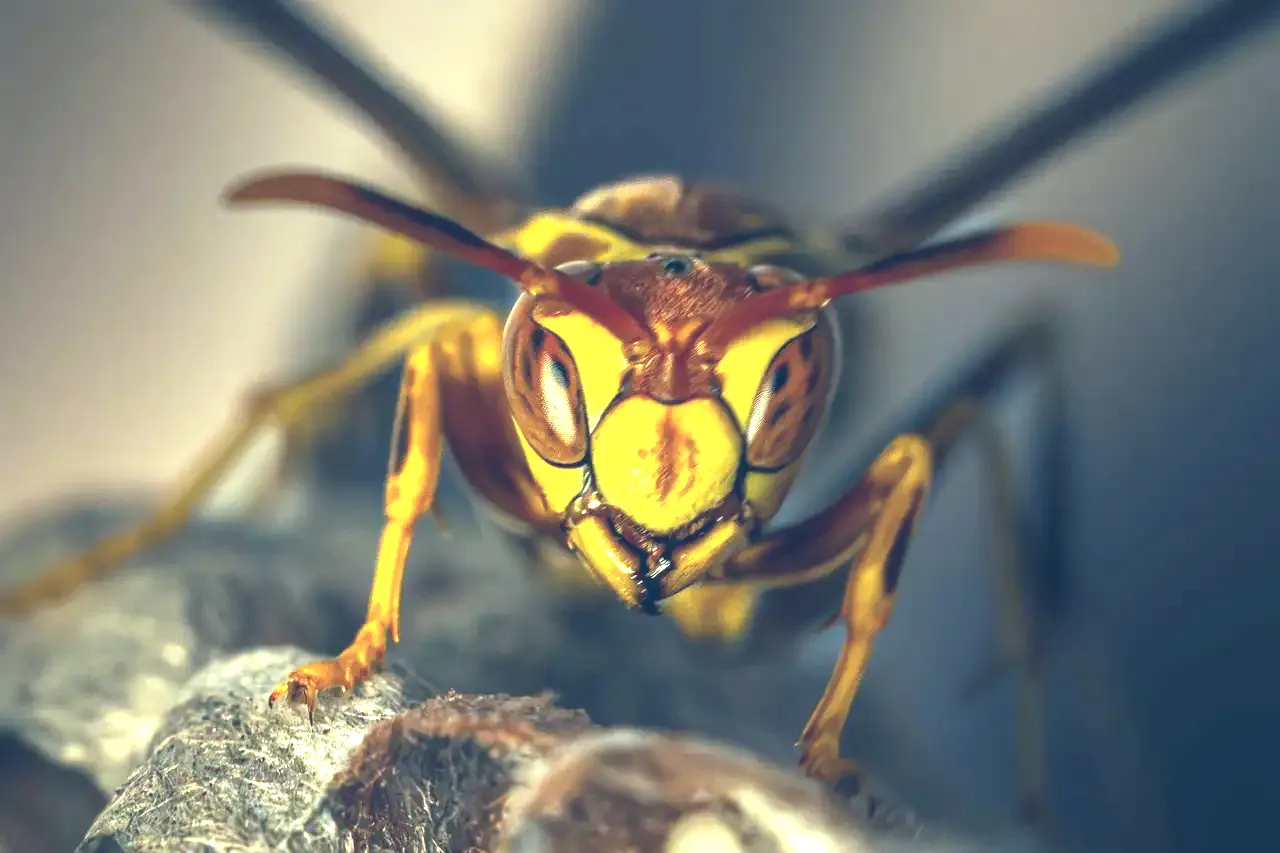
Illustration: a homeowner in Josey Ranch, 75006 sees a paper comb beneath an eave but is uncertain which insect built it. The homeowner asks an independent provider to identify the insect, locate the colony and explain the evidence. Written findings can clarify what was checked before the homeowner considers a separate proposal for work, with no outcome implied by the illustration.
Illustration: a property manager in Josey Ranch, 75006 receives a porch-activity report from one resident. The manager discusses an assessment of the reported space and any agreed adjoining features. Findings by address and nest position can help coordinate access and explain the next decision to residents; the provider determines its method, charge and visit arrangements independently.
Illustration: a renter in Rosemeade, 75007 repeatedly sees insects at a balcony but cannot find their nesting place. The renter reports the activity to management and asks how access for assessment will be arranged. A provider’s findings can establish the insect and colony location or explain what remains uncertain. The renter keeps the report for any later observations; this describes no actual treatment or customer result.
The provider assesses the agreed outside areas, identifies the insect and investigates its nesting location. Discuss the reported activity, surrounding features and access restrictions before booking. Ask whether the scope includes written findings or photographs and how unchecked spaces will be recorded. Assessment does not automatically include treatment or inactive-nest removal, so have the receiving business distinguish those decisions and explain its proposed next step before you authorize work.
Yes, confirm the insect and colony location before agreeing to wasp removal. An assessment can distinguish exposed comb, a concealed yellowjacket entrance and a honeybee concern requiring a separate referral. Ask the provider what evidence it found, which reported places were checked and whether uncertainty remains. Review the proposed method and scope against those findings rather than choosing treatment solely from insects seen near a door.
Yellowjackets are hairless and do not carry pollen, unlike honey bees, according to Texas Apiary Inspection Service. Let the provider confirm identification rather than approaching a colony to inspect it. Describe only your existing view or distant photograph. Honeybee work is outside this offer: consult the TAIS registered-beekeeper removal list and do not spray chemicals into a hive. The list does not endorse a beekeeper or establish a pest-control license.
The independent provider sets the assessment charge after discussing the property and scope. Ask how reported locations, property size, height, concealed access and any extra assessment method affect its proposal. Confirm whether findings are supplied in writing and whether treatment or later nest removal is separate. This website publishes no job-specific figures and leaves the choice to book with you.
Discuss any remaining questions about your building’s nest, access and proposed work with the independent provider receiving your call.
Discuss your questions
An enclosed paper nest should be identified before a removal plan is chosen. Texas Apiary Inspection Service describes the baldfaced hornet as a yellowjacket. Ask the provider to establish the insect, colony position and access requirements. AgriLife recommends professional handling of established hornet and yellowjacket colonies; leave the nest undisturbed while discussing an assessment.
View serviceYellowjackets commonly nest underground and can also occupy wall spaces or aerial locations. Tell the provider about a repeated entrance without disturbing it. Ask how a concealed colony will be located. AgriLife advises against sealing a yellowjacket wall entrance until elimination, so discuss later closure separately from identifying the colony.
View service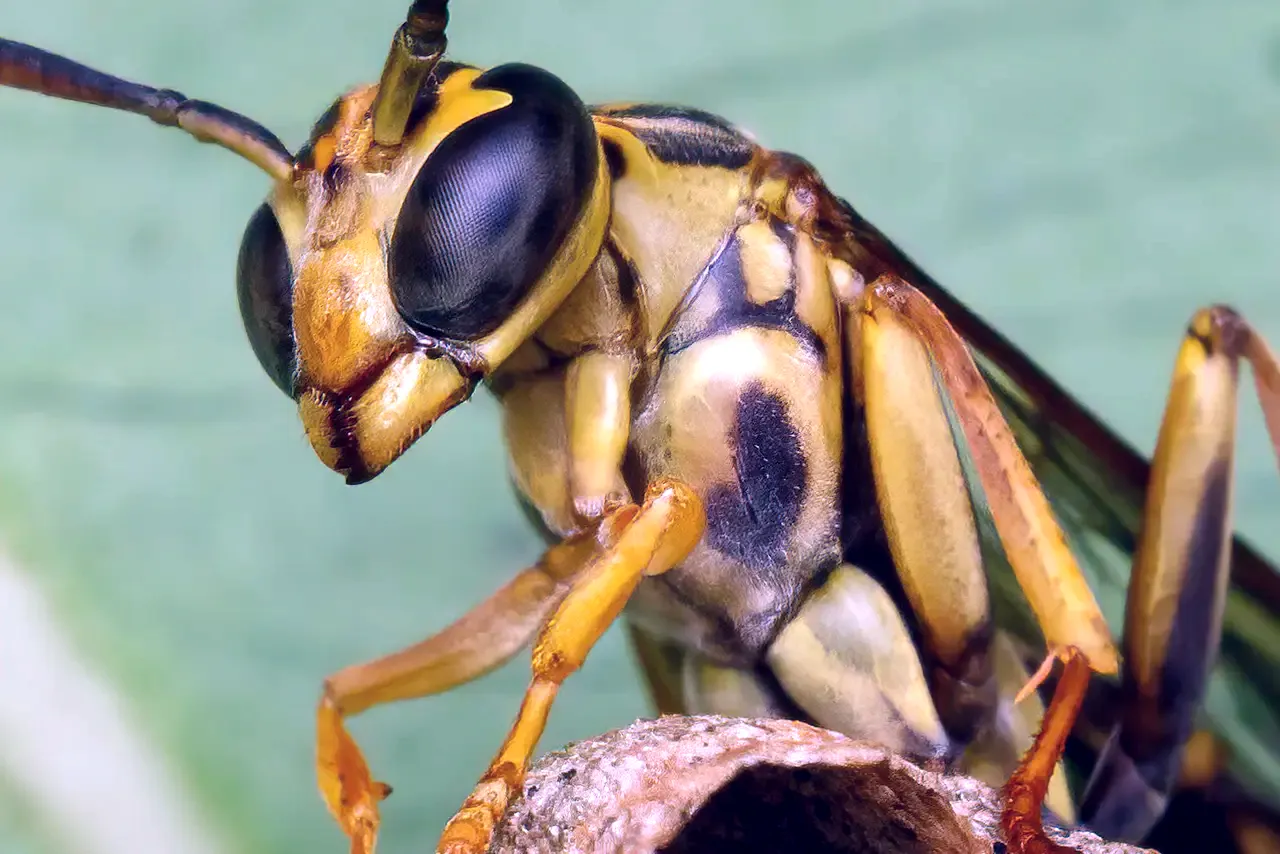
Renters should report the observed location to management, which can coordinate permission to assess balconies, shared eaves or communal paths. Carrollton’s renter-occupancy figure is 41.5% in ACS 2024, but it does not indicate nest prevalence. Ask for dated findings and clear access boundaries at the actual property before any work is arranged.
View service
A later assessment can investigate continuing activity or newly reported comb near an earlier nesting site. AgriLife notes that paper-wasp queens may found spring colonies in the same general location. Ask how the provider distinguishes those findings and whether another visit is included, what it covers and how its timing and charge will be agreed before booking.
View serviceCalling the listed number uses Ringba tracking and routing, and the conversation may be recorded. The independent provider receiving your call discusses the location and proposed assessment. Calls connect 6 a.m. to midnight Central Time (7 a.m. to 1 a.m. during daylight saving time). The LeadSmart form is available at all hours, with its own consent wording and privacy terms.