A referral starting point
Discuss a wasp, hornet or yellowjacket nest.
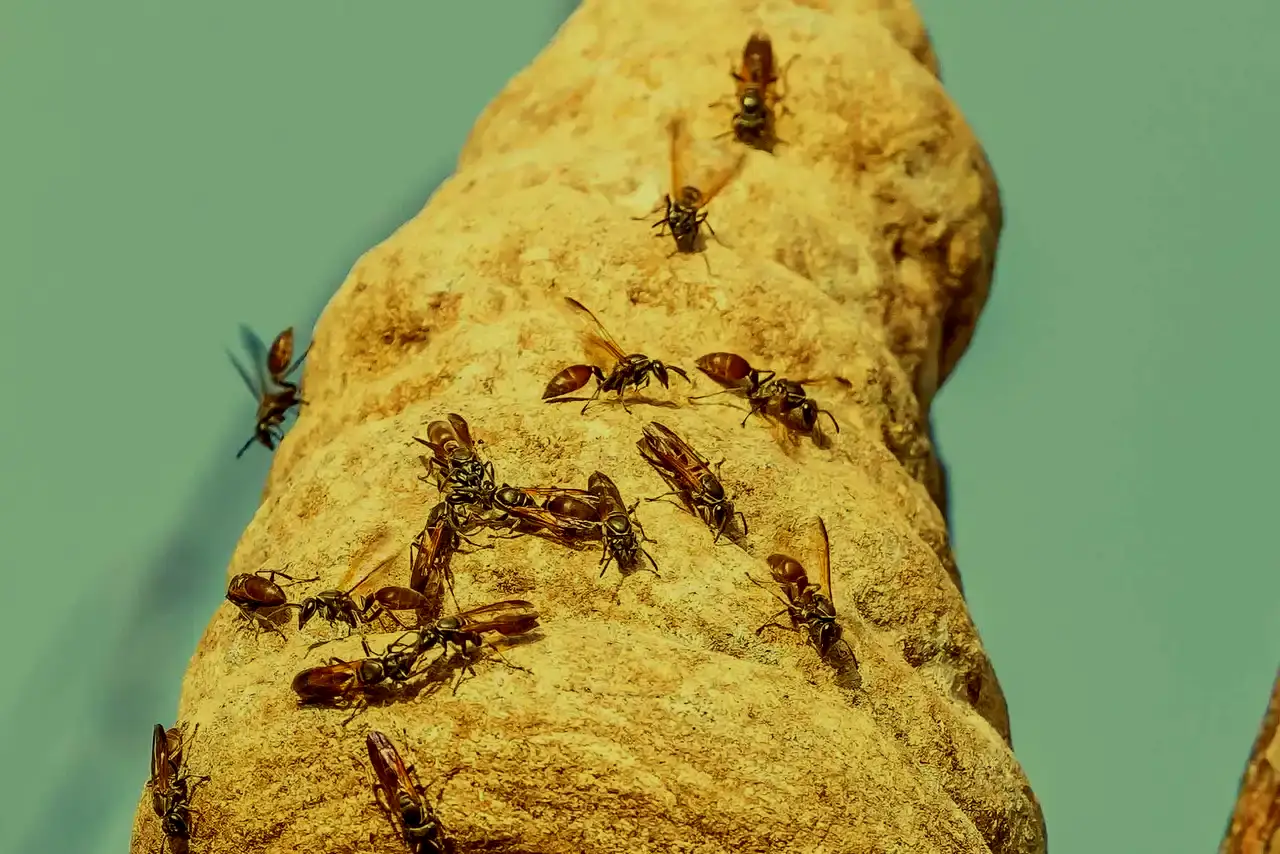
Describe a nest at a Carrollton address to an independent provider through the referral line. Coverage includes 75006, 75007 and 75010. Calls connect 6 a.m. to midnight Central Time (7 a.m. to 1 a.m. during daylight saving time). The embedded LeadSmart request form remains available at any hour.
Discuss a wasp, hornet or yellowjacket nest.
Ask which insect and nest the assessment identifies.
Discuss your address with the receiving business.
Consult TDA’s published current-license lists.
Choose the contact route that suits the request: call during the connection window or use the LeadSmart form at any hour. Calls connect 6 a.m. to midnight Central Time (7 a.m. to 1 a.m. during daylight saving time). Ringba routes the conversation to an independent provider and may record it. Have the Carrollton address and a description of the observed activity ready, including the apparent nest position, approximate height and any restrictions on access. Do not move closer simply to collect those details. Renters should report the location to management so shared spaces can be coordinated. Mention any known sting-allergy concern when discussing the property; seek medical care for a sting reaction rather than using this referral for medical help. The receiving business determines whether it can assess the nest, its appointment availability, the proposed method and the charge. A call or form request does not establish a booking, and hiring remains your choice.
Yes, a new nest can appear nearby even though an abandoned yellowjacket nest is not reused. AgriLife notes that paper-wasp queens can establish spring colonies in the same general location as an earlier nest. Report where fresh comb or repeated activity appears, and ask the provider whether another assessment is appropriate. No particular outcome or period without wasps is promised.
Leave removal to a professional when safe control is uncertain; AgriLife specifically recommends professional handling of established yellowjacket and hornet colonies. You can describe the location and activity from a distance without approaching, spraying or knocking down the nest. Ask the receiving provider how it would assess the insect and access, then obtain its preparation and area-use instructions.
Leave a suspected wall-nest entrance unsealed until the colony has been eliminated. That is AgriLife’s guidance for yellowjacket wall voids. Report the outside opening and any indoor activity to the provider without opening or treating the wall yourself. Ask how the colony will be assessed, who confirms elimination and who will arrange any later repair.
The provider assesses the insect, colony, access and agreed work to determine the amount. Relevant questions include nest count, height, concealed access and whether removal or another assessment is included. Ask for a written proposal specifying those items before authorizing anything. This website provides a referral route and publishes no figures for an individual job.
There is no single month when all Texas wasp activity ends. AgriLife says most yellowjacket nests die after the first hard frost, after an August or September colony-size peak. Paper-wasp queens can overwinter and start colonies in spring. Dallas/Fort Worth’s regional average first freeze is November 22; that regional date does not establish the condition of a Carrollton nest.
Answers to help residents discuss identification, access, seasonal activity and the proposed work.
Discuss your questions