A referral starting point
Discuss a wasp, hornet or yellowjacket nest.
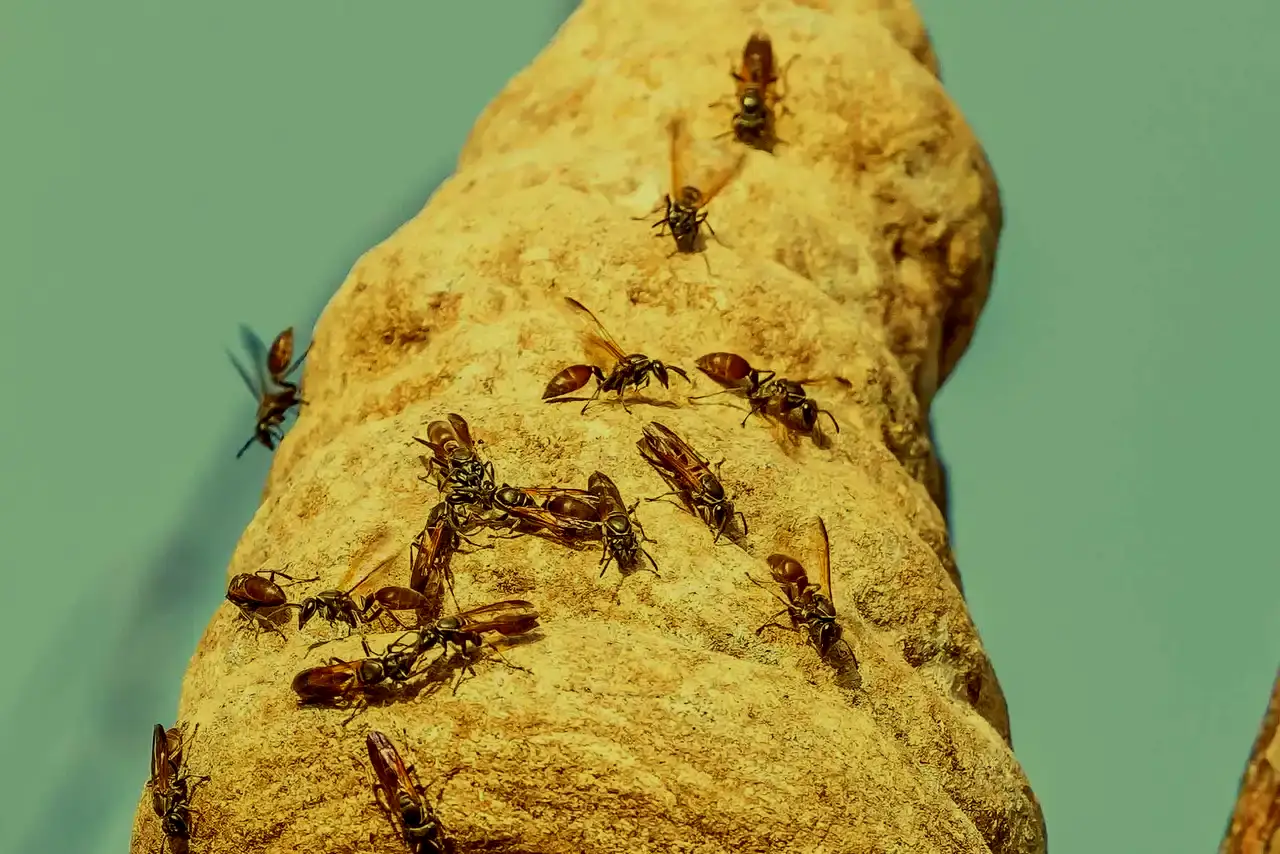
Hornet nest removal in Carrollton, TX calls for confirming what built the enclosed paper nest before planning work. Texas Apiary Inspection Service identifies the baldfaced hornet as a yellowjacket despite its common name. Its enclosed nesting structure differs from exposed paper-wasp comb, and its position can create access questions around trees, shrubs or eaves. AgriLife recommends professional handling of established yellowjacket and hornet colonies. This referral line connects the request with an independent provider, who assesses the insect and location, explains its proposed work and charge, and determines appointment availability. Keep clear while discussing the next step.
Discuss a wasp, hornet or yellowjacket nest.
Ask which insect and nest the assessment identifies.
Discuss your address with the receiving business.
Consult TDA’s published current-license lists.
Ask the provider to explain the full proposal before anyone approaches the enclosed nest. Establish the identification, proposed colony work, restrictions for nearby people and whether accessible inactive material will be taken away afterward. A later assessment and any entrance repair should also have clear terms before you approve the charge.
Describe the enclosed nest’s height, visible opening and surroundings from your existing view. Branches, nearby windows, overhead obstacles and routes underneath can affect the provider’s access plan. Ask how the insect and entrance will be assessed and which space must remain unused during the proposed work.
The outer paper shell is only part of an enclosed nest, so ask how the provider’s proposed method addresses the identified colony. Method and timing belong to that business after assessment. Establish the restrictions for nearby occupants before authorizing work rather than approaching or spraying the shell yourself.
Ask whether removal of accessible inactive material is included. A high tree location may limit reach, so the provider should explain what can be removed. Abandoned yellowjacket nests are not reused under AgriLife guidance; present inactivity still needs confirmation.
After work, ask what entrance activity should be reported and whether nearby eaves or trees belong in another assessment. A dated record should identify the original nest, authorized work and any further observation recommended. Report changes from a distance instead of approaching the enclosed nest to inspect inside.
Establish whether a later check is proposed, what it will assess and whether the amount includes it. Ask how continued entrance traffic or fresh nesting nearby would be handled under the provider’s terms. The referral site supplies no fixed return schedule or outcome.
Share the observed nest location and ask the receiving provider what assessment it proposes.
Hornet nest removal in Carrollton concerns the identified colony as well as the position of its enclosed nest. Baldfaced hornets are yellowjackets, so AgriLife’s recommendation for professional handling of established colonies is relevant. Discuss the height, surroundings and available access with the independent provider. Its proposal should explain the colony work, occupant restrictions, inactivity assessment and any later removal of reachable material. Ask how nearby paths, parking or play spaces will be kept unused and whether additional equipment or another visit changes the scope or charge.
Carrollton’s ACS figures put renter occupancy at 41.5% and 28.6% of housing units in buildings with five or more units. These are housing facts, without establishing where hornet nests occur. At a shared property, a reported courtyard-tree or eave nest may require management to coordinate access and communicate restrictions. At a detached house, give the provider the height, surrounding yard use and obstacles. The actual location determines the assessment and proposal, so ask how the nest would be reached and when the affected space could reopen.
The initial assessment should establish the nest’s position, height, visible size and surrounding access conditions. Ask whether nearby trees, shrubs and eaves will also be checked before the provider defines the work. A documented location and identification give you a clearer basis for discussing the proposed charge.
Obtain the provider’s preparation instructions before the appointment. Ask about keeping children and pets indoors, nearby windows and the route beneath the nest. Leave the enclosed structure untouched and keep others away as directed. An unclear instruction is worth resolving before the work rather than guessing during the visit.
Explain the available space below the nest and any obstacle to reaching it. The provider decides which protective and access arrangements are appropriate, including whether equipment at height is needed. Ask how the area will be kept clear and what residents need to do before arrival.
A hornet-nest proposal should explain colony treatment and when inactivity will be checked. The provider selects method and timing. Clarify whether accessible inactive-nest removal follows under the same agreement and obtain restrictions for nearby occupants before work begins.
Ask how the provider confirms inactivity before taking down accessible nest material. Removal, disposal and a later check may have different terms, so establish the included steps before booking. Also ask what to report if repeated activity remains around the nesting spot afterward.
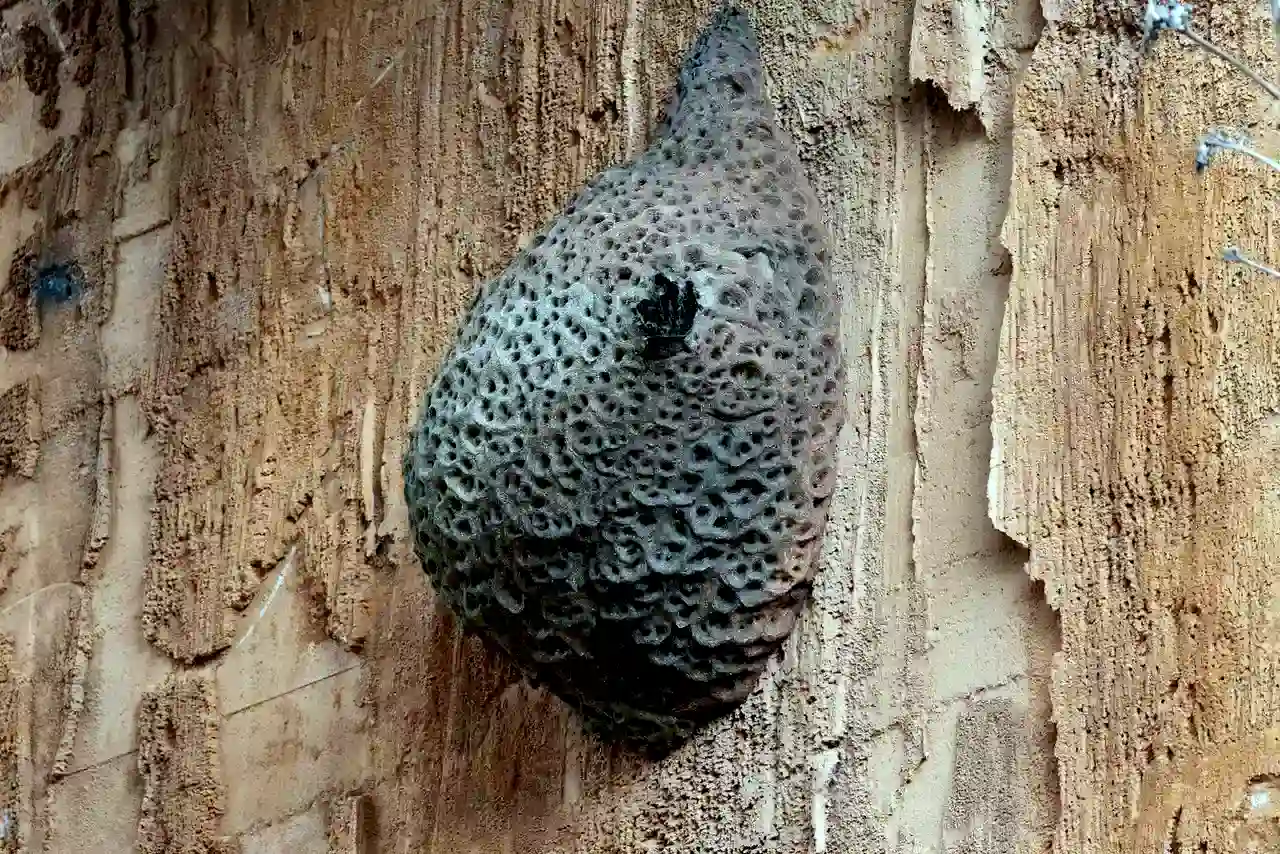
Ask which protective clothing is appropriate for this nest and location, including any suit, veil and gloves. Access at head height or above deserves discussion before anyone prepares the area.
Ask how the provider will reach a high nest and keep people clear. Any proposed ladder access belongs to its site-specific assessment.
For an elevated entrance, ask which access method is proposed and whether it changes the work or charge after assessment.
Binoculars or camera magnification may help a provider assess an overhead entrance from below. Ask whether the identification and nest position can be recorded for you.
Ask how accessible inactive nest material will be contained and disposed of once removal is appropriate, and whether that stage is included.
If branches obstruct the work, ask whether trimming is proposed, who may authorize it and whether removal of accessible inactive material requires a separate arrangement.
Have the provider identify the boundary around the tree or eave, how long it applies and when occupants may return to that location.
Ask how the proposed approach addresses the colony within the enclosed structure and why it suits the identified insect. The provider selects the method and timing after assessment. Clarify which surrounding spaces must remain unused and whether later inactivity confirmation and accessible-nest removal are included in the agreement.
Repeated traffic at the entrance is information to report, not a reason to move closer. Ask how the provider confirms inactivity, when further assessment is appropriate and whether continued activity changes the proposal. Removal of reachable material and any later visit should have agreed terms.
Once inactivity is established, ask which material can be reached and what removal involves. A high or obstructed location may limit access. If material remains, request an explanation and dated findings; AgriLife says abandoned yellowjacket nests are not reused.
If the assessment identifies a yellowjacket entrance into an eave or wall space, ask when repair is appropriate. AgriLife advises leaving a wall entrance unsealed until elimination. Establish how that stage is confirmed and who arranges the subsequent closure.
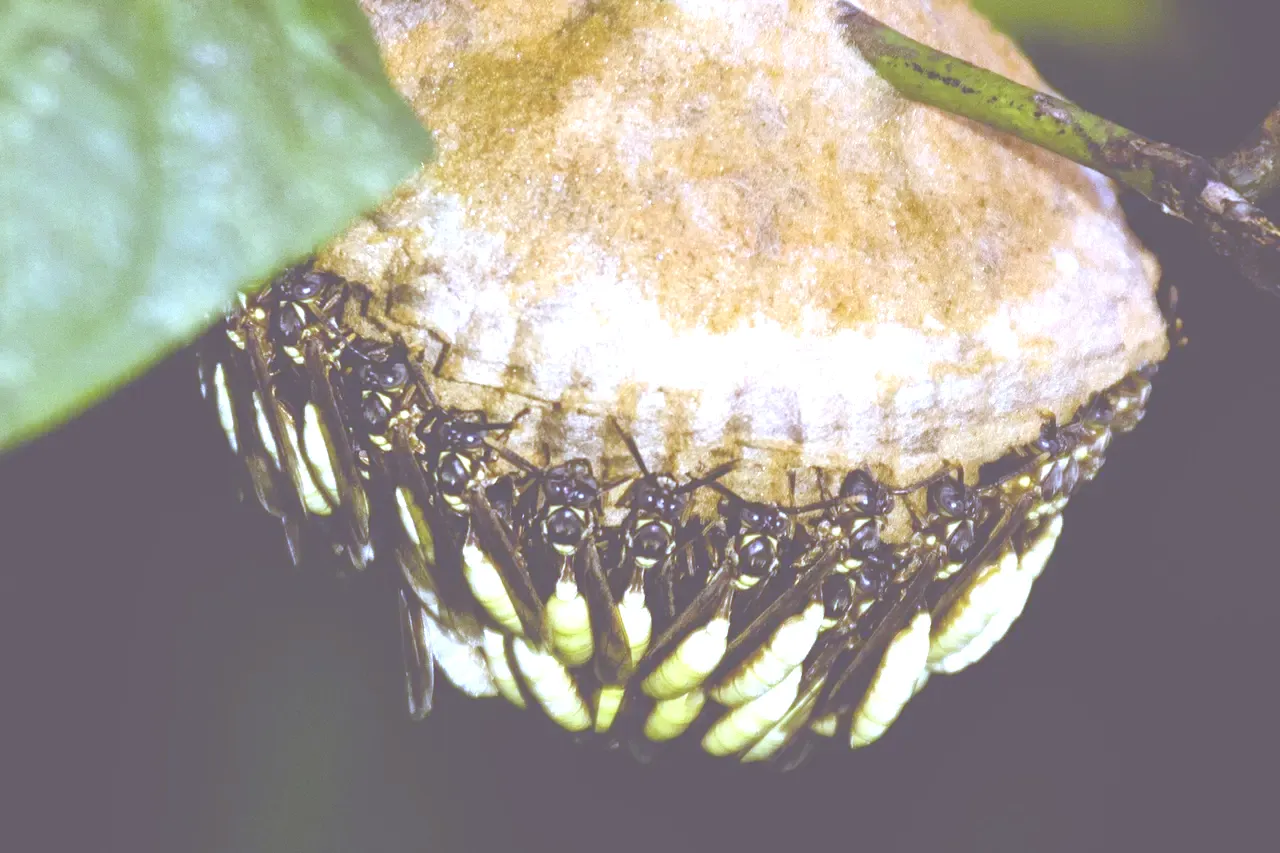
Describe the tree, nest height and any route beneath it when calling. If branches extend over a neighbor’s space or sidewalk, explain that access condition without approaching. The independent provider confirms the insect and proposes its assessment and work. Keep people, pets, mowing and trimming away from the affected area while seeking advice. Ask what permissions, restrictions and accessible inactive-nest removal are included.
A nest between properties or above communal space may require permission and access coordination before assessment. Discuss the position with management or the relevant owner. Ask the provider which sides must be reached, how residents will receive keep-clear instructions and whether the proposal includes any later removal or assessment.
A nest concealed within a hedge can sit close to a route people use. Keep that section unused and describe the vegetation and entrance to the provider. Ask whether the colony can be assessed in place, what access is needed and whether inactive material would later be removed.
For an occupied facility, explain the nest location, operating hours and entrance use to the provider. Ask whether adjoining trees or building edges need assessment and which route visitors can use during the proposed work. Management can coordinate permission and notices. The provider determines availability, the method and restrictions for reopening the affected space.
Carrollton’s housing context includes a median construction year of 1988, with 26.0% built before 1980 and 15.6% from 2010 onward in ACS 2024. Renters occupy 41.5% of occupied homes. Those figures do not establish the location or frequency of hornet nests. At a specific courtyard tree or shared eave, management may arrange access and notify residents about restrictions. Give the provider the observed position, height and surrounding routes. AgriLife places yellowjacket colonies, including baldfaced hornets, at their largest size by August or September and says most nests die after the first hard frost. Dallas/Fort Worth’s November 22 average first freeze is regional context rather than a Carrollton date. The independent provider assesses activity and determines its work and appointment availability. Ask what the written proposal includes before authorizing any work.
Josey Ranch, Country Place and Carrollton Downs are verified in 75006. Mention whether the nest overlooks a porch, public-facing doorway or regularly used path when discussing access restrictions.
Rosemeade, Highlands of Carrollton and Oak Creek Estates are verified in 75007. Describe the space beneath the nest and its use when arranging assessment.
Nob Hill and Woodlake are verified Carrollton neighborhoods in 75007. Give the address and reported nesting position when discussing assessment.
Austin Waters is verified in Carrollton ZIP 75010. Give the exact property address and nest position so the provider can discuss the assessment and any access requirements.
AgriLife places maximum yellowjacket colony size in August or September, followed by new queens and males in October and November. Describe the nest you observe; season alone does not establish its activity or identity.
An overhead nest can affect a communal path or several doorways. Ask management to coordinate access and distribute the provider’s instructions, including which route residents should avoid during the work.
For an elevated nest, ask how the provider will reach the location and confirm inactivity. Any ladder, lift or extension arrangement belongs to the site-specific proposal, together with removal and later assessment terms.
AgriLife describes most yellowjacket nests dying after the first hard frost without reuse of abandoned nests. The November 22 average first freeze belongs to regional Dallas/Fort Worth data, not a site-specific inactivity test.
Illustration: a renter in Rosemeade, 75007 sees an enclosed paper nest beside an upper-floor window and shared parking route. The renter keeps clear and reports the location to management, which can coordinate an assessment, access permission and instructions for nearby residents.
The provider can assess the nest from an appropriate position, confirm the insect and explain the proposed work. Management coordinates access and resident instructions. Ask whether reachable inactive-nest removal and another assessment are included rather than assuming one visit completes every stage.
Afterward: Ask about resident notices for the tree location, assessment of nearby eaves and whether another check is proposed under the provider’s terms.
Illustration: a homeowner in Josey Ranch, 75006 finds an enclosed nest beneath the patio eave where the household’s young child plays. The homeowner leaves the patio unused and asks the provider about identification, assessment and the proposed restrictions.
The homeowner can ask which insect was identified, why the proposed method suits it and when the patio can reopen. Also establish whether reachable inactive nest material will be taken away and whether another assessment carries a separate charge.
Afterward: Clarify the roofline assessment, how inactivity is established before removal and whether another visit is included in the provider’s proposed charge.
Illustration: a property manager in Josey Ranch, 75006 receives reports of insects around a shared side yard and sees an enclosed nest in the hedge. The manager keeps residents clear and arranges access for assessment.
Ask whether the assessment includes the hedge and adjoining building edges, what work is proposed and when residents may use the side route again. Removal of inactive material and any later check should be explained before approval.
Afterward: Management can retain dated findings and circulate the provider’s instructions for the affected yard and access route.
These hypothetical situations describe enclosed nests near everyday household routes and shared outside areas. Use them to prepare questions about identification, access and proposed work; they report no customer experiences.
A nest above an entrance can place the colony close to everyday movement. Keep that route unused where possible and avoid disturbing the structure, door or nearby vegetation to investigate. Tell the provider how the doorway is used, ask which access arrangement is appropriate and clarify the proposed work, restrictions and reachable inactive-nest removal before approving it.
A nest beside a play set or trampoline warrants keeping that part of the yard unused while seeking professional advice. Describe the location and nearby trees to the provider without going closer. Ask whether surrounding nesting spaces will be assessed and when children may use the area again.
Seek medical care for a sting reaction, with emergency medical assistance for a severe allergic reaction. This referral line is for discussing a property’s nest rather than receiving medical treatment. Mention any known sting-allergy concern when speaking with the provider, and obtain clear instructions for keeping the affected area unused during assessment and work.
An enclosed paper structure and exposed paper cells are different identification clues, but leave confirmation to the provider. The baldfaced hornet is a yellowjacket despite the common name. Honey bees use wax comb and require a separate referral through the Texas Apiary Inspection Service beekeeper list because this offer excludes honeybee work. Describe the visible location without approaching or spraying it.
The independent provider’s assessment defines the work and charge
The provider determines its charge for the identified nest and agreed work; this website supplies no figures. Ask how the height, surrounding obstacles, colony development and number of nests affect the proposal. A hedge-level structure and one high in a tree can have different access requirements. Establish whether the amount includes assessment, colony work, reachable inactive-nest removal, disposal and another check. If an item has separate terms, have them explained before booking. Your decision to hire follows that discussion rather than a cost or result promised by the referral.
Clarify whether the proposal covers the assessment, colony work, removal, disposal and another check. If height or branch access changes the scope, ask for that item to be explained before agreeing to the charge.
Nest height can change the access plan and work proposed. Describe a low hedge location or upper-floor eave accurately, then ask the provider which equipment or setup is needed and whether it affects the charge.
Explain obstacles such as dense branches, fencing, uneven ground or nearby overhead lines when discussing access. The provider decides the appropriate approach. Ask which preparation is needed and whether the constraints affect the proposal; do not clear vegetation beside an active nest yourself.
Ask how the scope changes if assessment identifies another nest at a nearby tree or eave. At shared premises, management should coordinate permission and access, and any additional work or charge needs explanation before approval.
An established colony and a small developing nest can lead to different proposals. Discuss how the findings affect the work, and ask whether inactive-nest disposal is included or arranged separately.
Describe parking restrictions and the route equipment would need to take through the property. If you request a particular appointment window, ask whether that or the access arrangements affect the charge before booking.
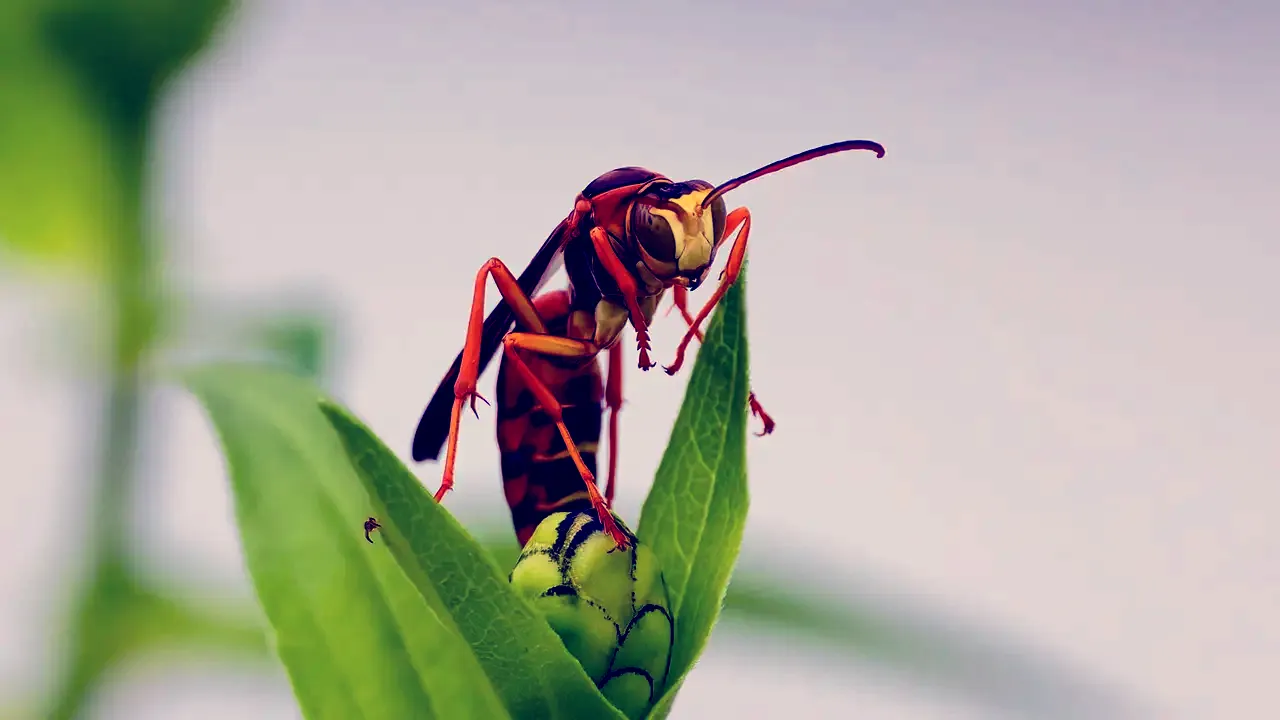
Before hiring, request relevant details from the independent provider and consult TDA’s current-license lists for structural pest control. The website performs no nest work and does not verify or endorse that business. Texas Apiary Inspection Service identifies the baldfaced hornet as a yellowjacket, while AgriLife recommends professionals for established colonies. Discuss the actual nest height and access at the Josey Ranch, Rosemeade or other covered Carrollton property. Obtain the proposed work, occupant restrictions and charge before deciding whether to proceed.
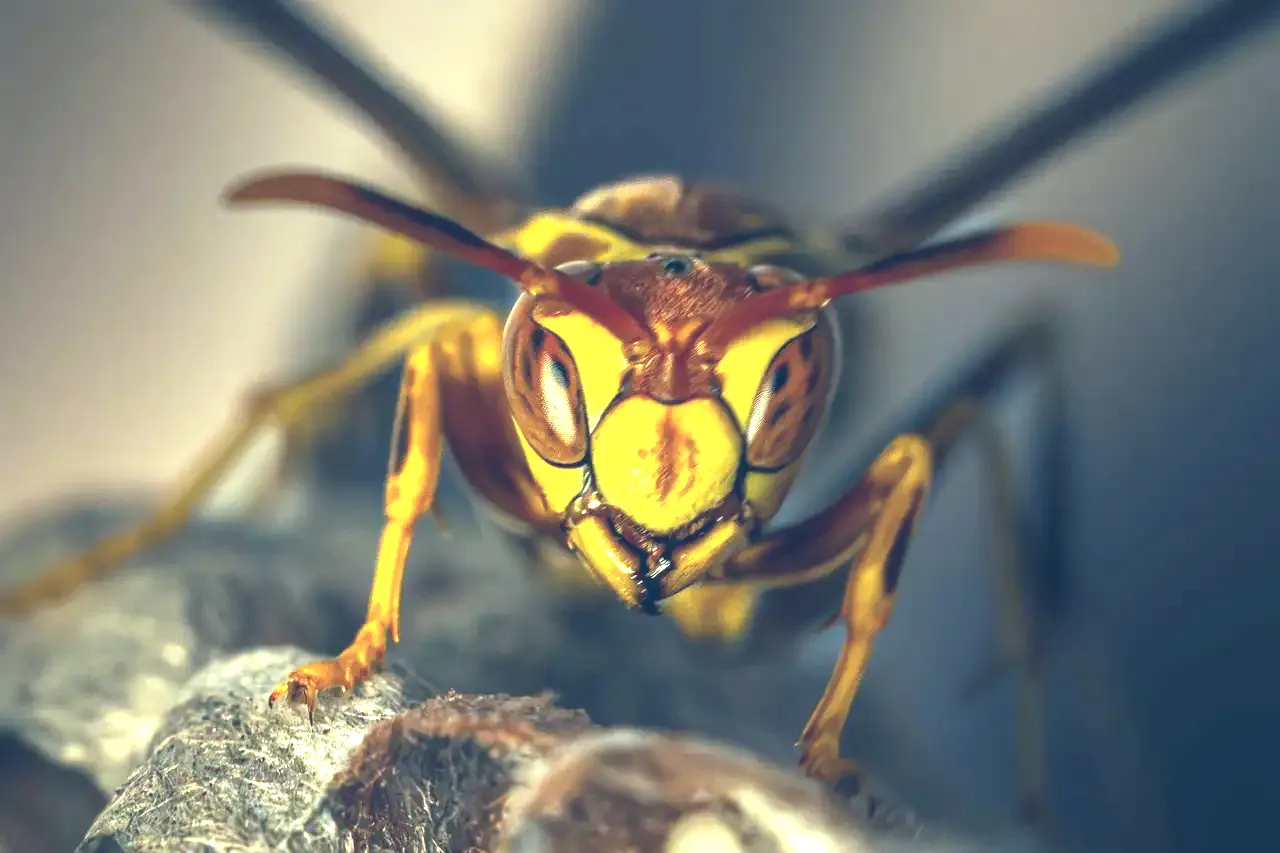
Illustration: a homeowner in Josey Ranch, 75006 notices a large enclosed nest in the front-yard tree after a paper-wasp problem near the eaves the previous year. The homeowner asks the provider to identify the present insect, explain the proposed colony work and clarify reachable nest removal. The household keeps clear and follows site-specific instructions rather than assuming the earlier work applies.
Illustration: a property manager in Josey Ranch, 75006 receives reports near a shared side yard and asks the provider to assess an enclosed nest. Management can coordinate access and notices, then retain dated findings. The work proposal should explain nearby assessment boundaries and whether another check is included before approval.
Illustration: a renter in Rosemeade, 75007 sees an enclosed nest in the tree outside an upper-floor window. The renter reports the location in writing to management and keeps clear. The independent provider can confirm the insect and explain access, proposed work and occupant restrictions, with management arranging any needed permissions.
The baldfaced hornet is actually a yellowjacket, according to the Texas Apiary Inspection Service. Its enclosed paper nest differs from the exposed cells of paper-wasp comb. Ask the provider to confirm the insect rather than approaching for a closer look. AgriLife recommends professional handling of established yellowjacket and hornet colonies, making identification part of a considered assessment rather than a reason for personal investigation.
The provider estimates duration from the nest’s height, access, development and the number of locations included. Work around an elevated nest may require setup before the colony is addressed, and accessible nest removal may be a later step. Describe the site and ask for the expected sequence and timing directly; the referral line makes no appointment-duration promise.
An abandoned yellowjacket nest is not reused, but new nesting can occur nearby later. Baldfaced hornets are yellowjackets, and AgriLife says most yellowjacket nests die after the first hard frost. Ask the provider what current observations mean and what changes justify reassessment, rather than assuming the season proves inactivity.
The independent provider sets the cost from the actual assessment and proposed work. Height, access, colony development, nest count and any later check may affect the proposal. Ask whether accessible inactive-nest removal and disposal are included, and obtain the scope and amount before deciding to hire. This referral website supplies no figures for the individual job.
Discuss any remaining questions about your building’s nest, access and proposed work with the independent provider receiving your call.
Discuss your questionsIdentification and location come before a removal proposal. Ask the provider which nests were found at the eaves, trees, shrubs or ground, and use the Texas Apiary Inspection Service beekeeper list if the insects are honey bees.
View service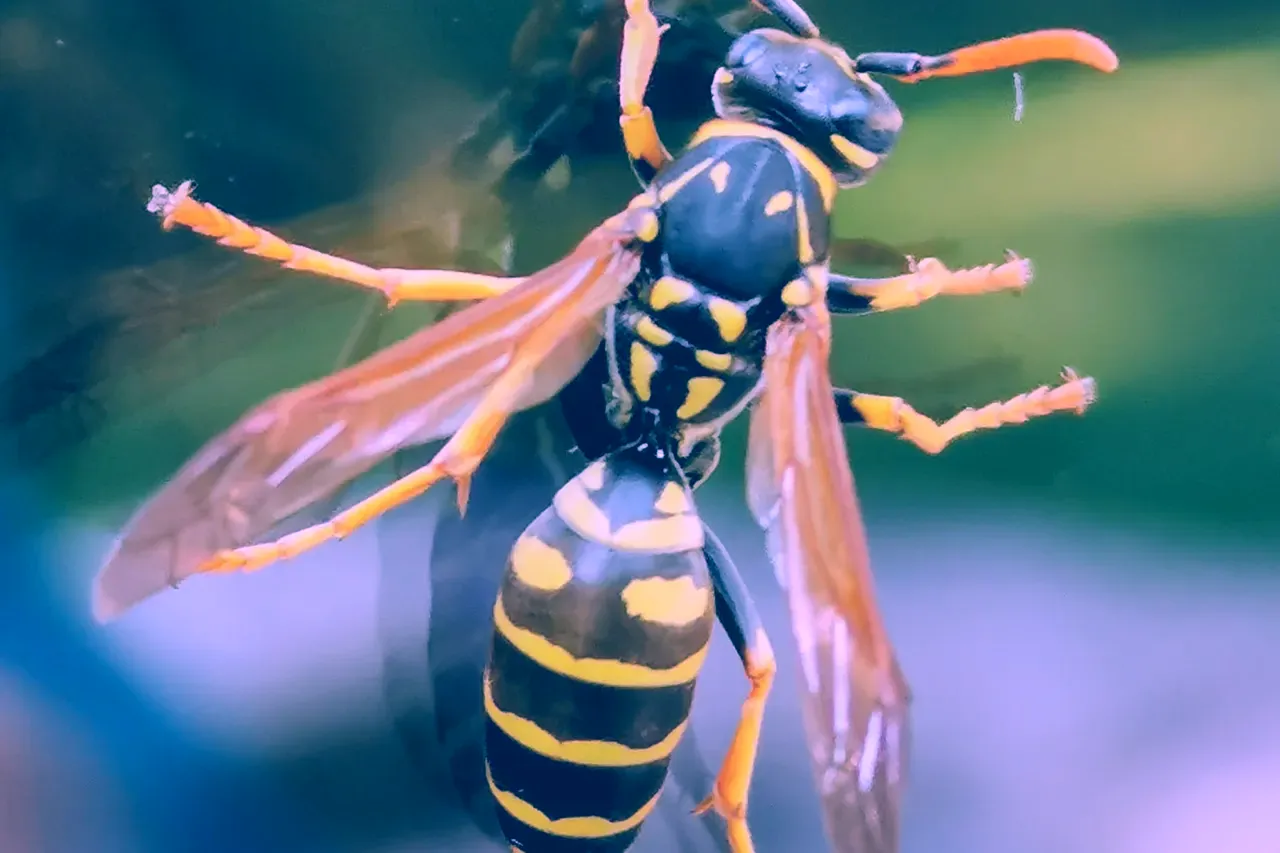
Yellowjackets usually nest underground but can use walls or aerial sites. Discuss identification and access with the provider. AgriLife advises leaving a wall entrance unsealed until elimination and places maximum colony size in August or September.
View service
At a shared building, management can coordinate access to reported trees, balconies and breezeways. Tenants should report locations and dates in writing. Carrollton’s ACS figure of 28.6% of units in buildings with five or more supplies housing context rather than evidence of nest prevalence.
View service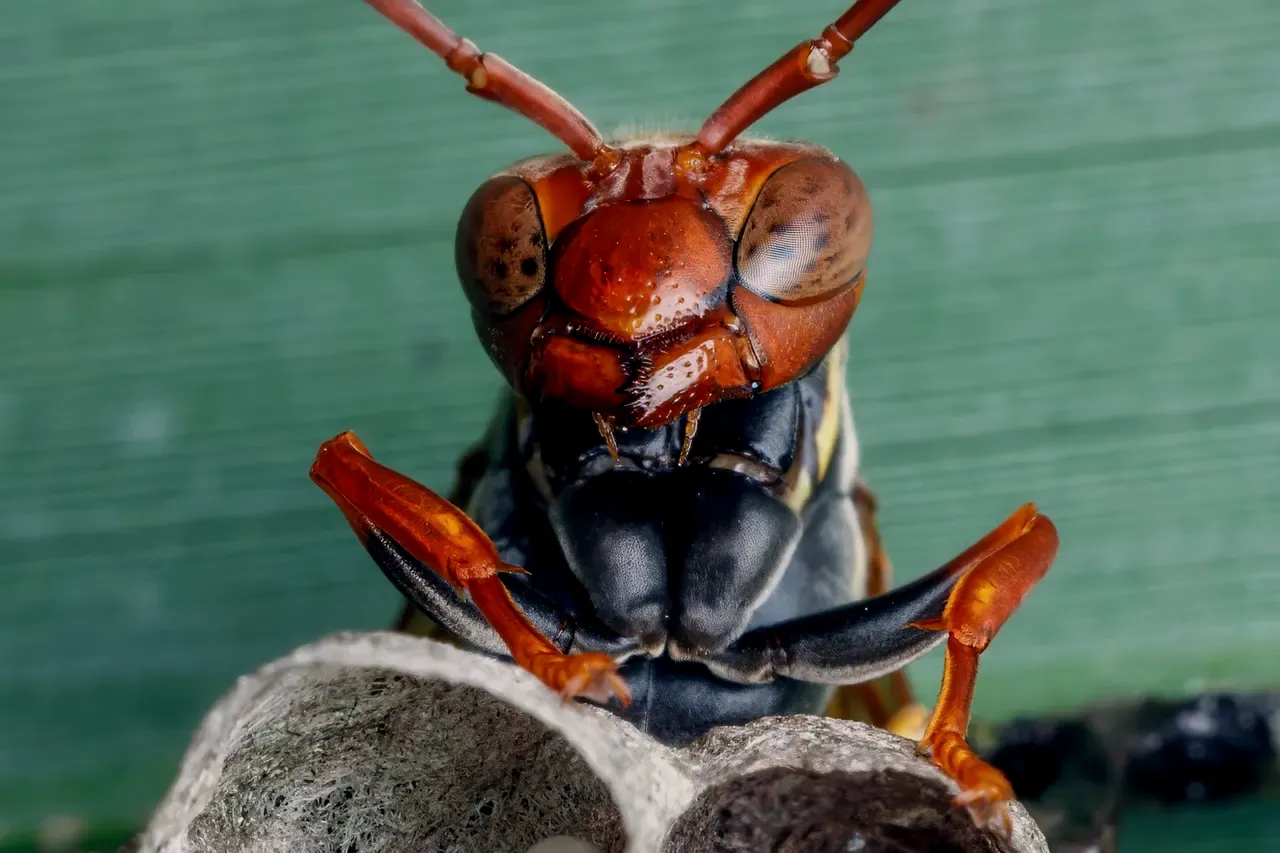
A further assessment can compare earlier findings with current activity and fresh nesting nearby. Spring paper-wasp queens may choose the same general location. Ask whether a later check is included and which observations warrant contacting the provider.
View serviceCalling the listed number uses Ringba tracking and routing, and the conversation may be recorded. The independent provider receiving your call discusses the location and proposed assessment. Calls connect 6 a.m. to midnight Central Time (7 a.m. to 1 a.m. during daylight saving time). The LeadSmart form is available at all hours, with its own consent wording and privacy terms.