A referral starting point
Discuss a wasp, hornet or yellowjacket nest.
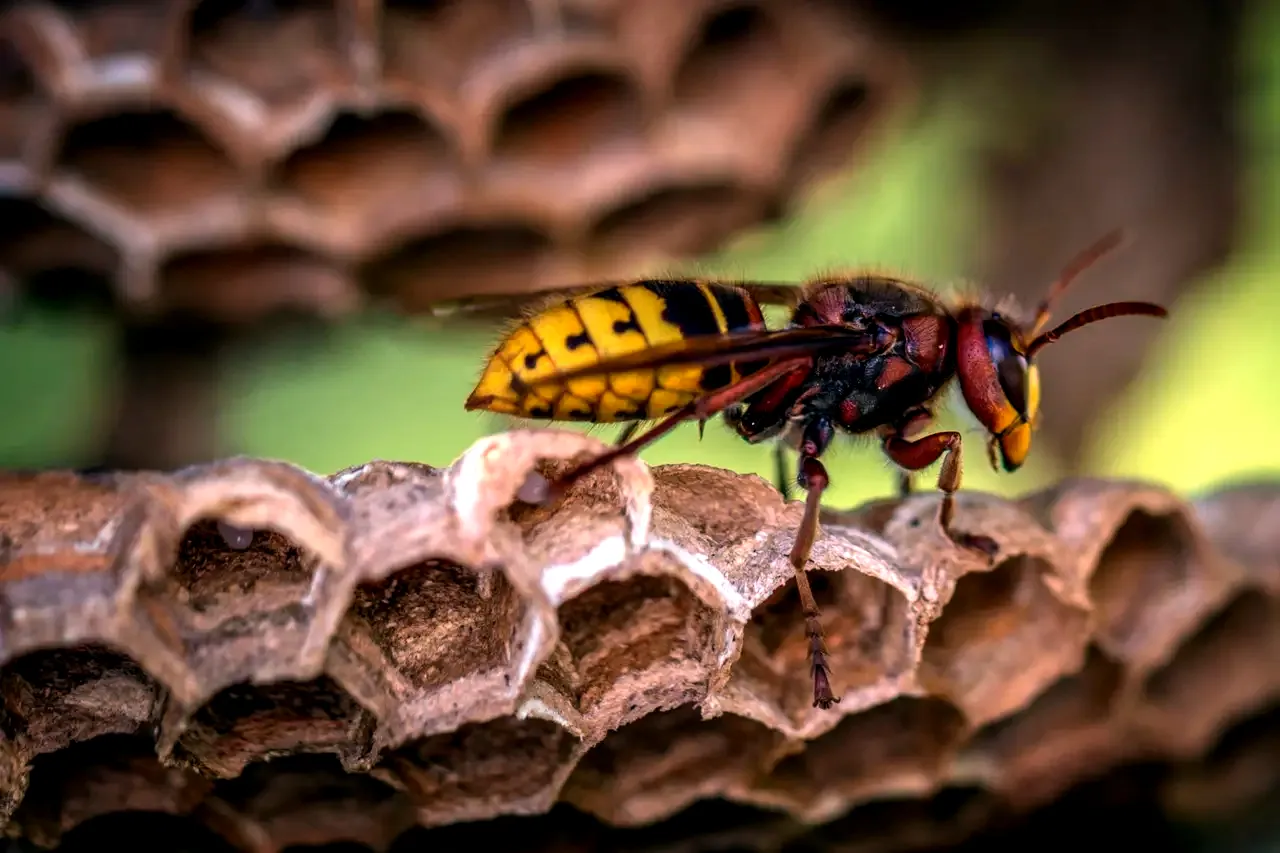
Yellow jacket nest removal in Carrollton, TX begins with establishing the colony’s location, which may be concealed below ground or behind a wall surface. Report repeated movement through a lawn opening, planting bed or siding gap without approaching. AgriLife places peak colony size in August or September, so the season is useful context but cannot establish the nest’s present condition. Keep people, pets and mowing away while discussing an assessment. This referral line reaches an independent provider serving Carrollton. That business identifies the insect, explains its proposed work and charge, and determines which appointment it can offer. You decide whether to authorize the proposal.
Discuss a wasp, hornet or yellowjacket nest.
Ask which insect and nest the assessment identifies.
Discuss your address with the receiving business.
Consult TDA’s published current-license lists.
Before accepting yellowjacket work, establish where the colony is and which parts of the property are included. The following questions distinguish assessment, treatment, later inactivity checks and any entrance repair, especially where a wall or several buildings are involved.
Ask the provider to connect observed flights with the actual nest entrance and check relevant lawn, foundation, siding or eave locations. The assessment should establish the insect, position and identified colonies before work is proposed. A busy opening alone does not settle the full scope.
Discuss the proposed application point and method with the independent provider. Explain nearby doors, pools, planting beds and play spaces, then ask which restrictions are required and when people and pets may use the affected area again.
A yellowjacket wall entrance should remain unsealed until the colony is eliminated under AgriLife guidance. Blocking it prematurely can redirect insects, including toward the interior. Ask the provider how it assesses the colony and confirms when any later closure is appropriate.
A small hole in lawn, a planting bed or a bank may lead to a yellowjacket colony. Keep people and mowing away while the provider identifies the entrance and proposes an approach.
Ask whether the proposal includes another assessment after the first work, when it would happen and what the provider does if repeated movement through the opening continues.
Share the observed nest location and ask the receiving provider what assessment it proposes.
Yellow jacket nest removal in Carrollton involves locating and assessing the colony before a provider proposes treatment or entrance work. Repeated flights may lead to an opening in lawn, a planting bed, siding or another concealed space; yellowjackets can also have aerial nests. Ask how the insect and nest position were confirmed and what the agreed scope includes. The independent provider selects the method and visit timing, explains occupant restrictions and decides whether accessible inactive material can be removed. A wall opening needs particular care: AgriLife advises against sealing it until the colony has been eliminated. Establish how that stage will be confirmed, whether another assessment is included and who handles any later repair before authorizing work.
AgriLife describes yellowjacket colonies reaching their greatest size by August or September, followed by new queens and males in October and November. Those seasonal facts do not establish how many nests occur in Carrollton or when a particular property needs work. For an address in 75006, 75007 or 75010, provide the location and what you have observed: a ground opening, wall gap or aerial site. Josey Ranch and Rosemeade are verified Carrollton neighborhoods, but the provider still needs the precise address and access details. This page helps you discuss identification, why a wall entrance remains unsealed before elimination and what any proposed visit includes.
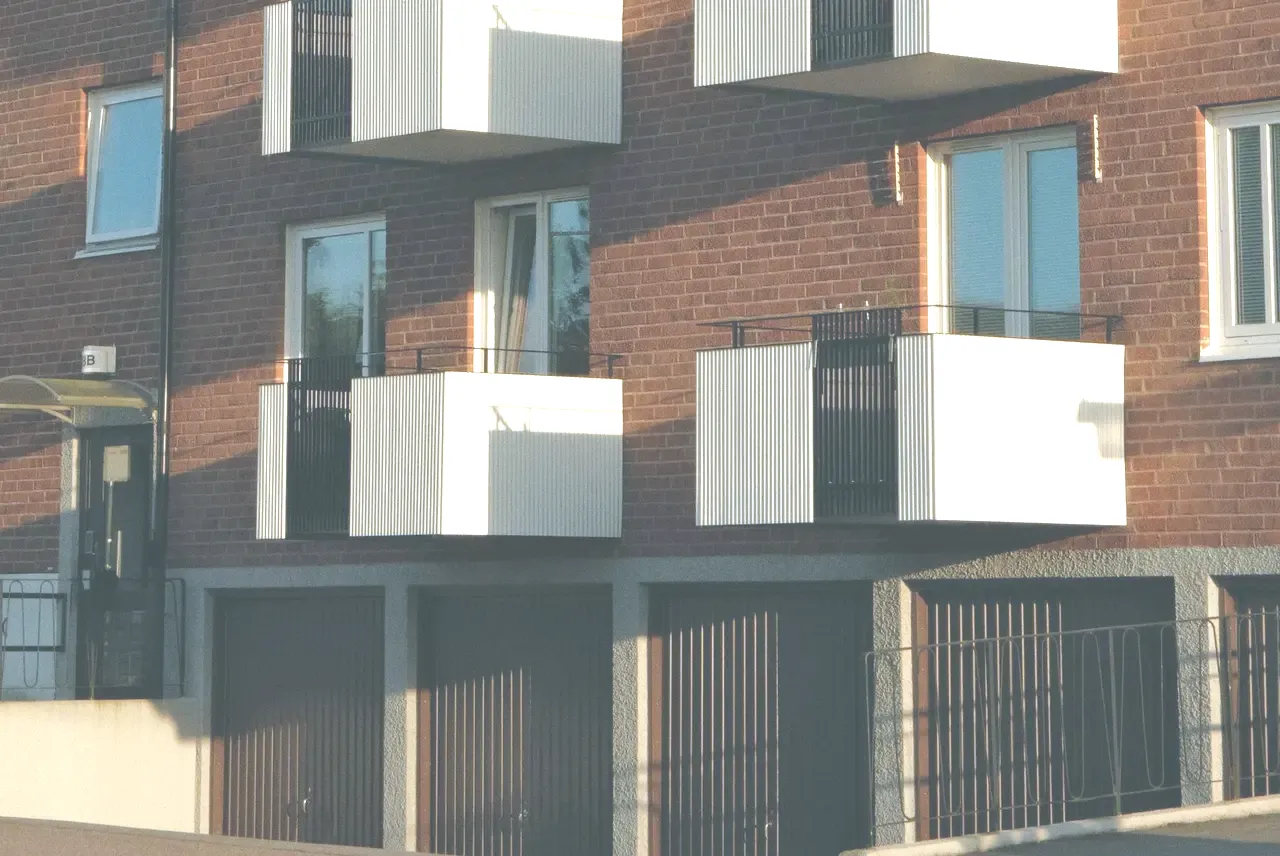
The assessment should establish the insect and link repeated flight activity to the actual colony. Describe observations at lawn openings, beds, foundation gaps, siding, soffits and eaves. Ask whether relevant adjoining locations will be checked, how a suspected concealed nest is confirmed and whether further access or neighboring-property permission is needed before work is proposed.
Leave the entrance undisturbed and keep people and pets away while arranging assessment. Do not pour material into a hole, block it or attempt another spray. Record the location and observation time from your existing view. Explain any known sting-allergy concern and access limits to the provider before agreeing to the visit.
Ask the provider to explain the proposed treatment and timing for this entrance. If it leads to a wall colony, AgriLife advises leaving it unsealed until elimination. Confirm the occupant restrictions and when the affected area can be used again before work begins.
Ask what activity should be reported afterward and how long observations are useful. Record repeated entrance movement from a distance. The provider should distinguish continuing colony activity from other returning insects and explain whether reassessment is appropriate.
If repeated activity continues, ask the provider about reassessment under the agreed terms. Clarify how elimination is confirmed and what happens to accessible inactive material. Wall-entrance closure follows elimination; establish who arranges repair and whether it is charged separately.

Discuss any proposed liquid or dust application near doors, gardens and play spaces. Obtain location-specific restrictions from the provider before authorizing the work.
Ask what protection the provider will use near the active colony, including any suit, veil or gloves. Protective equipment is a professional planning question, not a reason to approach the nest yourself.
Some providers use thermal imaging for suspected wall colonies. Ask how the indicated location is confirmed before any work is proposed.
Repeated flights into one small opening can help locate a yellowjacket colony. Describe that route from your existing view; the provider can assess the entrance without you moving closer.
The provider selects the visit time after discussing the site. Ask whether an early or evening appointment is appropriate and which restrictions apply before, during and after the work.
Ask how inspection, targeted work, accessible inactive-nest removal and subsequent assessment fit together. Entry-point repairs also need appropriate timing, particularly when a wall entrance remains active.
An aerial nest may be removable once inactive; a concealed nest can present different access questions. Discuss disposal separately and remember that AgriLife says abandoned yellowjacket nests are not reused.
For a yellowjacket wall colony, elimination should precede sealing under AgriLife guidance. Ask who confirms inactivity, who closes the entrance afterward and whether that repair forms part of the proposal.
A ground-nest exclusion area should follow the provider’s advice. Ask whether a marker is appropriate, where people should keep clear and who confirms when normal yard use can resume.
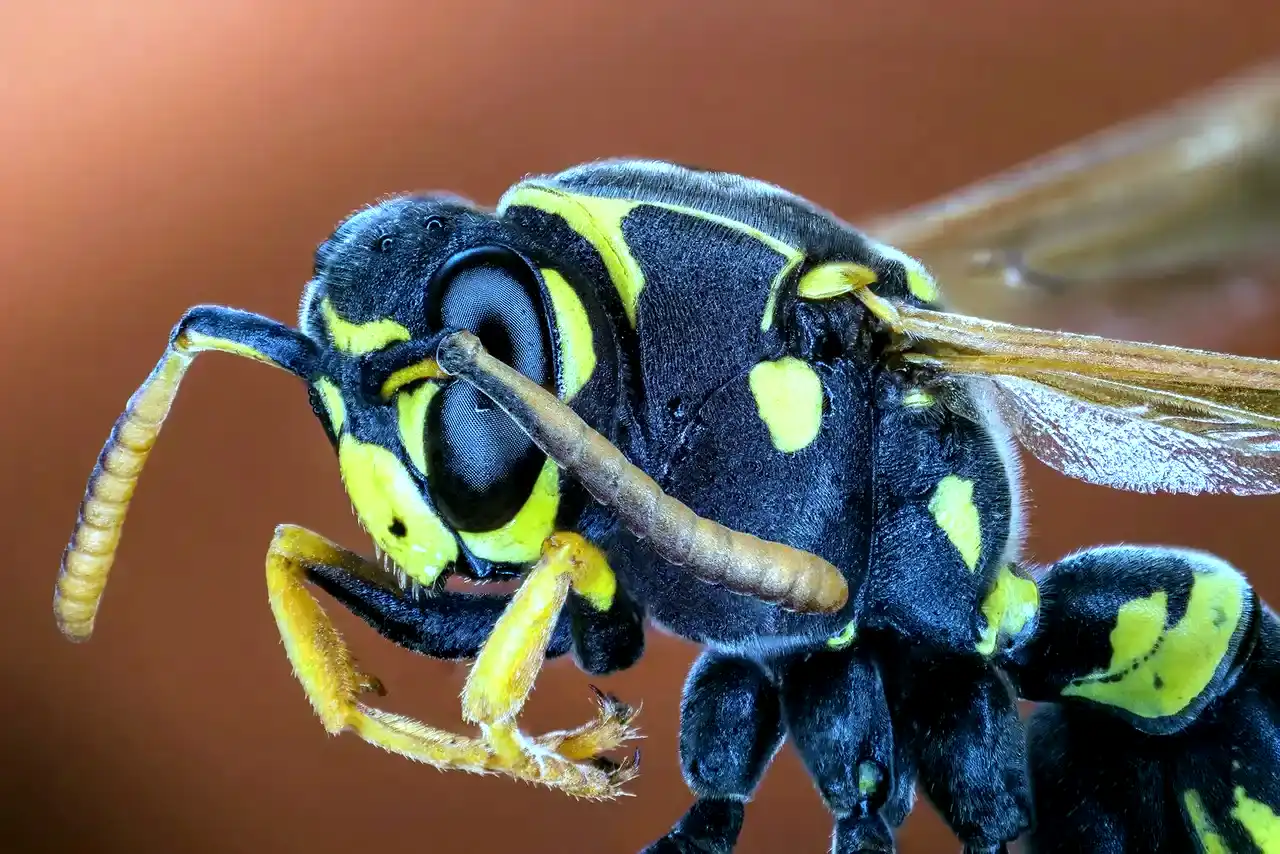
Report the balcony-side opening to management in writing, with dates and any distant photograph. Management can arrange outside-wall access. The provider identifies the insect and proposes work. For a yellowjacket wall colony, ask how elimination is confirmed before sealing, and retain the findings and any recommendations for adjoining spaces.
Keep the ground location unused and describe the entrance to the provider. Ask which areas require assessment and what restrictions are proposed. Seek medical care for sting reactions, including emergency assistance for a severe reaction; agree any further check directly.
Describe buzzing and the outside opening without opening or treating the wall. Ask how the colony will be identified and which access is needed. AgriLife advises leaving a yellowjacket wall entrance unsealed until elimination; discuss confirmation and later repair separately.
Explain the entrance’s operating hours and how customers and staff use the route. Ask the provider when assessment and any work can occur, what is proposed near the doorway and which restrictions apply. Obtain dated findings for the business records and clarify any further assessment; appointment availability and reopening instructions come from the provider.
Carrollton’s housing information provides context without predicting nest locations. ACS 2024 gives a median construction year of 1988, with 26.0% built before 1980 and 15.6% built in 2010 or later. Renters occupy 41.5% of occupied homes; 35.9% of housing units are in buildings with two or more units. At an individual house or shared building, describe the actual lawn entrance or wall gap and the access available. A Josey Ranch address is in 75006, while Rosemeade is in 75007; the referral also covers 75010. Management can coordinate assessment of shared outside walls and communal paths. AgriLife places the yellowjacket colony-size peak in August or September and says most nests die after the first hard frost. Dallas/Fort Worth’s regional average first freeze is November 22, but that does not prove a Carrollton colony is inactive. Discuss the observed activity with an independent provider, verify its details against TDA’s current-license lists and agree the work and charge before authorizing a visit.
Josey Ranch is verified in Carrollton ZIP 75006. Describe any ground entrance near a fence or foundation, along with observations at siding or trim, without assuming all are connected.
Rosemeade is verified in Carrollton ZIP 75007. Describe whether the observed entrance is in lawn, a bed or siding; the provider should establish its location before selecting an approach.
Austin Waters, Arbor Creek, Mustang Park and Hillcrest Estates are verified in 75010. Tell the provider which yard, deck or play-space location needs assessment and how access is arranged.
Nob Hill and Highlands of Carrollton are verified 75007 neighborhoods. Give the exact address and describe the nesting site rather than assuming conditions are shared across nearby properties.
ACS 2024 places 28.6% of Carrollton housing units in buildings with five or more units. For a communal wall or breezeway report, ask which neighboring spaces need assessment and who grants access.
Housing age does not determine whether a colony is present. At a reported siding or soffit opening, ask the provider to establish the insect and location. Leave a yellowjacket wall entrance unsealed until elimination.
AgriLife places peak yellowjacket colony size in August or September. Avoid mowing or trimming around a suspected ground opening while an assessment and appropriate work are being arranged.
Most yellowjacket colonies die after the first hard frost, according to AgriLife. Dallas/Fort Worth’s regional average first freeze is November 22; neither fact confirms that a particular nest is inactive.
Illustration: a homeowner in Josey Ranch, 75006 notices insects repeatedly entering a gap near the outside wall. Instead of closing it, the homeowner seeks identification and asks how a concealed colony would be assessed before any repair is arranged.
An assessment can establish the colony’s location and proposed method. For a wall nest, ask how elimination will be confirmed before the opening is sealed and whether another visit is included.
Afterward: Keep clear of the outside wall opening and report dated activity observations to the provider. Closing the entrance should wait until the colony has been eliminated; agree who handles that later step.
Illustration: a property manager in Josey Ranch, 75006 receives a ground-nest report near a rental building’s shared fence and needs the provider’s assessment, access requirements and keep-clear directions communicated to residents.
Ask the provider which colonies were found and what each proposed item covers. Nest count and access can affect the work, so retain the scope and charge before granting approval.
Afterward: Follow the provider’s restrictions around the marked location until its instructions permit normal use. Future repeated activity at a ground opening should be reported from a distance with the observation date.
Illustration: a renter in Rosemeade, 75007 hears buzzing near an outside wall and notices insects at a siding gap, then reports both observations to management without disturbing the opening.
Ask how the provider will assess the outside entrance and establish whether the colony has been eliminated. AgriLife advises against sealing a yellowjacket wall opening before that has happened.
Afterward: Leave the wall opening undisturbed during assessment. After elimination is confirmed, agree who arranges repair. Report later activity from a distance without assuming a familiar gap always contains an active colony.
A ground or wall nest is an assessment question, not evidence of property neglect. These hypothetical situations help frame questions about the observed entrance, access and work; they do not describe Carrollton call statistics.
If mowing or trimming reveals a suspected ground nest, stop using that area and keep others away. Do not return to finish the yard work or disturb the hole. Describe the entrance and activity to the provider, and ask which surrounding areas require assessment. Seek medical care for sting reactions and emergency medical assistance for a severe reaction. The provider determines the proposed work and restrictions before the location is reopened.
A suspected colony in a shared wall, soffit or breezeway needs access coordination as well as identification. Inform management about each location where insects appear, including indoor observations, and avoid treating from inside a unit. Ask the provider which outside entrance leads to the colony and which adjoining spaces must be assessed. AgriLife’s wall-entrance guidance places elimination before sealing, so agree how that condition is checked.
A gap beside a retaining feature or landscape timber may lead to a concealed colony rather than visible comb. Describe the entrance without moving the structure or spraying into it. Ask the provider how the position will be assessed, whether additional access is needed and what later work is appropriate after elimination. Removal, opening a structure and repairs should have clear terms.
After an attempted spray, flooding or blockage, tell the provider exactly what happened and where activity remains. Leave the entrance undisturbed while seeking an assessment rather than repeating the attempt. Established yellowjacket colonies should be handled professionally under AgriLife guidance. The receiving provider can distinguish the identified colony, new activity and any access limitation before proposing further work.
The assessed location and agreed scope determine the provider’s amount
This site publishes no amount for yellow jacket nest removal in Carrollton, TX. The independent provider determines its charge after discussing or assessing the site and defining the work. Ask how identified nest count, ground versus wall location, colony development and access affect the proposal. Also establish whether accessible inactive-nest removal, an additional assessment or later repair is included. A wall entrance should remain unsealed until elimination, which may affect the sequence of visits. Before authorizing anything, obtain the amount and scope together in writing, including what happens if activity continues and how any extra work would be approved.
Clarify the included visits, proposed method and response to continuing activity before approving the work. Leave the colony and entrance undisturbed; digging, flooding or attempted spraying is outside the observation needed to arrange an assessment.
Several colonies spread between lawn, fence and wall locations can require a broader scope than one nest. Ask the provider to list the identified colonies and explain how each affects the proposed charge.
Colony size and development can affect a provider’s proposal. Ask whether the assessment indicates an established colony and whether the charge covers additional work or a later visit if needed.
An exposed lawn entrance presents different access questions from a colony behind siding, beneath a structure or high in a wall. Ask which access arrangements and additional work the proposal assumes.
For a colony near several units, access and resident notices need coordination. Ask management and the provider to define the included wall sections, affected spaces and cost before authorizing work.
Inactivity confirmation, nest disposal, repairs and additional building assessments may have separate terms. Establish which items the charge covers and why any extra work is proposed before proceeding.
The website introduces callers to independent providers rather than assessing or treating nests. Verify the business before hiring: Texas Department of Agriculture Structural Pest Control Service publishes current-license lists covering businesses, certified applicators and technicians. Obtain relevant details and consult those lists; a referral does not establish credentials. Discuss insurance separately. Ask the provider which method it proposes, where application would occur near doors, gardens, pools or play spaces, and which restrictions occupants should follow. If identification instead points to honey bees, use the Texas Apiary Inspection Service beekeeper list. Honeybee work is excluded, and chemicals should not be sprayed into a hive.
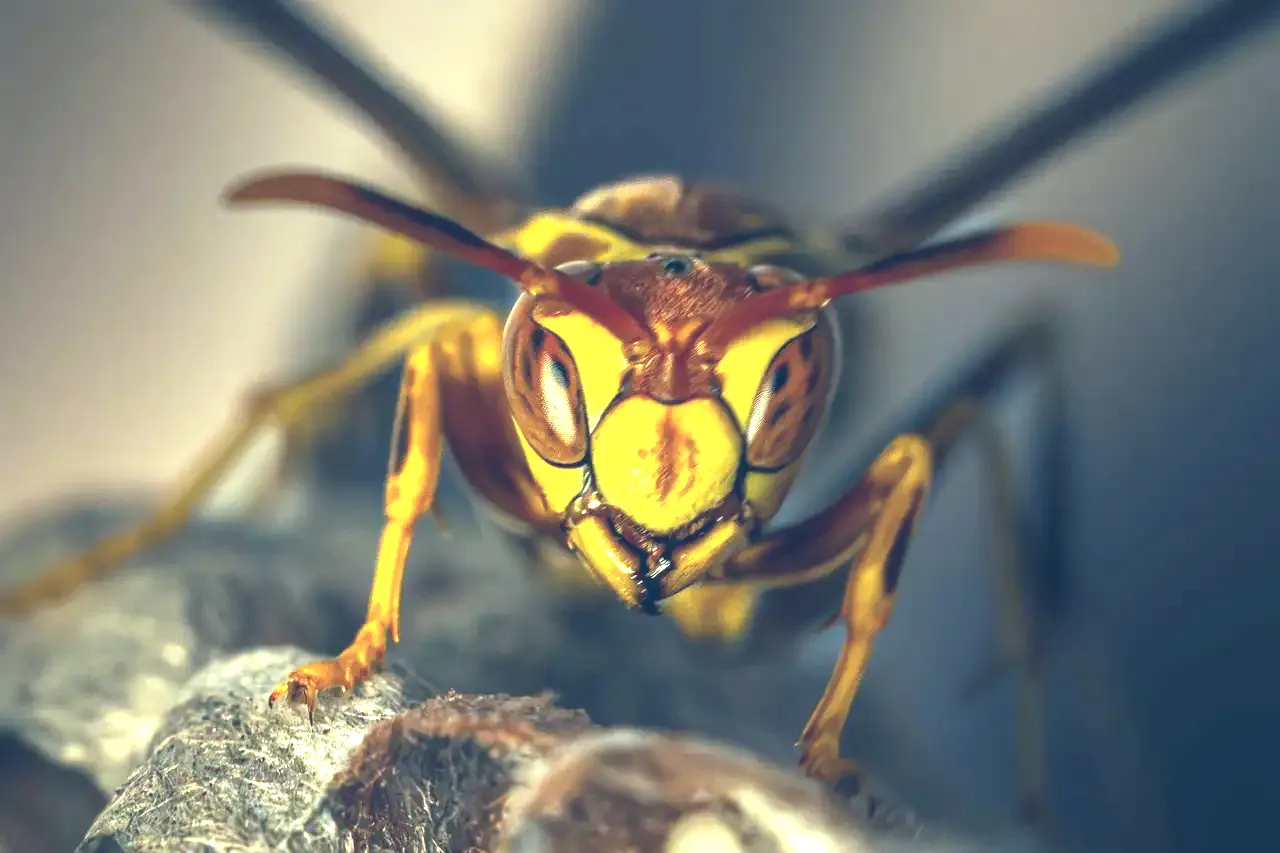
Illustration: a homeowner in Josey Ranch, 75006 notices yellowjackets using a ground opening near a shared fence. The homeowner keeps clear, discusses neighbor permission if needed and asks the provider to explain identification, proposed work and when the yard can reopen. Any further assessment and charge should be agreed directly before hiring.
Illustration: a property manager in Josey Ranch, 75006 receives reports of insects entering the same outside wall near two units. The manager coordinates access and asks the provider to identify the colony and document its proposed work. For yellowjacket wall voids, elimination should precede sealing under AgriLife guidance; confirmation and repair need clear terms.
Illustration: a renter in Rosemeade, 75007 sees insects entering a lawn opening and reports the date and position to management. The renter leaves the area undisturbed instead of pouring material into it. A provider can assess the insect and colony, while management arranges access and shares the resulting keep-clear instructions with residents.
Ask the provider for site-specific precautions before children return to a treated area. The answer depends on the proposed method, where it is used and colony activity; this site cannot certify safety. Mention children, pets and any known sting-allergy concern, and obtain clear keep-away instructions for the entrance and surrounding spaces. Seek medical care for sting reactions, including emergency medical help for a severe reaction.
Use the yard again only according to the provider’s instructions for the treated location. Ask about the method used, continuing insect activity and any marked area that must remain unused. General access to the yard does not necessarily mean the entrance itself can be approached. Obtain a clear explanation before the provider leaves and report continued activity from a distance.
Yes; AgriLife advises leaving a yellowjacket wall entrance unsealed until the colony has been eliminated. Premature blockage can redirect activity toward other openings, including the interior. Ask the provider how elimination will be established and whether another assessment is needed before a repair. Also clarify who closes the gap and whether that work is included in the agreed proposal.
Most yellowjacket nests die after the first hard frost, according to AgriLife, and abandoned nests are not reused. The colony-size peak comes by August or September, with new queens and males emerging in October and November. Dallas/Fort Worth’s regional average first freeze is November 22, rather than a Carrollton-specific forecast. Ask the provider about the actual nest’s activity instead of relying on the month to decide whether a location can be approached.
Discuss any remaining questions about your building’s nest, access and proposed work with the independent provider receiving your call.
Discuss your questions
Insect identification comes before a work proposal. Ask the provider to explain the evidence for paper wasps, yellowjackets or baldfaced hornets and identify the relevant nest locations. If the insects are honey bees, consult the Texas Apiary Inspection Service beekeeper list; honeybee work is excluded from this offer.
View service
Baldfaced hornets are yellowjackets despite their common name, as Texas Apiary Inspection Service guidance explains. An enclosed paper nest in a tree, shrub or elevated eave needs identification and an access assessment. AgriLife recommends professional handling of established colonies, so keep clear while discussing the provider’s proposal.
View service
A shared-building nest can require management to coordinate balcony, roofline and communal-space access. Report the location and dates, ask which adjoining areas belong in the assessment and obtain clear resident instructions from the provider. This site makes no determination about lease obligations or who pays.
View service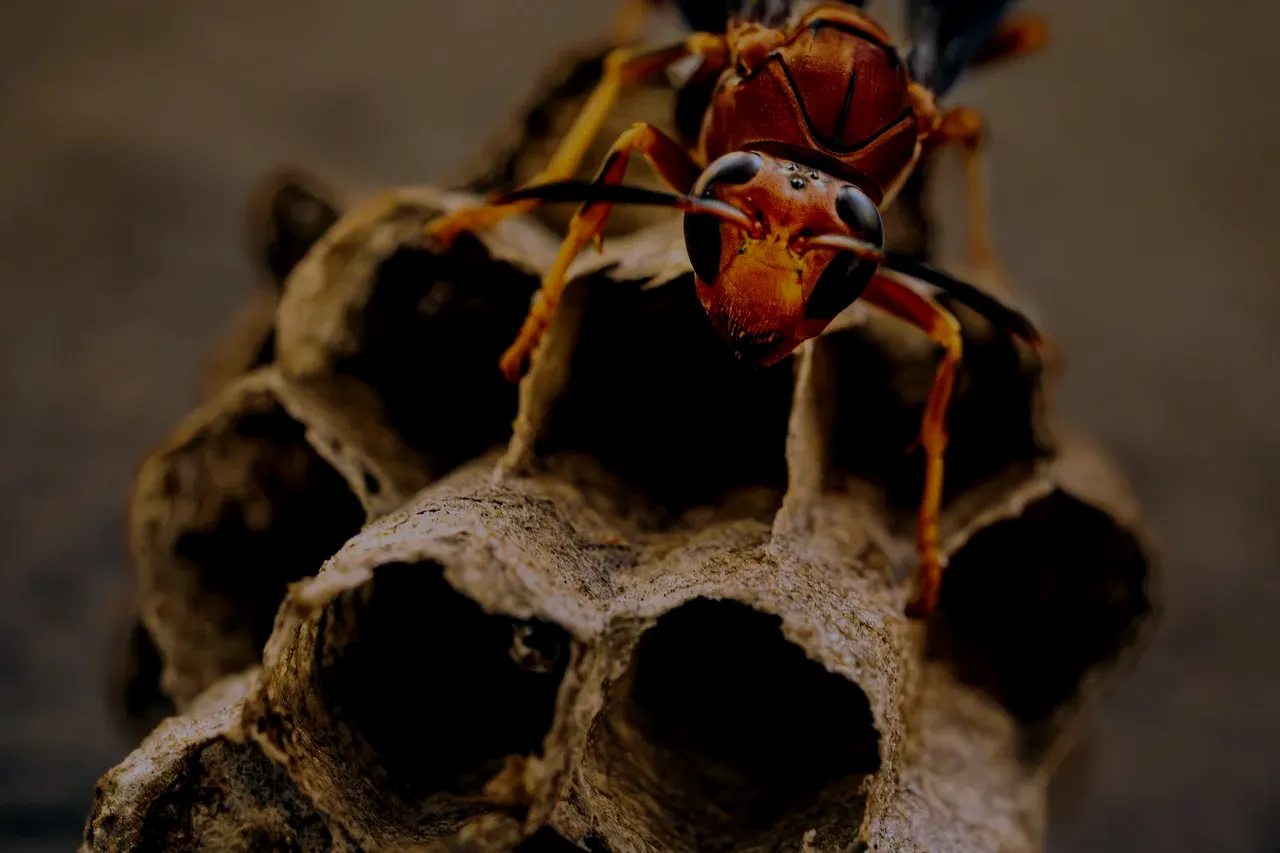
A return assessment can address continuing activity or fresh paper-wasp comb near an earlier location. Ask which former sites will be checked, what the observations mean and whether the provider’s amount includes another visit.
View serviceCalling the listed number uses Ringba tracking and routing, and the conversation may be recorded. The independent provider receiving your call discusses the location and proposed assessment. Calls connect 6 a.m. to midnight Central Time (7 a.m. to 1 a.m. during daylight saving time). The LeadSmart form is available at all hours, with its own consent wording and privacy terms.