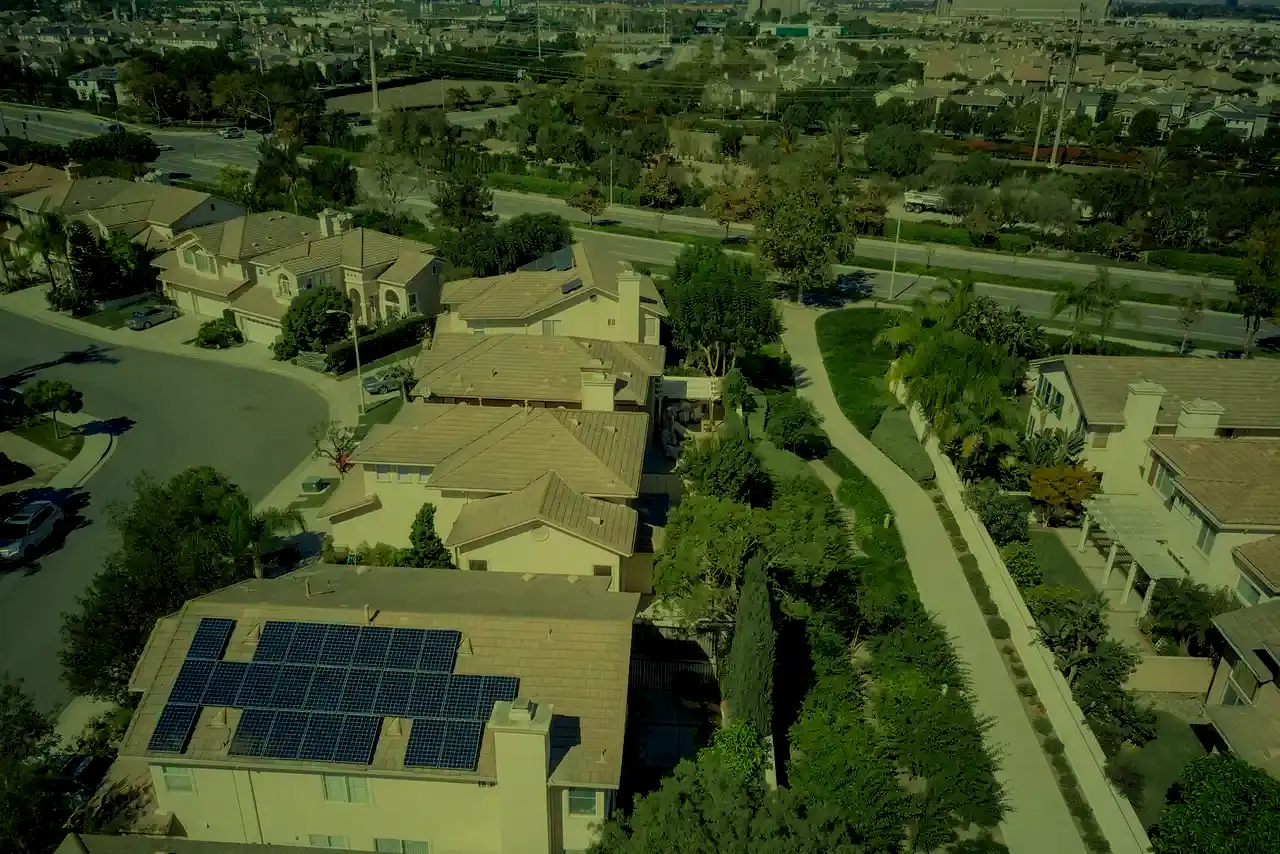
A referral starting point
Discuss a wasp, hornet or yellowjacket nest.
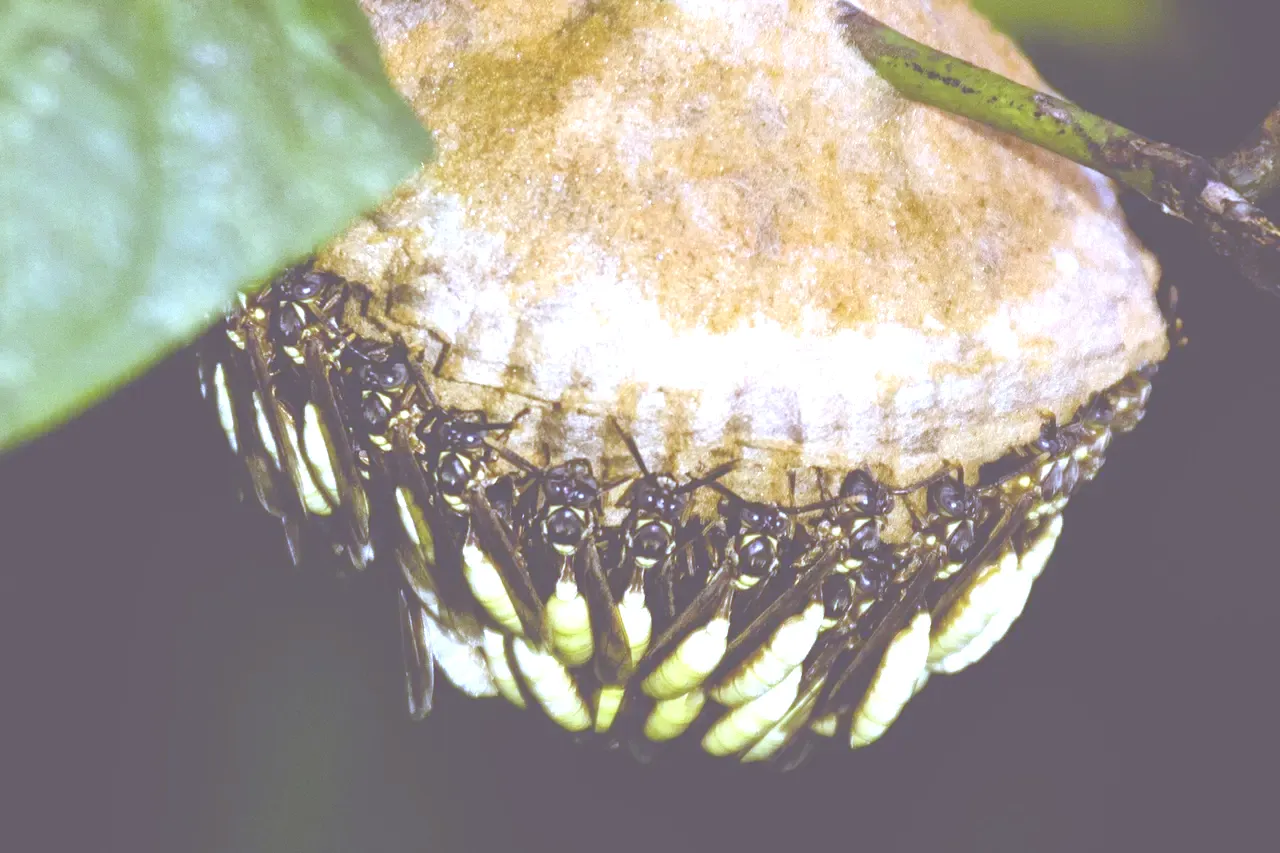
Wasp nest concerns in Josey Ranch, Carrollton, TX 75006? Connect with an independent provider to discuss identification, access and next steps.
Discuss a wasp, hornet or yellowjacket nest.
Ask which insect and nest the assessment identifies.
Discuss your address with the receiving business.
Consult TDA’s published current-license lists.
A nest above a frequently used doorway raises different questions from insects entering a quiet corner of the lawn. For a Josey Ranch address in Carrollton ZIP 75006, begin by describing that location without approaching the colony. This referral site connects calls to independent providers; it does not inspect homes, apply products or remove nests. The provider identifies the insects, assesses the property and determines any work, charge and appointment. Paper wasps can build exposed combs beneath eaves or in sheltered places such as garages, sheds and shrubbery. Yellowjackets usually nest underground, while an enclosed paper nest needs its own identification. Explain whether the affected space belongs to a house, rental or shared building, and identify any gate or access restriction. Before authorizing a proposal, ask which nests it covers, how nearby spaces will be assessed and whether removal of inactive material or a later check is included. Coverage also extends to Carrollton addresses in 75007 and 75010.
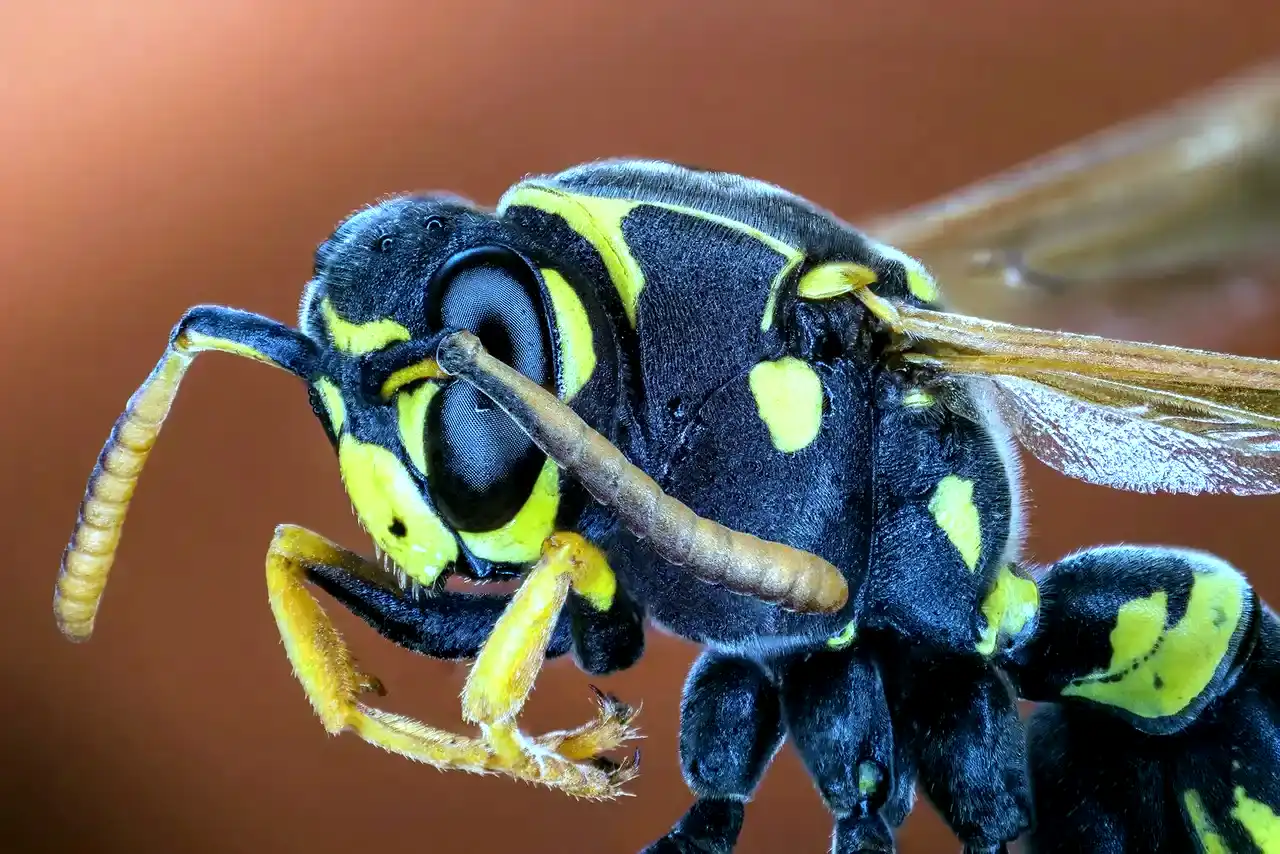
The right service depends on what the provider finds, rather than the name a caller gives the insect. An exposed comb, a concealed colony and an enclosed nest each require identification and an access discussion. The options below cover assessment, hornet and yellowjacket concerns, shared-property coordination and later checks for Josey Ranch in 75006. Paper-wasp queens begin colonies in spring; yellowjacket colonies reach their seasonal maximum in August or September under AgriLife guidance. Individual findings still govern any proposal.
Describe the flight path and visible nest structure from a position you can use without getting closer. The provider can assess whether the insects are paper wasps, yellowjackets, baldfaced hornets or honey bees, and locate the colony before suggesting work. Include nearby doors, occupied balconies and access obstacles in the discussion. Ask which additional sheltered spaces the assessment covers.
Read about this option →02An enclosed nest requires confirmation of the insect before anyone plans to take it down. Texas Apiary Inspection Service identifies the baldfaced hornet as a yellowjacket, despite its familiar name. AgriLife recommends professional handling of established hornet and yellowjacket colonies. Tell the provider whether the nest is attached to an eave or surrounded by branches, and ask how height, access and confirmation of inactivity affect the proposed removal sequence.
Read about this option →03Repeated traffic through a small ground opening can be the visible sign of a much larger concealed colony. Keep that part of the lawn out of use while seeking a provider's assessment. Activity entering a wall calls for another access discussion: AgriLife advises leaving the entrance unsealed until the colony has been eliminated. The provider decides the treatment and any subsequent closure.
Read about this option →04A nest over a Josey Ranch apartment entrance may involve an area the tenant cannot authorize anyone to access. Report the location to the landlord or manager and identify shared stairs, balconies or rooflines that could be affected. Ask the provider which adjoining features will be examined, how residents receive instructions and who must be available to arrange entry on the agreed date.
Read about this option →05A later assessment can address insects still using the original entrance or a newly started nest nearby. These are different findings, so keep the earlier location and work details available. AgriLife notes that paper-wasp queens can establish spring colonies in the same general location as before. Confirm the number of visits included, any separate charge and what observations should prompt another call.
Read about this option →Start the call with your Josey Ranch street address, ZIP 75006 and the part of the property where activity is visible. Describe the building, the apparent height of the nest and whether insects repeatedly enter the ground or a wall gap. Keep observations at a distance; there is no need to climb or disturb material to prepare for the conversation. An independent provider decides whether an assessment can be arranged and sets the appointment, approach and charge. During the assessment, ask how identification and the colony's location affect the recommended work. A proposal should distinguish addressing an active colony from removing accessible inactive nest material. For a concealed wall colony, agree how elimination will be confirmed before any entrance is sealed. At a shared building, establish who authorizes access and passes instructions to residents. Request written preparation and keep-away directions, along with the terms for any later check, before you decide whether to proceed.
A comb over a communal walkway concerns the people using that space as well as the resident who first notices it. Management should receive a precise location and arrange access to the relevant roof edge, stairwell or balcony. Carrollton's ACS 2024 figures place 35.9% of housing units in buildings with two or more units; this is housing context, not a count of affected properties. Ask which adjoining areas will be included and how the provider's instructions will reach everyone who uses them.
Texas guidance lists garages, sheds and shrubbery among paper-wasp nesting sites in addition to eaves. An assessment request should therefore describe the feature involved, rather than simply saying there are wasps in the yard. A provider can discuss which surrounding sheltered spaces warrant examination. If repeated traffic enters the soil, avoid mowing or using that part of the lawn. Keep children and pets clear, and report the opening's position without digging, covering it or trying to expose the colony yourself.
AgriLife places the maximum size of yellowjacket colonies in August or September, with new queens and males appearing during October and November. That pattern supplies seasonal background for an assessment; it does not establish the size of a nest in Josey Ranch. Most yellowjacket nests die after the first hard frost, and abandoned nests are not reused. A calendar date alone cannot confirm that the colony you can see is inactive.
Request the provider's business and worker license details before authorizing pesticide work. Texas Department of Agriculture's Structural Pest Control Service publishes current-license lists covering businesses, applicators and technicians. Compare the supplied details with those lists yourself; a referral is not verification.
Before accepting the proposal, have the provider name the products, explain their proposed locations and give instructions for people and pets. Mention doors, play spaces and gardens near the nest so restrictions address the actual property layout.
The examples below describe nest locations and access questions, rather than a pattern claimed for Josey Ranch. Use them to prepare a clear account of what you have observed. Identification and the findings at your address determine the provider's next steps.
An open comb beneath an eave may suggest paper wasps, but the provider should confirm the identification. Texas Apiary Inspection Service also lists garages, sheds and shrubbery as possible sites. Note the attachment point and whether anyone normally passes underneath; do not use a ladder to inspect the cells. The assessment can establish whether the reported comb is active and whether other sheltered features should be checked. Ask how the provider separates colony treatment from later removal, and what limits apply if material cannot be reached.
A small opening beside a planting bed can be worth reporting even when no nest structure is visible. Yellowjackets usually nest underground, so the entrance gives the provider a starting point for locating the colony. Leave that section of the yard undisturbed, including mowing and digging. Describe the nearest path or play space and ask what area must remain unused. The proposal should explain the assessment, intended work and how the provider will evaluate any continuing activity afterward.
When the affected spot is above shared stairs or a balcony, the first practical question is access. A tenant can identify the location and tell management which route people use, while the manager can arrange permission to reach common areas. Ask whether the provider's assessment extends to adjacent roof sections or other balconies. Residents need consistent directions on avoiding the work area. A dated record of the findings and agreed scope helps prevent confusion about which nest or opening was addressed.
Wasps entering the same wall gap require a different discussion from a comb hanging in the open. Describe the exterior entry point and any insects observed indoors without removing trim or opening the cavity. A provider can assess whether the observations belong to a concealed colony and explain what access the proposed work needs. AgriLife cautions against sealing a yellowjacket wall entrance before elimination. Ask who confirms that stage and whether closing the opening or repairing the building is included, arranged separately or outside the provider's scope.
The provider determines the charge after assessing the nest and access; this website supplies no amount for a Josey Ranch job. The useful comparison is the written scope behind the amount. Identification, colony size and nest count can change the work, as can a high attachment point or a location concealed within a wall. A proposal for an accessible comb may differ from one involving a ground entrance or a shared building. Ask whether it includes examination of surrounding features, treatment of each identified colony and removal or disposal of inactive nest material. Establish whether a return assessment is included and whether closure or building repairs are separate. Give the provider any access restrictions before accepting the arrangement.
Ask the provider to identify how many active nests the proposal covers and how their size affects the work. One reported comb does not establish what is elsewhere on the property. Additional findings should be explained before any scope changes are authorized.
A nest high above a doorway presents different access questions from one beside a low roof edge. Locked gates, occupied balconies and shared paths also matter. Describe those limits in advance and ask the provider to explain any effect on the proposed arrangement and charge.
Ground and wall colonies can leave little structure visible from outside. Ask how the provider will assess the entrance, confirm the result and decide whether another visit is needed. For a wall colony, establish that sealing follows elimination and clarify who is responsible for any building closure or repair.
Josey Ranch is a verified Carrollton neighborhood in ZIP 75006. The information below gives geographic, housing and source context for a call; it does not describe work performed by this site. Start with the street address and actual nest location when speaking to an independent provider. Even within the same ZIP, a garage comb, a shared balcony and an entrance in the lawn can require different access arrangements. Keep the focus on the observed property rather than an assumed neighborhood pest pattern.
City GIS neighborhood data places Josey Ranch in Carrollton ZIP 75006. That verified association helps describe coverage, while the full address identifies the property for an assessment discussion. Include the particular eave, shed or entrance involved so the provider can ask relevant access questions.
Josey Ranch is a verified Carrollton neighborhood in 75006. Its residents can use the referral line to discuss a nest with an independent provider. Explain the affected feature and access requirements; the provider decides whether and when an assessment can be arranged.
ACS 2024 data gives Carrollton housing a median construction year of 1988. This citywide measure is background only. A provider must assess the actual nest and building features at your address.
Renters occupy 41.5% of Carrollton's occupied homes under ACS 2024 data. Where management controls an outside space, send a precise nest report and retain the message. The provider and the person authorizing work can then discuss entry arrangements and resident instructions.
Woodcreek is verified within Carrollton ZIP 75006. A call from that neighborhood follows the same referral process: an independent provider discusses the observation and determines the assessment, method, charge and appointment for the particular address.
Keller Springs Village is a verified Carrollton neighborhood in 75006. The street address and nest position remain necessary for discussing work; a neighborhood name alone cannot determine access or an assessment date.
Wellington Run appears among verified Carrollton neighborhoods in ZIP 75006. Residents can describe a nest concern through this line. Any permission needed for a rental or common outside space should be discussed with management before work is authorized.
The Texas Department of Agriculture publishes Structural Pest Control Service current-license lists. Request the business and worker details from the provider and check them before authorizing pesticide work at the property.
Carrollton Downs, Briarwyck Estates and Country Place are verified neighborhoods in 75006. Their names describe coverage, not a claimed nest frequency. For a proposed visit, supply the street address, the observed location and any restrictions on entering the affected space.
The line covers Carrollton addresses in 75006, 75007 and 75010, including Josey Ranch and the verified neighborhoods below. No neighborhood-wide nest pattern is implied. Give each property address separately if discussing several locations, and ask the independent provider how access, assessment appointments and any work would be arranged.
Josey Ranch is verified in Carrollton ZIP 75006. A resident can use the line to discuss a nest at a house or rental, but the provider needs the actual address and observation. Identify whether the insects use an exposed comb, an enclosed paper structure or a concealed entrance. The provider can then explain the assessment and any proposed work. For shared areas, establish who can authorize access and communicate instructions before accepting an appointment.
Carrollton Downs is a verified Carrollton neighborhood within ZIP 75006. Residents use this referral line to reach an independent provider about nest concerns. Supply the location on the property and describe who controls access to it. The provider determines identification, the assessment boundary and any subsequent work. If another nest is found, ask how that changes the written proposal before authorizing it.
Briarwyck Estates is verified in Carrollton ZIP 75006. Homeowners and renters can describe what they have seen through the same line, with work arrangements made directly with the independent provider. A visible roof-edge comb and repeated activity through a ground opening need different assessment questions. Include the building feature involved and any entry restrictions, then request clear preparation and keep-away instructions before the agreed visit.
Country Place is among the verified Carrollton neighborhoods in ZIP 75006. The referral process begins with the street address and a description of the observed nest or entry point. The independent provider assesses the situation, decides on the approach and states the charge. Where a manager controls a balcony, roof edge or common path, arrange permission and resident communication as part of the discussion rather than assuming the caller controls that space.
These hypothetical examples explain decisions a resident might discuss with a provider. They are not testimonials, completed jobs or evidence of results. Each person, address area and proposed next step is included only to illustrate the referral process.
A homeowner in Josey Ranch, 75006 notices an open paper comb beneath the roof above the back door. In this hypothetical situation, the homeowner keeps the doorway out of use and describes the nest from a distance. An independent provider would first need to identify the insects and assess access before proposing work. The discussion should cover whether adjoining roof sections are included, how the active colony would be addressed and when inactive material could be removed. The homeowner can request written directions for using the doorway again and clarify the terms for any later assessment.
A property manager in Josey Ranch, 75006 receives a report of repeated insect movement through a wall opening beside a shared walkway. This illustration concerns coordination, not a completed job. The manager can arrange access, pass avoidance instructions to residents and request a provider's assessment. A written proposal should identify the entry point and explain how elimination would be confirmed before sealing. The manager should also establish whether closure and any building repair belong to the pest work or a separate arrangement.
A renter in Rosemeade, 75007 sees a nest over a balcony used to reach the apartment. In this hypothetical example, the renter informs management with the exact location and avoids disturbing it. The landlord or manager can organize permission for a provider to assess the balcony and nearby roof edge. The renter should ask who will communicate restrictions, when the space may be used again and whether another assessment is part of the agreed plan.
A homeowner in Josey Ranch, 75006 wants to understand whether a comb over the back door can be removed with the proposed work. In this illustration, the useful questions concern identification, access and confirmation that the colony is inactive. The independent provider determines the scope; the example records no actual visit, recommendation or result at a local home.
A property manager in Josey Ranch, 75006 needs instructions for residents using stairs beneath a reported nest. This hypothetical manager asks the provider how to arrange access, circulate keep-away directions and document the agreed work. No assessment, appointment or outcome is established by this example.
A renter in Rosemeade, 75007 is unsure who can authorize access to a nest above the balcony. This illustration starts with a written report to management. The renter can discuss observations with a provider while the person controlling the property addresses permission, scheduling and resident instructions.
Season helps frame questions about a nest, but cannot establish whether one at your property is active. Texas guidance describes spring colony formation, summer growth and frost-related changes. Use the observations below to prepare for a provider's assessment of the actual location.
Paper-wasp queens establish new colonies in spring after overwintering in sheltered places. AgriLife notes that the general nesting location may resemble the previous season's. An old roof-edge site therefore gives a homeowner useful context for describing fresh activity, without proving that an old nest has been reused or that treatment is necessary.
Yellowjacket colonies grow toward their August or September maximum under AgriLife's seasonal guidance. A nest location beside a lawn or play space deserves clear access instructions. Describe the observed traffic and leave the affected area undisturbed while seeking a provider's assessment.
New yellowjacket queens and males emerge in October and November according to AgriLife. This seasonal stage does not show whether a particular nest has become inactive. Continued entry traffic should be described to the provider.
Most yellowjacket nests die following the first hard frost, and abandoned nests are not reused. The NWS Dallas/Fort Worth average first freeze is November 22; that regional average cannot predict a Carrollton nest's condition or replace an assessment.
Carrollton addresses in 75006, 75007 and 75010 can use the referral line, including Josey Ranch and Rosemeade. Provide each complete address if you manage several properties. The independent provider decides whether assessments can be arranged together and determines the work, appointments and charge for each location. Coverage creates no scheduling commitment.
A proposal should explain the actual nest, access and work rather than rely on a general promise. Use these questions before authorizing an appointment or treatment. The provider's answers can clarify credentials, the proposed approach, documentation and the terms for another assessment.
Ask for the business and worker license details, then check TDA's published current-license lists. Request evidence of the provider's insurance separately. This referral site supplies neither credential verification nor an assurance about a particular company's coverage.
The approach depends on the identified insect, nest location and available access. Ask how those findings shaped the proposal. Establish which colonies and surrounding areas are included, what products are proposed and whether taking down inactive material is part of the scope.
Return terms are set in the provider's agreement, so confirm when another check would be advised and whether it is included or separately charged. Continuing activity and a fresh spring nest may be different situations; ask how each is handled.
The provider must explain how its assessment establishes inactivity before a wall entrance is sealed or nest material is removed. Ask what observations will be checked and obtain specific instructions for reporting any later flight activity.
Ask the provider about work involving this type of nest and comparable access requirements. References, when available, can inform your questions, but they do not establish the approach or outcome for a nest at your property.
Texas A&M AgriLife Extension
Check the provider first
Verify before authorizing work
Consult the published source
Honey bee referral source
The provider estimates duration after considering identification, nest count and access at the property. A reachable comb and a concealed colony may require different stages, including a later assessment. Ask whether the estimate covers treatment, confirmation of inactivity and removal of accessible material. At a rental or shared building, the access arrangement can also affect scheduling. This site sets no completion time.
Observe the flight path from indoors or another distant position and report where insects repeatedly arrive. An exposed paper comb or a soil entrance can help describe the location, but neither substitutes for identification. Avoid ladders, digging or opening a wall cavity to get a closer view. The provider can assess the location and explain how to proceed with the observed access limitations.
No particular month confirms that wasp activity has ended at a property. AgriLife says most yellowjacket nests die after the first hard frost, while paper-wasp queens establish new spring colonies, often in the same general location. An independent provider must assess the activity actually observed. Describe any continued entry traffic rather than assuming the season establishes that a nest is inactive.
Follow the provider's specific directions about where people and pets should stay. The nest position, method and nearby entrances determine restrictions at your address. Ask before the appointment how long the affected area should remain unused and who confirms it can reopen. Mention access needs early so the instructions account for them.
The independent provider sets the charge from the assessed insect, colony size, nest count and access requirements. Before accepting, check whether the amount includes inactive material removal, disposal and any return assessment. A concealed colony or building closure may involve separate arrangements. Request those distinctions in writing.
Discuss any remaining questions about your building’s nest, access and proposed work with the independent provider receiving your call.
Discuss your questionsCalling the listed number uses Ringba tracking and routing, and the conversation may be recorded. The independent provider receiving your call discusses the location and proposed assessment. Calls connect 6 a.m. to midnight Central Time (7 a.m. to 1 a.m. during daylight saving time). The LeadSmart form is available at all hours, with its own consent wording and privacy terms.