A referral starting point
Discuss a wasp, hornet or yellowjacket nest.
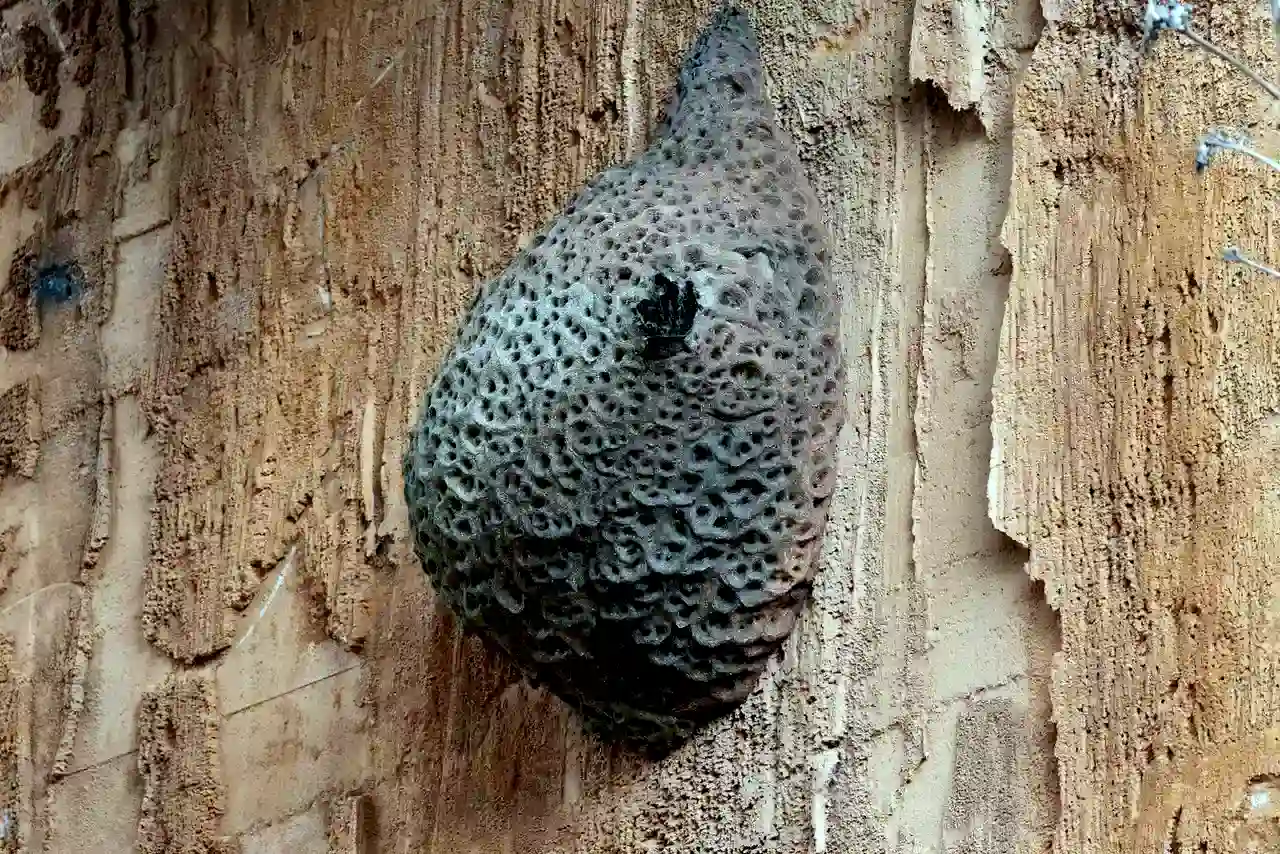
Seeing insects at a roof edge does not tell you which colony is present or what work is needed. This Rosemeade page helps you prepare that discussion with an independent provider. Give your Carrollton address in 75007, describe the nest or repeated entry traffic and identify who controls access to the affected space. The provider assesses identification, decides the approach and supplies the appointment and charge. Ask what the proposal includes before authorizing it, especially removal of inactive material, directions for residents and the terms of any later check. Keep your distance while gathering observations.
Discuss a wasp, hornet or yellowjacket nest.
Ask which insect and nest the assessment identifies.
Discuss your address with the receiving business.
Consult TDA’s published current-license lists.
For a nest concern in Rosemeade, describe the property feature before deciding what service name to request. An exposed comb below an eave, a rounded paper structure among branches and insects entering a soil opening present different identification and access questions. Rosemeade is a verified Carrollton neighborhood within ZIP 75007. This website operates a referral line, connecting callers to independent providers who assess nests and decide any treatment, removal, charge and appointment. Coverage also includes Carrollton addresses in 75006 and 75010. Texas guidance lists eaves, garages, sheds and shrubbery as paper-wasp nesting sites, while yellowjackets primarily nest underground. Tell the provider which spaces people use near the reported location and whether a landlord or manager must authorize entry. Before proceeding, request an explanation of the proposed assessment boundary, how colony activity will be addressed and whether taking away inactive material belongs to the same agreement. If identification instead points to honey bees, use the Texas Apiary Inspection Service beekeeper list; honeybee work is outside this referral offer.
An assessment connects what you have seen with the nest that may need attention. The options below describe identification, enclosed nests, yellowjacket colonies, apartment coordination and return assessments. They are discussion points for Rosemeade residents, rather than services performed by this site. A provider determines what can be offered after considering the insect, colony and access. AgriLife recommends professionals for established yellowjacket and hornet colonies. Ask how the proposed work addresses the active colony and whether removal or disposal of inactive nest material is included. At a shared property, clarify who can authorize the arrangement.
Before recommending work, a provider needs to establish the insect and the nest location. Describe whether you can see exposed cells, an enclosed paper structure or only traffic through an opening. Include height, nearby entrances and any obstacle to access, using observations gathered without approaching. The assessment can also define which adjoining sheltered areas are included. If the insects are honey bees, use the Texas Apiary Inspection Service beekeeper list rather than arranging honeybee work through this offer.
Read about this option →02An enclosed paper nest requires identification and an access plan before removal is considered. The baldfaced hornet is actually a yellowjacket, as explained by Texas Apiary Inspection Service. Established hornet and yellowjacket colonies call for professional handling under AgriLife guidance. Tell the provider whether the structure is in branches or under a roof and which spaces people use beneath it. The proposed sequence should explain addressing colony activity, confirming inactivity and taking down material that can be reached. Ask whether all those stages belong to the agreed work.
Read about this option →03Yellowjackets usually nest underground, and some colonies occupy a wall void. Visible entry traffic can help describe the location without exposing the nest. Avoid digging, mowing across the entrance or trying to close it. AgriLife specifically advises against sealing a wall-void entrance before the colony has been eliminated. Ask the provider how it will assess activity, confirm the result and determine whether closure, removal or another visit is appropriate at your address.
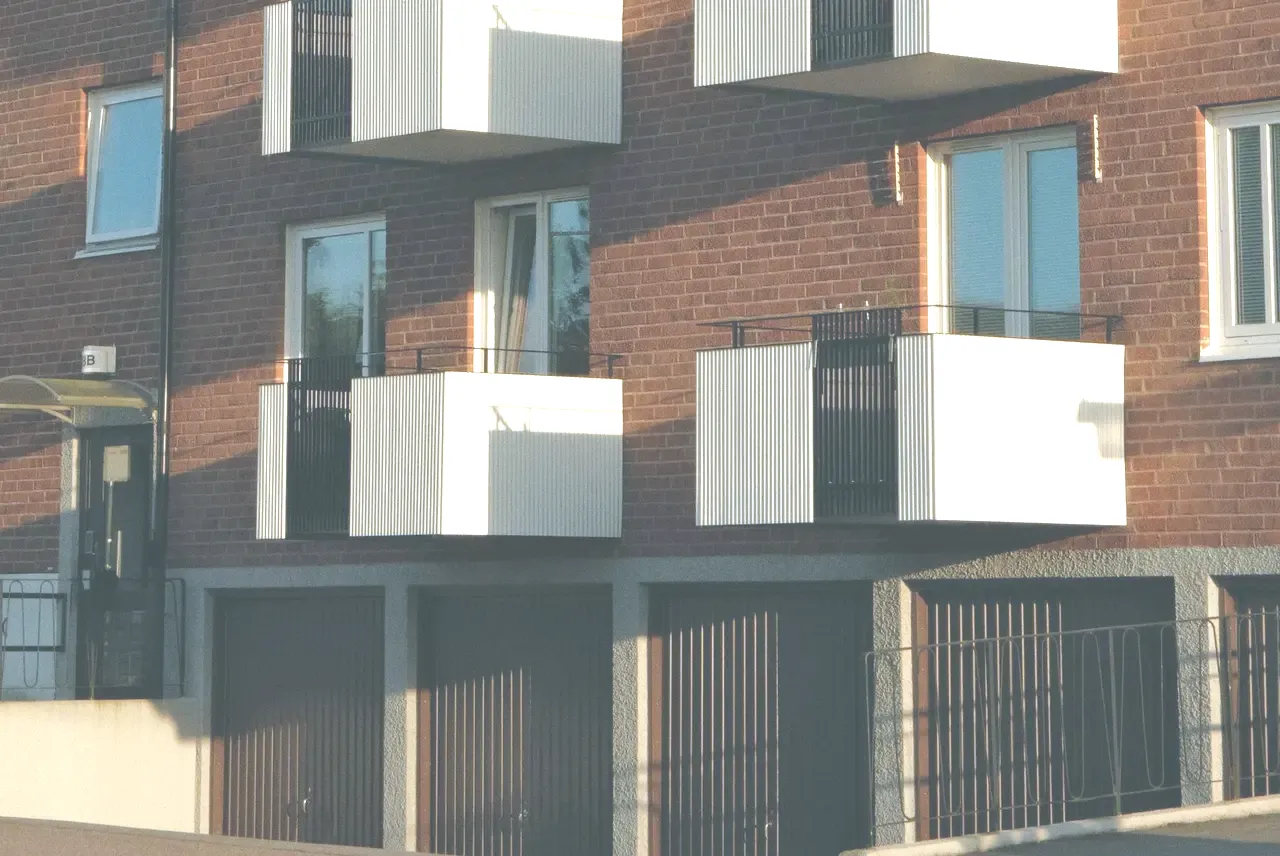
Read about this option →04A Rosemeade tenant who reports a nest above a common path may need management to arrange access. The provider and manager can define which balconies, roofline sections and other shared spaces the assessment includes. Residents should receive the same instructions for avoiding the affected area before and after the visit. Ask who will authorize any additional findings, how the written record will be shared and whether a later assessment is included. The referral site does not decide responsibility or approve work on behalf of the building owner.
Read about this option →05Another assessment can distinguish continued use of an entrance from a newly formed nest nearby. Retain the earlier identification, nest position and work record so the provider has a clear reference. AgriLife notes that paper-wasp queens may build spring colonies in the same general location, while abandoned yellowjacket nests are not reused. Ask what observations should trigger a return request, how the provider evaluates them and whether further work is included or separately charged under the agreement.
Read about this option →To discuss an assessment, start with the Rosemeade property address in 75007 and describe the place where insects are gathering or entering. State whether the location is above a doorway, beside a path, within a shared balcony area or elsewhere on the property. Estimate height only from a position that keeps you clear; do not climb, cut vegetation or open a cavity to improve the description. An independent provider chooses the appointment, assesses identification and access and proposes any work and charge. Before accepting the arrangement, ask which nests and surrounding areas are included. The sequence may distinguish addressing the colony from confirming inactivity and removing accessible material. A wall entrance must remain unsealed until elimination is established under AgriLife guidance. At a rental, arrange management permission for relevant spaces and determine who passes instructions to residents. Request a dated written record, directions for keeping people and pets away and an explanation of any later assessment. Neither this page nor a referral call establishes an outcome or completion date.
One reported nest above an apartment entrance can involve access controlled by management and a path used by several households. The resident should identify the attachment point or opening and explain how people use that space. The manager can arrange entry and obtain the provider's instructions for everyone affected. Carrollton's 35.9% share of housing units in buildings with at least two units provides citywide housing context, not evidence of a nest pattern. Agree whether the assessment includes adjacent roof edges and balconies, and document which colonies any proposed work covers.
A small lawn opening may be all that is visible of a yellowjacket colony. Repeated traffic through that point is useful information to report from a distance, without digging or trying to uncover the nest. Keep mowing, gardening and play away from the affected spot while arranging advice. Tell the provider whether the opening is beside a door, footpath or other frequently used space. Ask how identification and the assessment findings shape the approach, what restrictions apply during the work and how the provider will evaluate any insects still using the entrance afterward.
Paper-wasp nest sites can include garages, sheds and shrubbery as well as eaves under Texas guidance. If the reported nest sits near stored items or dense vegetation, describe those access limits on the call. Leave objects and branches undisturbed around an active colony instead of clearing a route yourself. The provider can explain whether preparation is needed and how it should be arranged. Ask which nearby sheltered features the assessment covers, whether inactive material can be removed and who gives permission where the location forms part of a rented or shared property.
The provider should supply details for the business and proposed applicator or technician. Check those details against Texas Department of Agriculture Structural Pest Control Service current-license lists before authorizing pesticide work. This referral line does not verify credentials or replace your own checks.
Have the provider identify any proposed products and explain where they would be applied. Point out nearby doors, outdoor play spaces, gardens and areas used by pets. Obtain preparation and keep-away directions before the visit, and clarify when normal use can resume. Specific answers should form part of the proposed arrangement.
Honeybee work is excluded from this referral offer. When identification indicates honey bees, consult the Texas Apiary Inspection Service beekeeper list. The list is not an endorsement. Do not spray chemicals into a hive while seeking appropriate identification or advice.
The situations below explain how nest location changes the questions to ask. They do not claim that any type is prevalent in Rosemeade. An assessment should confirm the insects, locate the colony and establish access at the actual address. Clear descriptions help the provider explain whether the proposed work includes adjoining nesting spaces, treatment of the identified colony and removal of inactive material or a later check.
Paper-wasp queens found colonies in spring and may choose the same general location used in a previous season, according to AgriLife. A new comb beneath the same eave therefore calls for fresh identification and assessment rather than an assumption that an abandoned nest was occupied again. Describe where the comb is attached and whether people use a doorway or balcony below it. Ask the provider whether nearby roof sections will be examined and how the current observation relates to any previous work record. Return terms may distinguish a new nest from continuing colony activity, so check what the earlier agreement actually covers before authorizing another visit.
If insects still use an opening after someone has disturbed a nest, stop further disturbance and explain exactly what happened to the provider. Repeated traffic may require another assessment of colony location and access. A concealed nest cannot be judged from an empty visible surface alone. AgriLife recommends professional handling of established yellowjacket and hornet colonies and cautions against sealing a wall-void entrance until elimination. The provider can explain how it will confirm the situation before proposing further work. Ask whether an earlier treatment record is useful, what restrictions apply meanwhile and how removal or closure would be sequenced. A referral call does not establish that the colony has already been eliminated or that another visit is included.
A rounded paper nest in a tree or shrub needs identification before anyone decides to prune or take it down. Texas Apiary Inspection Service explains that the baldfaced hornet is a yellowjacket. AgriLife advises professional handling of established hornet and yellowjacket colonies. Leave the nest and surrounding branches undisturbed, and describe the height and nearby use of the space from a distance. The provider should assess access and explain whether material can be removed after inactivity is confirmed. Ask who establishes that stage, whether disposal is included and what directions apply to people using the yard before work and during any later check.
A resident may spot a nest before the person authorized to arrange the work knows about it. In a rental or shared building, send management a precise written report with the observed location and the route or balcony affected. The provider and the person controlling access can then discuss which spaces may be assessed and who can approve the proposal. Carrollton's 41.5% renter share is housing context, without deciding responsibility at a particular property. Ask for a record naming the insect, nest position, work and dates, together with any later findings. Share the agreed instructions with residents rather than relying on separate accounts of what was proposed.
A provider determines the amount for nest work after assessing the insect, colony and access at your Rosemeade property. This site gives no job amount or completion commitment. Before deciding, compare the charge with the exact written scope: how many nests are included, which surrounding features are assessed and what happens to accessible inactive material. A concealed wall colony can raise questions about another assessment before closure, while a nest attached high above a used space raises access questions. Neither situation can be priced from a neighborhood name. State any gate, permission or schedule restriction early. Ask whether disposal, a return assessment or building repair is separate, and who must authorize additional work if other colonies are found. Keep those answers with the proposal so later questions refer to the same agreement.
The provider should explain which active colonies the assessment has identified and how each contributes to the proposed work. A single visible comb is not evidence that the whole property has been checked. Confirm whether additional findings require a new or revised proposal.
Access can be restricted by stored items, a closed gate, vegetation or shared-property permissions. Describe those conditions without moving anything near an active nest. Ask the provider whether preparation is necessary, who should arrange it and how any change affects the scope, appointment or charge.
A colony inside a wall and a nest high above a path create different planning questions. Ask how the provider assesses reach, confirms inactivity and decides whether material can be taken away. Clarify whether another visit is needed and who handles any closure or building repair after elimination.
Rosemeade is a verified Carrollton neighborhood in 75007, and the cards below provide context for a nest discussion. They include covered neighborhoods, citywide housing figures, the state license source and the appropriate honey bee referral. None establishes wasp prevalence, a provider's credentials or a result at a local property. Give the complete street address when calling and explain the particular nest or entrance you have observed. A neighborhood label cannot determine the approach, reach or permissions needed; those questions belong to the provider's assessment of the actual site.
City GIS neighborhood evidence places Rosemeade in Carrollton ZIP 75007. The referral line covers that neighborhood, while the full street address identifies the property. Include the nest's position and access restrictions when discussing an assessment with the provider.
ACS 2024 data shows 41.5% of occupied Carrollton homes are rented. A tenant should identify management-controlled spaces when reporting a nest so access and resident directions can be arranged.
Carrollton's median construction year is 1988 under ACS 2024 data. This describes the housing stock, without predicting nests. An assessment must follow the observed activity and building features at the address.
Oak Creek Estates is a verified Carrollton neighborhood in 75007. Residents can discuss nest concerns through the same line; the independent provider decides assessment availability, access arrangements and any proposed work.
Hunters Creek is verified in Carrollton ZIP 75007. Supply the street address and actual nest location when discussing an assessment; neighborhood coverage does not establish the appointment or method.
Texas Department of Agriculture publishes current-license lists for Structural Pest Control Service businesses and workers. Obtain the provider's details and check the applicable lists before authorizing pesticide work. The referral itself is not credential verification.
Honeybee work is excluded here. If identification indicates honey bees, consult Texas Apiary Inspection Service's beekeeper list. Do not spray into a hive while seeking advice.
NWS Dallas/Fort Worth averages place first freeze at November 22 and last freeze at March 12. These regional dates do not predict a particular Carrollton colony's inactivity.
Rosemeade's verified ZIP is 75007. Give the complete street address and describe the affected feature, such as a roof edge or balcony, so the provider can discuss assessment and access.
Coverage includes Rosemeade and other Carrollton addresses in 75006, 75007 and 75010. The verified 75007 neighborhoods below can use the same line. Each assessment still depends on the actual property, nest and available access. If you manage several locations, list the addresses separately and ask the independent provider how appointments, permissions and any work would be arranged. The website does not plan routes or promise a combined visit.
Rosemeade is verified within Carrollton ZIP 75007. For a nest at a house or rental there, start with the property address and describe the observed structure or repeated entrance traffic. An independent provider can assess identification and access, then explain any proposed treatment, later inactivity check and removal of reachable material. Confirm the scope before authorizing it. Where the location affects a shared path or balcony, establish who can arrange entry and communicate restrictions to residents.
Nob Hill is another verified Carrollton neighborhood in ZIP 75007. Residents can use this line to reach an independent provider, with the street address and nest position guiding the discussion. Describe any common roof edge, locked gate or other limit on access. The provider determines assessment availability and the proposed arrangement, including the charge. Ask whether the work covers surrounding nesting spaces and how a later activity report would be handled.
Woodlake is verified in Carrollton ZIP 75007 and falls within this referral coverage. A visible comb and a concealed entrance require different questions, so report exactly what you have observed without approaching. The provider can establish identification and discuss the access needed for any proposed work. At a rental, involve management where permission is required. Ask how findings will be recorded, what restrictions apply and whether inactive nest removal or another assessment belongs to the agreement.
Highlands of Carrollton is a verified neighborhood in 75007. This line connects nest concerns there with independent providers who decide the assessment, approach and appointment for each address. Give the particular nest location and explain how people use the surrounding space. The provider can discuss preparation, access and whether any later check is needed. Coverage alone supplies no treatment recommendation or assurance about the outcome.
These examples are invented to explain decisions that can arise around a nest. They are not customer accounts, completed jobs or reported results from this website. The homeowner, property manager and renter each illustrate an assessment discussion, with the provider responsible for any actual recommendation or work arrangement.
A homeowner in Josey Ranch, 75006 sees a paper nest above a door used to reach the back yard. In this hypothetical example, the homeowner avoids the doorway and asks an independent provider to assess the insects and access. The conversation should identify whether the visible structure is the only nest covered and whether nearby sheltered features will also be examined. A proposed plan would need to distinguish addressing colony activity from taking down accessible inactive material. The homeowner can request written instructions for people and pets, ask who confirms the doorway can be used again and clarify any separate disposal or return-assessment terms. Nothing in the illustration establishes a visit date, treatment choice or outcome; those decisions require findings at the actual property.
A property manager in Josey Ranch, 75006 receives a resident's report of insects repeatedly entering a wall gap beside shared stairs. In this hypothetical situation, the manager records the exact location, arranges permission for a provider's assessment and tells residents which space to avoid. The provider would need to identify the insects and explain how a concealed colony changes the proposed work. AgriLife advises that a yellowjacket wall entrance remain unsealed until the colony has been eliminated, so the manager should ask who confirms that stage. The written proposal can distinguish pest work from any later building closure or repair and state the terms for another assessment. This is an illustration of coordination and documentation, without claiming a completed job or a result.
A renter in Rosemeade, 75007 notices an open paper comb beneath the roof above a balcony. This hypothetical renter sends management a written description and avoids disturbing the structure. Management can establish who may authorize a provider to enter the balcony or other common outside areas. An assessment discussion should cover identification, nearby roof sections and any restrictions affecting other residents. The renter can ask how instructions will be communicated, when normal use can resume and whether a later assessment falls within the proposed arrangement. The provider determines any work and appointment after considering the actual property. The example illustrates a possible reporting process; it is not a tenant testimonial, a record of treatment or a promise that the nest will be removed.
A homeowner in Josey Ranch, 75006 asks whether work on a comb over the back door would include taking away the inactive material. This hypothetical question helps separate treatment from removal and disposal. The independent provider must assess identification and reach before defining the scope. No actual appointment, method or result is reported by the example, and any return terms require a direct agreement.
A property manager in Josey Ranch, 75006 wants a clear record after residents report a nest near shared stairs. In this illustration, the manager asks which spaces the provider will assess, who authorizes access and how residents receive restrictions. A dated note can identify the insect, location and agreed work. The example supplies no provider recommendation or evidence of a completed local job.
A renter in Rosemeade, 75007 is uncertain about access to a nest above the balcony. This hypothetical renter reports the observation to management and asks who can authorize an assessment. The provider can discuss the nest and proposed restrictions, while permission and communication for shared areas are arranged with the person controlling the property. No result is implied.
Texas seasonal guidance can help frame an observation, but it cannot establish whether the nest at your address is active. Paper-wasp queens begin colonies in spring. Yellowjacket colony size peaks in August or September, with new queens and males appearing in October and November. Most yellowjacket nests die after the first hard frost. Describe current activity to a provider rather than treating a season or calendar date as confirmation of elimination.
AgriLife explains that paper-wasp queens start colonies during spring after overwintering in sheltered places. They can choose the same general location as a previous year's nest. Fresh comb near an earlier roof-edge site is therefore something to describe to the provider, rather than proof that abandoned material has been reused.
Yellowjacket colonies develop toward an August or September size maximum under AgriLife guidance. An entrance near a lawn, path or door should be described with that use of the space in mind. The actual colony and access still need a provider's assessment.
AgriLife places the emergence of new yellowjacket queens and males in October and November. Those seasonal changes do not establish that an existing nest is inactive. If insects continue using a wall gap or soil entrance, describe that observation and ask the provider how it should be assessed.
Most yellowjacket nests die after the first hard frost, and abandoned nests are not reused. NWS Dallas/Fort Worth averages give November 22 as first freeze and March 12 as last freeze. These are regional climate figures, without determining a Carrollton colony's condition on a particular day.
Rosemeade is one verified neighborhood within this line's Carrollton coverage of 75006, 75007 and 75010. Other verified names include Josey Ranch, Nob Hill and Woodlake. When several properties need discussion, identify each complete address and the observations at that location. The independent provider determines whether assessments can be coordinated and what permissions, appointments and work are possible. No route or combined visit is promised by the website.
Specific answers help you understand the proposed work before accepting it. Ask the provider to connect its method and charge with the identified insect, nest location and access requirements. The questions below also address credentials, surrounding assessment areas, return terms and documentation. Keep the answers with the written proposal so both parties can refer to the same scope if activity is reported later or another nest is found.
Yes, request the business and proposed worker's details and compare them with TDA's current-license lists. The Texas Department of Agriculture Structural Pest Control Service publishes lists for businesses, applicators and technicians. Retain the details with your proposal; the referral site does not establish that a provider holds a current license.
The agreed scope determines which nearby nesting spaces are included. A reported nest may be only the location you have noticed, rather than the complete findings. Confirm whether adjacent eaves, sheltered structures and relevant yard areas will be assessed, and how additional colonies would change the proposed work.
Only the provider can identify the proposed products and application locations for your property. Describe nearby entrances, gardens and play areas so the restrictions fit the site. Request clear instructions about preparation, people and pets, and obtain an explanation of anything in the scope that remains unclear before authorizing work.
Clarify whether a return assessment is included, separately charged or only arranged after particular observations. Ask how the provider distinguishes continued activity from a new nest in the same general location. For a concealed wall colony, establish how elimination is confirmed before closure and who is responsible for any later building work.
Request a dated record that identifies the insect, nest position and work agreed or performed. Ask whether it includes proposed products, license details and any later findings. A copy helps the resident, manager and another provider discuss the same location without relying on incomplete recollections of the visit or arrangement.
Check the provider first
Texas A&M AgriLife Extension
Verify before authorizing work
Consult the published source
Consult the published source
Duration depends on the identified insect, colony and access, so the provider must assess the specific property before giving a timeline. Work involving a reachable comb can differ from a concealed wall colony or an elevated enclosed nest. Ask whether the arrangement covers assessment, treatment, inactivity confirmation and removal, and whether these require separate appointments. The independent provider sets scheduling and directions for using the surrounding space; this website supplies no standard completion time.
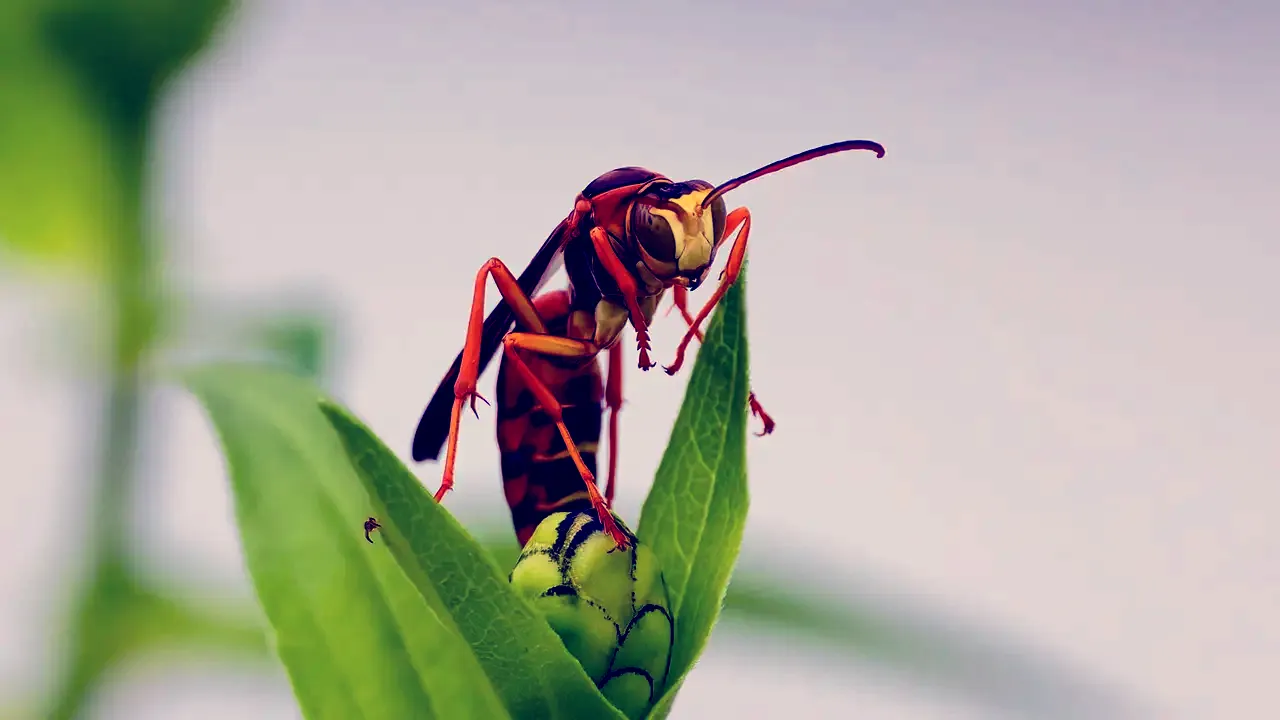
Appearance and nest material can offer clues, but the provider should confirm identification without requiring you to approach. Texas Apiary Inspection Service describes yellowjackets as hairless insects that do not carry pollen. Honey bees have a different appearance and wax comb. Honeybee work is excluded here: consult the TAIS beekeeper list, and do not spray chemicals into a hive.
The amount depends on the assessed insect, colony size, nest count and access, and is set by the independent provider. This website supplies no job figure. Ask whether the proposed amount includes treatment, removal and disposal of reachable inactive material and any return assessment. A concealed colony or closure of a building opening may involve separate arrangements. Obtain the scope in writing before authorizing the work.
Follow the provider's directions about where people and pets should remain during the work. The method, nest location and nearby entrances determine the restrictions at your address. Ask before the appointment when the affected space can be used again and who confirms that point. The referral line cannot supply a property-specific reopening instruction.
Yes, a fresh nest can form near an earlier site, so report new activity for assessment. AgriLife notes that paper-wasp queens may establish spring colonies in the same general location, whereas abandoned yellowjacket nests are not reused. The provider can distinguish the current observation from the previous work and explain whether any agreed return terms apply.
Discuss any remaining questions about your building’s nest, access and proposed work with the independent provider receiving your call.
Discuss your questionsCalling the listed number uses Ringba tracking and routing, and the conversation may be recorded. The independent provider receiving your call discusses the location and proposed assessment. Calls connect 6 a.m. to midnight Central Time (7 a.m. to 1 a.m. during daylight saving time). The LeadSmart form is available at all hours, with its own consent wording and privacy terms.